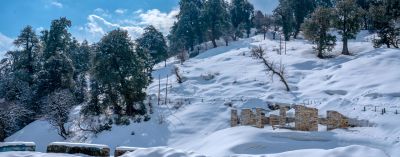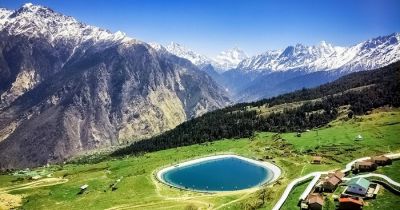
Gunji and Adi Kailash Route
If you are planning a high-altitude road journey in Uttarakhand, the Gunji and Adi Kailash route is one of the most rewarding choices you can make. This guide is for travellers who want to understand the route, the permits, the best season, realistic costs, and what the journey feels like on the ground before they book anything.
You will find practical advice here on how to reach Gunji, how the Adi Kailash side trip usually works, how many days to keep aside, and what to expect from the roads, weather, and facilities in this remote part of Kumaon. The aim is simple: help you plan smartly and avoid last-minute surprises.
Why the Gunji and Adi Kailash route matters
Gunji is a key halt point on the road towards the Dharchula sector in Pithoragarh district, and it often becomes the base for travellers heading towards Adi Kailash and nearby sacred Himalayan landscapes. The route is important not only for pilgrims, but also for people who want to experience one of the most dramatic border-region drives in Uttarakhand.
Unlike more crowded hill destinations in the state, this route feels remote, disciplined, and weather-dependent. You are not just planning a holiday; you are planning for altitude, army-managed road conditions, limited accommodation, and flexible schedules. That is exactly why good preparation makes such a difference here.
Where Gunji fits into the Adi Kailash journey
Gunji is typically reached after Dharchula on the way toward the high border belt of Kumaon. From there, the road network becomes narrower, more sensitive to weather, and subject to local movement restrictions and permits. In many itineraries, travellers overnight in or around Gunji before continuing toward the Adi Kailash region the next day.
Most journeys to Adi Kailash are not point-to-point drives. They are multi-stop road trips with check-posts, acclimatisation needs, and short walking sections at certain points depending on current road access and local regulations. Because conditions can change from one season to another, it is wise to treat any online route map as indicative and confirm details locally before you travel.
Best time to travel on the Gunji and Adi Kailash route
The most suitable travel window is usually from late spring to early autumn, roughly May to June and then September to early October. These months generally offer better road conditions, clearer mountain views, and a lower chance of continuous rain or early snow-related disruptions.
July and August can be risky because monsoon rain may trigger landslides, road closures, and long delays in the Pithoragarh-Dharchula belt. By late October and through winter, conditions can become too harsh for a comfortable trip, and access may be limited depending on snowfall and administrative decisions. Always confirm current access rules before finalising your dates.
What weather to expect
Daytime temperatures in the travel season can feel pleasant in lower stretches such as Dharchula, but nights in Gunji and beyond can get cold quickly. Even in summer, you should carry a warm jacket, gloves, a woollen cap, and layers that you can add or remove easily. At higher altitude, sun exposure is strong during the day, so sunglasses and sunscreen are useful too.
How to reach Gunji from major Uttarakhand entry points
The most common access route is via Pithoragarh or Dharchula. If you are coming from Delhi, many travellers first reach Tanakpur or Kathgodam by train or road, then continue by taxi or shared vehicle towards Pithoragarh and Dharchula. The road journey from Kathgodam to Dharchula can take a full day or more depending on traffic and halts, so do not try to rush this stretch.
From Delhi, a practical plan is usually to break the trip into multiple legs: Delhi to Kathgodam or Tanakpur, then onward to Pithoragarh or Dharchula, and finally to Gunji. Road distance and timing can vary significantly with route choice, roadworks, and weather, so treat any exact timing you hear as approximate.
| Common leg | Approximate time | Notes |
|---|---|---|
| Kathgodam to Pithoragarh | 8-11 hours | Mountain roads, early start recommended |
| Pithoragarh to Dharchula | 3-5 hours | Scenic but slow in places |
| Dharchula to Gunji | Several hours, depending on road conditions | Access may involve controls and scheduled movement |
Permits, check-posts, and travel rules
This is one part of the trip where you should be extra careful. The Gunji and Adi Kailash route falls in a sensitive border zone, and travel rules can change based on administration, security needs, and seasonal conditions. In many cases, Indian travellers need to carry valid government ID and may need permits or registration arranged through authorised channels before proceeding beyond certain points.
Do not assume that you can simply drive up on your own and continue without checks. Confirm the current permit process with local authorities, your tour operator, or your hotel in Dharchula before travel. If you are booking through a package, make sure the operator clearly states who handles permits, what documents are needed, and whether your vehicle and driver are cleared for the route.
Keep multiple photocopies and digital copies of your ID, passport-size photos if asked, and any permit papers you receive. For a route like this, having your documents organised saves time at check-posts and avoids unnecessary stress.
What the journey is like: road, altitude, and comfort
The biggest challenge on this route is not distance alone; it is the combination of altitude gain, narrow roads, and limited services. You may have smooth stretches, then suddenly long slow sections where road widening, landslide debris, or traffic control causes delays. Build buffer time into your plan and avoid arranging your return too tightly.
Altitude is another serious factor. Gunji and the adjoining high stretches are not places to ignore acclimatisation. If you move too quickly from the lower valleys, you may feel headache, nausea, tiredness, or breathlessness. Travel slowly, drink enough water, avoid alcohol, and do not overexert yourself on arrival.
Facilities en route
Do not expect city-style convenience. ATMs can be unreliable beyond the larger towns, mobile coverage may be patchy, and fuel stations are limited. It is better to withdraw cash in Pithoragarh or Dharchula, top up fuel before heading upward, and carry power banks for your phone and camera.
Food options are generally basic and local. You will find simple meals such as dal, rice, roti, vegetables, and tea. Carry a few personal snacks, especially if you travel with children or if you are sensitive to long gaps between meals.
Suggested itinerary for the Gunji and Adi Kailash route
A comfortable plan usually needs 4 to 7 days, depending on your starting point and how much buffer you want for weather and permits. If you are coming from Delhi, anything shorter than four days often feels rushed.
- Day 1: Reach Kathgodam or Tanakpur, then move toward Pithoragarh if time allows.
- Day 2: Travel to Dharchula and stay overnight.
- Day 3: Proceed to Gunji or the designated halt point, depending on access and permits.
- Day 4: Visit Adi Kailash side points as allowed by current rules, then return to Gunji or Dharchula.
- Day 5-6: Spare days for weather delays, rest, and the return journey.
Some travellers add local sightseeing in and around Pithoragarh, Dharchula, or the Kali river valley. That can be a good idea if you want a more relaxed pace and if your permit window is flexible.
Where to stay and what budget to expect
Accommodation on this route ranges from simple guesthouses and local lodges to basic tour arrangements with meal plans. In Dharchula, you may find more choice and slightly better comfort than in higher stretches. In Gunji and other remote halt areas, availability can be limited, so booking ahead is strongly advisable in the travel season.
For budgeting, a realistic estimate for a mid-range road journey from Kathgodam/Pithoragarh side could look like this:
- Guesthouse or lodge: ?1,200-?3,500 per night
- Better hotel in lower towns: ?2,500-?5,500 per night
- Shared or private transport: highly variable, often ?8,000-?25,000+ for longer multi-day arrangements depending on vehicle type and route
- Meals: ?250-?700 per person per day in simple settings
- Permits and local handling: depends on current rules and operator structure
If you book a packaged tour to Adi Kailash, total costs can vary widely based on season, group size, inclusions, and the kind of vehicle used. Ask specifically about transport, food, stay, guide support, permits, and any local fees so you can compare fairly. Prices and access rules can change, so always confirm before paying an advance.
Packing list for this high-altitude route
Pack light, but pack wisely. A small bag is easier to handle on mountain roads, and overpacking only makes movement more difficult.
- Warm layers, even in summer
- Windproof jacket and cap
- Comfortable walking shoes with grip
- Personal medicines and basic first-aid items
- Water bottle and ORS
- Snacks for long road stretches
- Power bank and charging cable
- Government ID and copies of permits
- Sunglasses, sunscreen, and lip balm
- Cash in small denominations
If you are travelling with elderly family members or children, speak to your doctor beforehand, especially if anyone has heart, respiratory, or altitude-related issues. This is not the route to test your fitness casually.
Frequently Asked Questions
Is Gunji the same as Adi Kailash?
No, Gunji is a stop or base point on the route, while Adi Kailash is the sacred mountain region people travel to see. Gunji is important because it often serves as an overnight halt before continuing farther. In many itineraries, it is one of the last practical bases before the higher stretches.
How many days do I need for the Gunji and Adi Kailash route?
A minimum of 4 days is usually needed if you are starting from the lower Kumaon side, but 5 to 7 days is more comfortable. That gives you time for road travel, acclimatisation, permits, and possible weather delays. If you are coming from Delhi, adding an extra buffer day is smart.
Do I need a permit to visit Adi Kailash?
In many cases, yes, because this is a border-sensitive region. Permit and movement rules may change, and they can depend on your nationality, travel route, and current local regulations. Check with official or authorised local sources before you book your trip.
Is the road suitable for self-drive?
Self-drive is not ideal for everyone on this route. The roads can be narrow, slow, and affected by weather, and local restrictions may apply in sensitive stretches. A local driver who understands the route is often the safer and more practical choice.
What is the best month to go?
May, June, September, and early October are usually the best windows. These months tend to offer better road conditions and a lower chance of prolonged weather disruption than the monsoon season. Still, confirm conditions close to your travel date.
Can senior citizens travel on this route?
Some senior travellers do make this journey, but only if they are reasonably fit and their doctor has cleared them for high altitude. The trip should be slower, with shorter driving days and more rest. It is important to watch for altitude symptoms and not push through discomfort.
Conclusion
The Gunji and Adi Kailash route is one of Uttarakhand’s most meaningful mountain journeys, but it rewards careful planning more than impulsive travel. If you choose the right season, keep your itinerary realistic, and confirm permits and road access before departure, the journey can be memorable for the right reasons.
If this guide helped you plan better, please share this post with fellow travellers who are considering Uttarakhand’s Adi Kailash route.
Disclaimer : The information provided in this blog is for general informational purposes only. While we strive to keep the content accurate and updated, TravelSetu assumes no liability for errors or omissions. If you believe any part of this blog infringes your rights or causes concern, please notify us immediately at info[at]travelsetu[dot]com so that appropriate action can be taken.