Gwaldam and Kumaon Garhwal Border
If you are planning a slow Uttarakhand trip and want a place that gives you pine forests, village life, mountain views and an easy feel of both Kumaon and Garhwal, Gwaldam deserves your attention. This small hill town sits right on the border zone between the two regions, making it a smart base for travellers who want to explore without rushing from one crowded hotspot to another.
In this guide, you will find what Gwaldam is known for, how to reach it, the best time to go, where to stay, what nearby places to add, and practical tips that will help you plan a smooth trip across the Kumaon-Garhwal border belt.
Why Gwaldam Works So Well for a Uttarakhand Trip
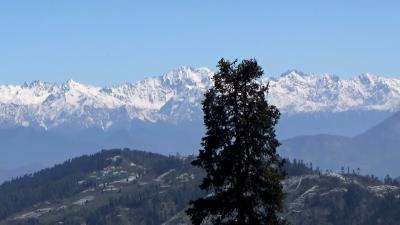
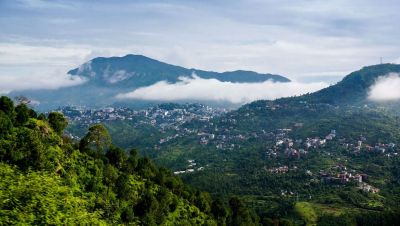
Gwaldam is one of those places that many travellers pass by on the way to bigger names, yet it rewards those who stop. It sits at a useful junction between the Kumaon side and the Garhwal side of Uttarakhand, so you can use it as a base for scenic drives, short treks, and day trips into both regions. The atmosphere is quiet, with forests, terraced fields and views of the higher Himalayan ranges on clear days.
For Indian travellers who want a mountain break without the crowds of more commercial hill stations, Gwaldam offers a balanced experience. It is especially suitable if you like road trips, village walks, birdwatching, photography, and tea-sipping mornings with mountain air. The town is also a good stop for those travelling between Ranikhet, Kausani, Bageshwar, Chaukori, Karnaprayag and the wider Garhwal road network.
Where Exactly Is Gwaldam?
Gwaldam lies in Chamoli district on the Garhwal side, close to the border with Kumaon. Depending on your route, you may approach it from Kausani, Bageshwar, Almora side roads, or from Karnaprayag and the Garhwal interior. This location is what gives the region its mixed character: the landscapes feel familiar to Kumaon in some stretches and distinctly Garhwali in others.
The roads here are mountain roads, so travel time can be longer than the map suggests. From Kausani, the drive is roughly 2.5 to 3.5 hours depending on road and stops. From Karnaprayag, expect about 2 to 3 hours. Distances may look short, but curves, traffic, and weather can slow things down, especially during the monsoon or after landslides. Always check local road conditions before starting.
Best Time to Visit Gwaldam and the Border Region
The best months for Gwaldam are usually March to June and October to early December. Spring brings pleasant days, flowering trees and fresh visibility, while autumn and early winter often reward you with crisp air and clearer mountain views. These months are best if you want to walk around comfortably and enjoy the scenery without too much rain or fog.
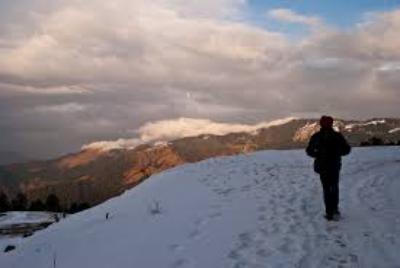
July to September is the monsoon season, and the roads in hill districts can be affected by landslides, waterlogging and sudden delays. If you are travelling in this period, keep buffer time, avoid night driving, and confirm road status with your driver or hotel. January and February can be cold, and some stretches may get icy in the early morning and evening. For many travellers, this is a peaceful time, but it is better suited to those who are comfortable with winter mountain conditions.
| Season | What to Expect | Travel Tip |
|---|---|---|
| March to June | Mild weather, green slopes, good visibility | Best for sightseeing and easy walks |
| July to September | Heavy rain, slippery roads, landslide risk | Travel with flexibility and avoid late drives |
| October to early December | Clear skies, cool air, strong mountain views | Excellent for photography and road trips |
| January to February | Cold mornings and evenings, possible frost | Carry warm layers and confirm heating at stay options |
How to Reach Gwaldam
The easiest way to reach Gwaldam is by road. If you are coming from outside Uttarakhand, the nearest major railheads are Kathgodam and sometimes Rishikesh depending on your route, but in practical terms most travellers use a taxi or self-drive from a nearby hill town. From Delhi, many travellers first reach Kathgodam or Kathgodam-Haldwani belt by train, then continue by road into Kumaon and on toward Gwaldam.
If you prefer a direct road trip, the route often passes through Almora, Kausani, Garur, Bageshwar or through Rudraprayag-Karnaprayag depending on your plan. Bus services in these hill belts are limited and not always convenient for a first-time visitor, so a private taxi or self-drive is usually the most comfortable option. Shared jeeps may be available on local stretches, but schedules can change.
For travellers flying in, the nearest airport commonly used is Pantnagar, but the onward mountain drive is long and needs planning. Dehradun airport is another option if your route is more Garhwal-heavy, though it is less convenient for the Kumaon side. In either case, expect several hours on the road after landing.
What to Do in and Around Gwaldam
Slow village walks and forest views
Gwaldam is best experienced at a slow pace. Walk through local lanes, pause near tea shops, and notice the terraced farms and pine-dominated slopes around the town. If you enjoy quiet travel, this is the kind of place where a 2-km walk can become the highlight of your day simply because the setting is so peaceful.
Day trips into Kumaon and Garhwal
The biggest advantage of staying here is the access to both sides of the border region. You can plan a day trip toward Kausani for wide Himalayan views, or head toward Bageshwar for temple town energy and riverside scenes. On the Garhwal side, drives toward Karnaprayag and nearby mountain settlements give you a very different feel, with confluences, river valleys and older trade-route character.
Short treks and nature outings
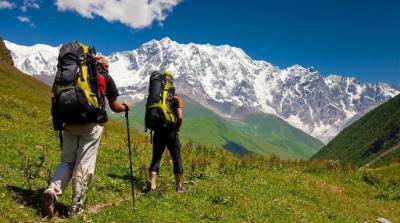
The Gwaldam area is also suitable for short hikes, especially if you want to stretch your legs without committing to a difficult trek. Ask locally about the current trail conditions, as village paths and forest routes can change with the season. A guided walk is a good idea if you want to combine viewpoints, birdwatching and local stories from the area.
Photography and sunrise stops
Clear mornings are one of Gwaldam’s biggest strengths. If the weather is good, start early and keep your camera ready for mountain ridges, valley layers and changing light. The border region can surprise you with very different moods across the day: bright and open in the morning, misty by afternoon, and cool and still after sunset.
Nearby Places You Can Add to Your Itinerary
If you have 3 to 5 days, it makes sense to combine Gwaldam with nearby hill towns rather than keeping it as a standalone stop. Kausani is a popular pairing for broad Himalayan views and a more established tourist setup. Bageshwar offers a spiritual and riverside angle, while Chaukori can work well if you want peaceful forest scenery and tea gardens on the Kumaon side.
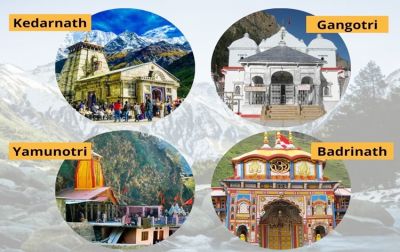
On the Garhwal side, Karnaprayag is useful as a transit and exploration point. If you are building a longer Uttarakhand circuit, you can also connect toward Rudraprayag, Joshimath or even the Char Dham route depending on the season and your travel purpose. Just remember that mountain driving takes longer than it seems, so keep your itinerary realistic.
Where to Stay and What It May Cost
Accommodation around Gwaldam is usually simple and functional, with guesthouses, homestays and a few small hotels. Expect fewer luxury options than in larger hill stations. A decent homestay or basic hotel room may cost around ?1,500-?3,500 per night, while better-view rooms or more comfortable stays can range from ?3,500-?6,000 per night. Prices may rise in peak season and during long weekends, so confirm in advance.
If you prefer a more local experience, choose a homestay where you can eat home-style meals and ask about nearby walks, road conditions and village life. This can make your trip feel much more personal and can also be helpful if you are travelling with elders or want local guidance for short excursions.
What to Eat in the Region
Food in the Gwaldam belt is simple, warm and satisfying. You will usually find Indian meals such as dal, rice, roti, seasonal vegetables, parathas, maggi, tea and omelette-type breakfasts in most small stays and roadside eateries. If you are staying at a homestay, you may also get local Kumaoni or Garhwali-style meals depending on the host family.
Do not expect a large café scene or wide restaurant variety. Instead, enjoy what is available and plan meals around travel timings. Carry some dry snacks, especially if you are doing longer day trips between towns where options can be limited in the afternoon or evening.
Practical Tips for a Smooth Trip
- Carry cash, because small outlets may not always have reliable digital payment connectivity.
- Keep warm layers even in summer, as evenings can get chilly in the hills.
- Check road conditions before travelling, especially during and after monsoon rains.
- Start day trips early so you do not end up driving after dark on mountain roads.
- Book stays in advance during April-June, October and long holiday weekends.
- If you are self-driving, keep your vehicle in good condition and avoid pushing through fog or rain at speed.
It is also wise to carry basic medicines, a power bank, water, and a small torch. Mobile network can be patchy in some stretches, so download maps and hotel details before leaving a stronger signal area.
Frequently Asked Questions
Is Gwaldam good for a family trip?
Yes, Gwaldam can work very well for families who enjoy quiet mountain destinations. It is not a place for heavy sightseeing schedules, but it is ideal for relaxed days, short walks and scenic drives. If you are travelling with children or older parents, keep the itinerary light and choose a comfortable stay with reliable heating and meals.
How many days are enough for Gwaldam?
Two nights is a good starting point if you want to explore the town and do one or two nearby drives. If you want to combine Gwaldam with Kausani, Bageshwar or Karnaprayag, plan for 3 to 5 days. The destination works best when you avoid rushing.
Is Gwaldam better for Kumaon or Garhwal exploration?
It suits both, which is exactly why it stands out. On one side, you can move into Kumaon-style hill towns and on the other, toward Garhwal-side river valleys and temple routes. If your aim is to experience the transition between the two regions, Gwaldam is a very sensible base.
Can I visit Gwaldam during the monsoon?
You can, but it requires caution. Roads in Uttarakhand can be affected by rain, landslides and delays during July to September, so you should build extra time into your plan and avoid risky night driving. If you are flexible and monitor road updates, the monsoon landscape can still be beautiful.
What kind of traveller will enjoy Gwaldam the most?
Travellers who enjoy quiet scenery, local stays, road trips and unhurried days will probably like Gwaldam the most. It is less suited to those looking for shopping, nightlife or a packed tourist circuit. If you prefer authentic hill atmosphere over commercial crowds, this is a strong fit.
Do I need to pre-book hotels in Gwaldam?
It is a good idea, especially in peak travel months and around holidays. The number of good properties is limited compared with bigger tourist centres, so last-minute availability may be uncertain. Booking ahead also helps if you need family rooms, parking or meals included.
Final Thoughts
Gwaldam and the Kumaon-Garhwal border region offer a slower, quieter side of Uttarakhand that many travellers miss on their first trip. If you want mountain views, useful road connections and a base that lets you explore both cultural regions with ease, this area is worth adding to your plan. Keep your schedule flexible, travel with realistic road-time expectations, and let the journey be part of the experience.
If this guide helped you plan your Uttarakhand trip, share this post with someone who is looking for a peaceful mountain escape.
Disclaimer : The information provided in this blog is for general informational purposes only. While we strive to keep the content accurate and updated, TravelSetu assumes no liability for errors or omissions. If you believe any part of this blog infringes your rights or causes concern, please notify us immediately at info[at]travelsetu[dot]com so that appropriate action can be taken.