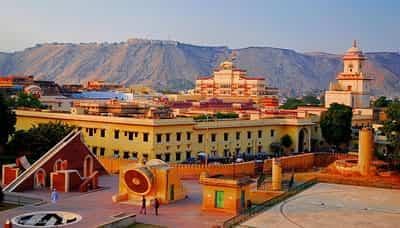
If you are planning a short Rajasthan trip and want something more relaxed than a fort-hopping sprint, a heritage walk in Jhunjhunu town is a smart choice. This old Shekhawati town gives you painted havelis, street-side temples, old markets, and local stories in one walkable circuit, so you come away with a real feel for eastern Rajasthan rather than just a checklist of sights.
This guide is for travellers who want to explore Jhunjhunu on foot, understand what to see, how long to spend, where to start, and how to make the most of a half-day or full-day visit. If you enjoy history, architecture, photography, and slow travel, Jhunjhunu rewards careful looking.
Why Jhunjhunu is ideal for a heritage walk
Jhunjhunu sits in the Shekhawati region of Rajasthan, around 190-210 km from Jaipur depending on your route, and roughly 170-190 km from Bikaner side towns. It is best known for its painted havelis, cenotaphs, temples, and narrow lanes lined with fading frescoes. Unlike larger tourist centres, the town still feels lived-in, which makes the walk feel authentic rather than staged.
The real appeal lies in the details. You will see European-style facades, Rajasthani motifs, old merchant homes, courtyards, jharokhas, and wall paintings that mix local legends with scenes of railways, cars, and colonial life. Many buildings date to the 18th and 19th centuries, when wealthy trader families invested in showy homes to display status and devotion.
Best time to plan your walk
The best months for walking in Jhunjhunu are October to March, when daytime temperatures are comfortable and you can move through the lanes without the heat wearing you down. Early morning, from about 7:00 am to 10:00 am, is the nicest time for photography and for seeing the town before traffic builds up. Late afternoon, after 4:00 pm, is also pleasant in the cooler season.
Avoid the peak summer hours from April to June, when the heat can be punishing. If you must travel then, keep the walk short, carry water, and focus on indoor stops or shaded areas. Monsoon months can be okay for travel, but some streets may be muddy and the light can be patchy for photos.
How to reach Jhunjhunu town
Jhunjhunu is well connected by road and can be visited as a day trip or overnight stop. From Jaipur, the drive usually takes around 4 to 5 hours, depending on traffic and the route you choose. From Delhi, expect about 6 to 7.5 hours by road. The town also has rail connections, though schedules vary, so check current timings before finalising your plan.
If you are booking a private cab, budget roughly Rs.3,500-Rs.6,500 for a one-way trip from Jaipur depending on vehicle type and season. For travellers coming from Delhi, private transfers can be significantly higher. State and private buses are a more economical choice, usually ranging from Rs.300-Rs.800 per seat depending on class and operator.
Once in town, many of the heritage spots are close enough to cover on foot or with a short auto-rickshaw ride. That is part of the charm: you do not need a complicated transport plan once you arrive.
A practical route for a Jhunjhunu heritage walk
A good walking circuit can be done in 2.5 to 4 hours if you keep a steady pace and stop for photos. Add more time if you want to linger at frescoed havelis, browse the bazaar, or visit temples and stepwells in detail. Start early if possible, and wear comfortable shoes with good grip, because some streets are uneven.
1. Start with the old market lanes
Begin near the traditional market area to get a sense of the town’s rhythm. The bazaars are a useful introduction because they show how the historic core still works as a living commercial space. You will see old shopfronts, repair stores, sweet shops, textile sellers, and local daily-life scenes that anchor the heritage in the present.
2. Move on to the haveli clusters
The painted havelis are the main draw. Some are better preserved than others, but even weathered walls can be rewarding because the fading adds character. Look for floral borders, mythological scenes, elephants, horses, hunting scenes, and painted ceilings. In Shekhawati, the artistry is often on the exterior, so you do not always need to enter a building to appreciate it.
Among the notable names in Jhunjhunu, many travellers seek out historic merchant homes such as Khetri Haveli, Kaniram Narsinghdas Tibrewala Haveli, and other family mansions associated with wealthy trading communities. Access can vary, and some properties may be privately owned or only partly open, so do not assume every building is open to visitors. If a caretaker is present, ask politely before entering.
3. Visit Rani Sati Temple
Rani Sati Temple is one of Jhunjhunu’s best-known landmarks and an important pilgrimage site. Even if you are not on a religious trip, the temple complex is worth seeing for its scale, devotion, and marble work. Footwear rules and photography norms can vary, so follow local instructions and keep your visit respectful.
4. Add a few lesser-known street corners
Do not rush past the smaller lanes. Some of the best fresco fragments are on walls that do not make it into standard brochures. Pause at intersections, look up at second-storey balconies, and notice how motifs repeat from one haveli to another. Jhunjhunu is a place where the “in-between” spaces are as interesting as the headline sites.
What you will see on the walk
Jhunjhunu’s heritage is not only about one style of building. It combines merchant architecture, religious spaces, memorial structures, and everyday streetscape details. If you know what to look for, the walk becomes much richer.
- Frescoes: painted panels showing deities, processions, British-era figures, trains, and social scenes
- Havelis: large merchant mansions with courtyards, carved doors, and decorative balconies
- Temples: both old neighbourhood shrines and major pilgrimage complexes
- Chhatris and memorials: cenotaphs that reflect local aristocratic and family traditions
- Markets: active bazaars that preserve the town’s everyday character
Some frescoes will appear freshly restored, while others may be peeling or faded. Both are valuable. The weathering tells you how old the town is and how much effort is needed to keep these works alive. A heritage walk here is less about polished monuments and more about layers of time.
Suggested half-day and full-day plans
If you are short on time, a half-day visit works well. If you like architecture or photography, a full day gives you space to slow down and explore more thoughtfully. Below is a simple way to structure your visit.
| Plan | Time needed | Best for | What to include |
|---|---|---|---|
| Half-day walk | 3-4 hours | Day-trippers and casual visitors | Old market, main haveli lanes, one temple stop, tea break |
| Full-day visit | 6-8 hours | History lovers and photographers | Havelis, Rani Sati Temple, lunch, slower lane exploration, repeat photo stops in good light |
A full-day plan lets you return to the same streets at different times of day. Morning light brings out the fresco colours, while late afternoon gives better texture and softer shadows. If you are serious about photography, that extra time is worth it.
Food, tea stops, and rest breaks
Keep the walk human-sized. You will enjoy Jhunjhunu more if you pause for tea, snacks, and a proper lunch instead of trying to tick off every lane in one go. Local eateries usually serve kachori, samosa, poha, dal baati at some places, simple thalis, and sweets. A basic meal may cost around Rs.120-Rs.300 per person, while a more comfortable restaurant lunch could be Rs.300-Rs.600.
Carry bottled water, especially in warmer months. A small bottle of cold drinks or lemon soda from a local shop can be helpful midway through the route. If you are travelling with elders, build in longer breaks because shade is limited in some stretches.
Where to stay if you want an overnight heritage trip
Jhunjhunu works well as a one-night stop on a Shekhawati circuit. If you stay overnight, you can see the town in softer light and move more slowly. Hotel options range from budget lodges to heritage-style stays, with typical prices starting around Rs.1,200-Rs.2,500 per night for basic hotels and Rs.3,000-Rs.7,000 or more for better boutique or heritage properties, depending on season and availability.
If you are combining Jhunjhunu with nearby Shekhawati towns such as Mandawa, Nawalgarh, or Fatehpur, an overnight stay becomes even more useful. It reduces rushing and lets you plan the walk at a calm pace.
Tips to make the walk easier and better
- Start early in the day to avoid heat and traffic.
- Wear closed walking shoes or sturdy sandals with grip.
- Carry cash in small notes for tea, autos, and local purchases.
- Ask before photographing people, shop interiors, or private homes.
- Do not touch painted walls or frescoes, even if they look fragile.
- Check opening hours for temples and private havelis before you go.
- Book transport and accommodation in advance during winter weekends and festival periods.
It also helps to hire a local guide if you want deeper context. A knowledgeable guide can point out family histories, symbolic motifs, and stories that are easy to miss on your own. Indicative guide fees may start around Rs.800-Rs.2,000 for a short heritage walk, though prices vary by season and language requirements.
Frequently Asked Questions
How much time do I need for a Jhunjhunu heritage walk?
For a basic walk through the main heritage lanes, plan 2.5 to 4 hours. If you want to include temple visits, longer photo stops, and a relaxed meal, keep half a day aside. A full day is ideal if you like exploring in detail.
Is Jhunjhunu better as a day trip or overnight stay?
Both options work. A day trip is fine if you are short on time, especially from nearby Shekhawati towns or Jaipur. An overnight stay is better if you want to enjoy the streets in the morning and avoid rushing through the frescoes.
Are the havelis open to visitors?
Some are partially open, some are privately owned, and some are best viewed from outside. Access can change depending on the family, caretaker availability, or restoration work. Always ask politely before entering any private property.
What should I wear for the walk?
Light cotton clothing is best for most of the year, along with comfortable walking shoes. If you plan to enter temples, dress modestly and carry a scarf or dupatta if useful. In winter mornings, a light jacket helps because the air can be cool.
Can I take photos everywhere?
No, not everywhere. Exterior architecture and street scenes are generally fine, but always ask before photographing people, temple interiors, or private courtyards. Some temples and homes may have specific no-photography rules, so follow the local signs and instructions.
Is Jhunjhunu safe for solo travellers?
Jhunjhunu is generally manageable for solo travellers who use common sense, stay on main routes, and keep valuables secure. Start your walk in daylight, let someone know your plan, and avoid isolated lanes after dark. If you are unsure, a local guide or driver can make the visit easier.
Final thoughts
A heritage walk in Jhunjhunu town is one of the best ways to experience Rajasthan beyond the famous palaces and desert circuits. It is a place where architecture, trade history, and daily life still sit side by side, and that gives your visit a grounded, local feel. If you slow down, look up, and follow the old lanes with curiosity, Jhunjhunu will give you far more than a quick sightseeing stop.
If this guide helped you plan your trip, share it with someone who is thinking about a Rajasthan heritage holiday.
Planning a Rajasthan trip?
Tell us your dates and who is travelling. Up to three local travel companies send you their itinerary and price.
Get free quotesDisclaimer: The information in this blog is for general information only. We try to keep it accurate and up to date, but TravelSetu accepts no liability for errors or omissions. If you believe any part of it infringes your rights, please write to info@travelsetu.com.