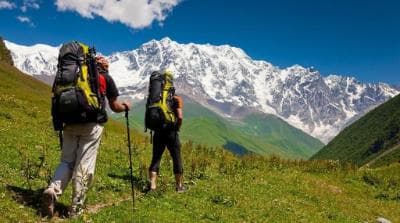
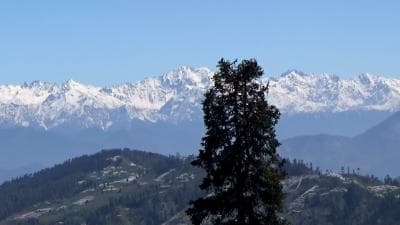
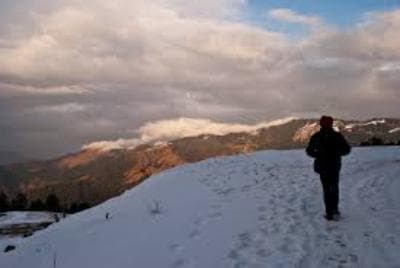
If you are planning a serious mountain trip in Uttarakhand and want something quieter than the usual hill-station circuit, Jolingkong and Parvati Kund deserve your attention. This route in the Kumaon region is for travellers who want high-altitude scenery, sacred geography, village life, and a journey that feels remote without being impossible to plan.
In this guide, you will find what Jolingkong and Parvati Kund are like, how to reach them, when to go, what to expect on the road, where to stay, and how to plan safely for altitude and weather in this part of Uttarakhand.
Why Jolingkong and Parvati Kund draw so many Uttarakhand travellers
Jolingkong is a tiny high-altitude settlement in the Pithoragarh district, best known as part of the route to Adi Kailash and nearby sacred sites. Parvati Kund, a small glacial lake or kund in the same broader region, is associated with devotion, mountain stillness, and dramatic views that feel very different from the busier Char Dham routes. For many Indian travellers, this is the kind of journey that combines pilgrimage, adventure, and long-distance road travel in one trip.
What makes the area special is not luxury or fast sightseeing. It is the gradual change in landscape as you move from green valleys to stark, wind-shaped highlands, with villages, river crossings, and military-controlled stretches along the way. If you enjoy road journeys in Uttarakhand more than fixed-point sightseeing, this route can be deeply satisfying.
Where Jolingkong and Parvati Kund are located
Jolingkong lies in the far eastern reaches of Uttarakhand, in the Kumaon region near the Indo-Tibet border zone. Parvati Kund is visited as part of the same high-altitude circuit, usually during the Adi Kailash pilgrimage route. The area is not a day-trip destination from mainstream hill stations like Nainital or Mussoorie; it needs proper planning and several days on the road.
From a practical point of view, you should think of this as a remote Himalayan journey, not a conventional hill holiday. Roads can be narrow, weather can shift quickly, and some stretches may be affected by landslides, army movement, or local restrictions. Because of that, confirm the latest travel conditions before you depart.
How to reach Jolingkong and Parvati Kund from Uttarakhand gateways
Typical route through Pithoragarh and Dharchula
Most travellers begin by reaching Pithoragarh, which is the main hill-town base for this region. From there, the route generally moves through Dharchula and onward into the higher border valleys. Dharchula is a useful halt point because you can arrange permits, check vehicle availability, and prepare for the remote leg of the journey.
Distances and drive times vary a lot by road condition, but you should expect long mountain days. As a rough planning estimate, Pithoragarh to Dharchula can take several hours, and Dharchula to the higher areas can take much longer, especially if stops, weather, or roadwork slow you down. Do not plan this as a rushed overnight sprint.
Nearest rail and air connections
The nearest practical railway access is usually via Tanakpur or other railheads connected to the Kumaon side, followed by a road journey upward. For air travel, Pantnagar Airport is the commonly used option for Kumaon-bound travellers, though it still leaves you with many hours by road. In both cases, the final leg is by taxi, shared jeep, or pre-arranged tour vehicle.
If you are coming from Delhi, it is common to break the journey with one overnight stop in Kumaon before continuing deeper into the mountains. That makes the trip more manageable and reduces the risk of altitude fatigue.
Best time to visit Jolingkong and Parvati Kund
The best time is usually during the more stable weather windows, often May to June and September to October. These months generally offer better road conditions, clearer mountain views, and a lower chance of heavy rain or early snow. Even then, weather in high Uttarakhand can change quickly, so carry warm layers regardless of season.
Monsoon months can be challenging because landslides and road closures are more common in Kumaon’s mountain stretches. Winter brings cold conditions, possible snow, and limited accessibility in higher areas. If your trip is centred on comfort as much as devotion, avoid the harshest winter period.
| Season | What to expect | Travel comfort |
|---|---|---|
| May to June | Clear views, relatively easier roads, pleasant daytime weather | Good |
| July to August | Rain, landslide risk, unpredictable roadblocks | Poor to fair |
| September to October | Sharp skies, stable weather, excellent mountain visibility | Very good |
| November to March | Cold, possible snow, limited access in high stretches | Challenging |
What the journey feels like on the ground
One of the biggest surprises for first-time travellers is how much the journey itself matters. You pass through river valleys, changing forest belts, small settlements, and long stretches where the road seems to cling to the mountain. In the higher areas, the landscape becomes more bare and austere, which is part of the appeal.
At Jolingkong, the feeling is usually peaceful and remote rather than busy and commercial. Parvati Kund adds a spiritual layer to the journey, especially for travellers who connect with Himalayan pilgrimage traditions. If you are expecting cafés, souvenir lanes, and frequent convenience stops, this route will feel very different. That simplicity is exactly why many people remember it so strongly.
Permits, local rules, and practical bookings
Because this is a border-sensitive region in Uttarakhand, you may need permits or ID checks depending on current rules, nationality, route, and travel date. Indian travellers should carry original government ID such as Aadhaar, voter ID, passport, or driving licence, and keep photocopies or digital copies as backup. The process can change, so confirm the latest requirements with local authorities, your hotel, or your travel operator before finalising the trip.
For vehicles, it is safer to use a local taxi or an operator familiar with the route. Road access, restricted stretches, and local movement rules are easier to manage with someone who knows the terrain. If you are booking as part of a package, ask exactly what is included: permits, meals, transport type, and overnight stays.
Where to stay and what a realistic budget looks like
Accommodation near the route is usually simple, practical, and limited. In base towns like Pithoragarh and Dharchula, you may find hotels, guesthouses, and basic lodges. On the higher route, stays may be homestays, simple camps, or government-supported facilities depending on what is operational at the time of travel.
For a comfortable budget estimate, consider the following ranges as indicative only: ?1,200-?2,500 per night for basic lodges or guesthouses, ?2,500-?5,000 per night for better hotel rooms in base towns, and more if you are booking a package that includes transport, meals, permits, and specialised support. A full multi-day trip for one traveller can easily move into the ?12,000-?30,000+ range depending on route, season, and comfort level.
Food on this route is usually simple North Indian fare, with tea, dal, rice, roti, vegetables, and packaged snacks. Carry your own dry fruits, glucose, and a reusable water bottle, especially for long road segments.
Health, altitude, and packing advice
This is an altitude-sensitive trip, so do not treat it like a normal Uttarakhand weekend plan. Take it slow, hydrate well, and avoid making a steep ascent immediately after a sleepless overnight drive if you can help it. If you have a history of breathing issues, heart conditions, or severe motion sickness, speak to a doctor before travelling.
Useful packing items include:
- Warm layers, gloves, cap, and a windproof jacket
- Comfortable walking shoes with grip
- Medicines prescribed by your doctor and basic first aid
- Power bank, torch, and extra charging cable
- Snacks, dry fruits, ORS, and a refillable bottle
- Rain protection, even in the pre-monsoon months
Network coverage can be weak or patchy in remote stretches. Inform family members about your route and expected halts before leaving your base town.
How to plan the ideal itinerary
If you want to do this properly, give the trip at least 4 to 6 days. A shorter schedule can work only if your route and permits are sorted in advance, but a longer plan is more comfortable and safer.
- Day 1: Reach Pithoragarh or a nearby base town and rest.
- Day 2: Move to Dharchula and complete local formalities if needed.
- Day 3: Ascend toward the higher route, depending on road access and weather.
- Day 4: Visit Jolingkong and Parvati Kund area.
- Day 5: Return toward the base town with an overnight stop if needed.
- Day 6: Leave for your onward journey.
This pace gives you room for road delays, permit checks, and acclimatisation. In the mountains of Uttarakhand, a slower plan often becomes a better plan.
Frequently Asked Questions
Is Jolingkong suitable for first-time mountain travellers?
It can be, but only if you are comfortable with long road journeys, simple stays, and basic facilities. First-timers should go with an organised itinerary rather than trying to self-drive blindly. It is more demanding than a standard Kumaon holiday.
Do I need a special permit to visit Parvati Kund?
Permit requirements can change depending on current border-area rules and the exact route you use. Carry valid ID and confirm the latest instructions locally before you travel. Do not assume that previous season’s rules still apply.
How many days should I keep for this trip?
Keep at least 4 to 6 days if you want a relaxed experience. That allows for acclimatisation, road delays, and the possibility of weather-related changes. A tighter schedule may feel rushed and tiring.
Is there mobile network on this route?
Coverage is unreliable in many remote parts of the region. You may get intermittent signal in towns and little or none in higher stretches. Download offline maps and share your travel plan with family before heading out.
What kind of traveller will enjoy Jolingkong the most?
Travellers who enjoy mountain roads, spiritual journeys, quiet landscapes, and less-commercial destinations usually enjoy it most. It is also a good fit for people who want to experience a more remote side of Uttarakhand. If you prefer easy access and plenty of amenities, this may feel too rugged.
Can I include Jolingkong in a larger Uttarakhand trip?
Yes, but it works best as a dedicated Kumaon circuit rather than an add-on to a busy hill-station itinerary. You can combine it with Pithoragarh, Dharchula, and other Kumaon stops if time allows. Just keep the road distances realistic.
Conclusion
Jolingkong and Parvati Kund offer a side of Uttarakhand that is quiet, remote, and deeply memorable. If you plan carefully, keep your expectations practical, and give yourself enough days on the road, this journey can become one of the most meaningful trips you take in the Himalayas.
If you found this guide useful, please share the post with fellow travellers planning a Uttarakhand trip.
Planning a Uttarakhand trip?
Tell us your dates and who is travelling. Up to three local travel companies send you their itinerary and price.
Get free quotesDisclaimer: The information in this blog is for general information only. We try to keep it accurate and up to date, but TravelSetu accepts no liability for errors or omissions. If you believe any part of it infringes your rights, please write to info@travelsetu.com.