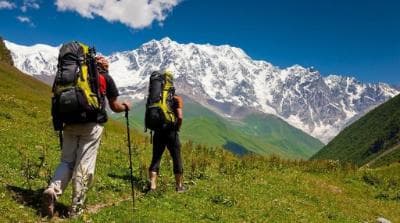
If you are planning a serious mountain trek in Uttarakhand and want something quieter than the usual weekend routes, Kagbhusandi Tal deserves a place on your shortlist. This high-altitude lake trek is for travellers who are comfortable with long walking days, changing mountain weather and basic camping conditions, and who want a route that feels remote even in a popular Himalayan state.
In this guide, you will get a practical overview of the route, the best time to go, approximate costs, what to pack, and the kind of fitness you need before signing up.
What Kagbhusandi Tal Is and Why Trekkers Go There
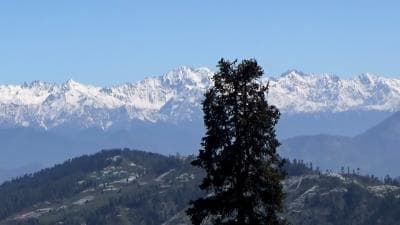
Kagbhusandi Tal is a glacial lake in the Garhwal Himalayas of Uttarakhand, usually discussed alongside the better-known treks in the Joshimath-Badrinath belt. The lake sits at high altitude, above the tree line, and the approach is steep enough to keep the trail rewarding rather than easy. For many trekkers, the appeal is not just the waterbody itself but the sense of isolation, open mountain views and the raw terrain around it.
This is not a casual picnic-style walk. The trail typically involves long climbs, exposed stretches, and weather that can change quickly. That is exactly why experienced trekkers like it: the route feels wild, less commercial and far more demanding than the popular day outings in Uttarakhand.
Where Kagbhusandi Tal Is Located
The trek lies in the Chamoli region of Uttarakhand, in the broader Himalayan corridor that includes Joshimath, Govindghat, Badrinath and the trail network leading into upper Garhwal. Depending on your exact route plan, your journey will usually start after reaching the roadhead around Joshimath or a nearby access point, followed by a long drive on mountain roads and then the trek itself.
From Dehradun, the road distance to Joshimath is roughly 290-320 km, and the drive can take 10-12 hours or more depending on traffic, landslides, and halt times. Many trekkers break the trip at Rudraprayag, Karnaprayag or Joshimath itself rather than trying to reach the trailhead in one push. If you are coming from Delhi, you should treat this as a multi-day journey, not a quick long weekend.
Best Time to Do the Trek
The most reliable trekking window is usually late spring to early summer, and again after the monsoon when the skies begin to clear. In practical terms, the best months are often May to June and September to early October. These are general planning months, though exact trail conditions can change from year to year because of snowfall, rain, and local terrain issues.
Season-by-season view
| Season | What to expect | Suitability |
|---|---|---|
| April to June | Snow patches at higher sections, clearer trails, cool mornings | Good for experienced trekkers with proper gear |
| July to August | Monsoon rain, slippery sections, landslide risk on access roads | Not recommended in most years |
| September to October | Stable skies, crisp views, colder nights | Best overall window for many trekkers |
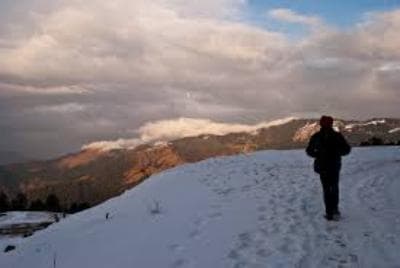
| November to March | Heavy snow, difficult access, very cold conditions | Usually unsuitable unless you have specific winter expertise |
Before finalising dates, check current weather, road status and local guidance. In the high Himalayas, even a week can make a big difference to safety and trail access.
How Difficult Is the Trek?
Kagbhusandi Tal is generally considered a challenging trek. You should be comfortable walking for 6-10 hours on some days, handling steep ascents and descents, and moving over uneven terrain. The altitude also matters: as you climb higher, breathing becomes harder and pace naturally slows down. If you are not used to mountain trekking, this is not the place to test yourself for the first time.
A good rule is that you should be able to hike 12-15 km on mixed terrain with a daypack before you attempt this route. Regular stair climbing, cardio and leg strength work help a lot. Trekkers coming from plains cities such as Delhi, Lucknow or Jaipur should also plan at least one acclimatisation day in the hills before the toughest section.
Typical Route Planning and Duration
Exact itineraries can vary by operator and by trail access, but most Kagbhusandi Tal plans are not short. You should expect a multi-day trek, often around 5 to 8 days including approach, acclimatisation and return. Some itineraries may be slightly shorter or longer depending on weather, camp placement and the fitness of the group.
A practical itinerary structure
- Drive to the roadhead: Reach Joshimath or a nearby access point via Rishikesh, Srinagar, Rudraprayag and Karnaprayag.
- Initial trek day: Move from the last motorable point to the first campsite, usually with a gradual or steep ascent depending on the route.
- Acclimatisation and approach: Spend time gaining altitude slowly so your body adjusts.
- Main lake approach: The toughest walking day is often the final push to the lake basin or viewpoint.
- Return: Descend carefully, with enough buffer for delays, rain or early snowfall.
Because local trail conditions can change, it is better to think in terms of route blocks than exact daily kilometre counts. Your trek leader or local guide will decide the safest camp locations based on water, weather and terrain.
How to Reach the Start Point
The usual gateway for this part of Uttarakhand is Joshimath. You can reach there by road from Rishikesh or Haridwar, and both towns are common pick-up points for shared jeeps and private vehicles. From Delhi, many trekkers take an overnight train or bus to Haridwar or Dehradun, then continue by road the next day.
If you are flying in, Dehradun’s Jolly Grant Airport is the closest practical airport, but the hill drive still takes many hours. Keep a buffer of at least one extra day at the start and end of your plan, especially during the monsoon shoulder season or if you are travelling with a group.
Private cab fares to Joshimath can vary widely, but you may see approximate ranges of Rs.8,000-Rs.14,000 from Dehradun depending on vehicle type and season. Shared transport is cheaper, though less predictable and more tiring. Confirm rates locally before booking because mountain transport pricing changes quickly.
Budget and Trek Cost
The cost of a Kagbhusandi Tal trek depends on the itinerary length, inclusions, group size, camping style and whether you hire a full-service operator or assemble logistics yourself. For a guided trek with food, tents, permits, staff and basic equipment, a realistic range is often Rs.18,000-Rs.35,000 per person for a multi-day trip, though premium or custom arrangements may cost more.
Typical expenses to plan for
- Transport to the base town: Rs.1,500-Rs.6,000 per person, depending on your starting city and mode of travel.
- Guide or trek operator package: Rs.18,000-Rs.35,000 per person for a supported trek, indicative only.
- Extra meals, snacks and personal items: Rs.500-Rs.1,500.
- Porter or mule support, if needed: Rates vary by load and distance; confirm locally.
- Emergency contingency: Keep at least Rs.3,000-Rs.5,000 aside for unexpected transport or hotel changes.
Costs are usually lower if you travel in a bigger group and share vehicle or guide expenses. Always ask what is included: food, camping gear, oxygen support if needed, forest fees and evacuation planning can change the final total significantly.
Permits, Local Support and Safety
Because this is a high-altitude Himalayan trek in Uttarakhand, permissions and local regulations may apply depending on the route, season and proximity to protected areas. You may need forest permissions, local entry fees or guide support arranged through a registered operator. Rules change, so verify everything in advance rather than assuming the same process from one season to the next.
For safety, do not attempt this trek without a guide unless you have strong Himalayan route-finding experience. Mobile coverage is patchy, rescue response can take time, and weather can turn fast. It is wise to carry a charged power bank, personal medication, warm layers and a basic first-aid kit. If you have a history of altitude sickness, speak to a doctor before travelling.
What to Pack
Packing right can make the difference between a tough but enjoyable trek and a miserable one. The mountain is cold after sunset even in the trekking season, and rain or sleet can appear without much warning.
- Layered clothing: thermals, fleece, insulated jacket, windproof shell
- Trekking shoes: broken-in, with good grip
- Warm accessories: gloves, cap, neck gaiter, woollen socks
- Rain protection: poncho or rain jacket, backpack rain cover
- Hydration: reusable water bottle or hydration bladder
- Health essentials: personal medicines, ORS, pain relief, altitude sickness advice from a doctor
- Energy snacks: dry fruits, chocolates, nuts, energy bars
- Other useful items: torch, power bank, sunscreen, sunglasses, trekking poles
Keep your main bag light. On steep Himalayan trails, every extra kilogram feels heavier by the hour.
What Makes This Trek Worth the Effort
The real reward of Kagbhusandi Tal is not a luxury experience. It is the combination of solitude, altitude, and the feeling that you have walked into a part of Uttarakhand that still asks effort from every visitor. The trail gives you the kind of views and silence that are hard to find on more crowded routes. If you are used to organised hill stations and easy forest walks, this trek will feel like a proper mountain expedition.
It also pairs well with a larger Uttarakhand plan. Some travellers combine the trek with a few slower days around Joshimath, Auli or Badrinath, depending on road and weather conditions. That said, do not overload the itinerary. High-altitude trekking deserves rest days before and after, not a rushed sightseeing checklist.
Frequently Asked Questions
Is Kagbhusandi Tal Trek suitable for beginners?
It is better suited to trekkers with some prior experience of long mountain walks. Beginners may struggle with the altitude, steep sections and unpredictable weather. If this is your first Himalayan trek, start with an easier route in Uttarakhand before attempting Kagbhusandi Tal.
How many days should I keep for the trek?
Plan for around 5 to 8 days including travel to the roadhead and the return journey. The exact duration depends on your route, acclimatisation needs and local trail conditions. Adding a buffer day is a smart idea in case of weather delays.
What is the best month to go?
Most trekkers prefer May to June or September to early October. These periods usually offer the best balance of accessibility, visibility and manageable temperatures. Always verify current conditions before booking because high-altitude weather can change quickly.
Do I need a guide for Kagbhusandi Tal?
Yes, a local guide or an experienced trek operator is strongly recommended. The route can be remote, and navigation, campsite choice and weather judgement all matter. A guide also helps with permissions and local logistics.
How much does the trek usually cost?
A guided package may fall in the range of Rs.18,000-Rs.35,000 per person, depending on inclusions and group size. Your total trip cost can go up when you add transport, extra hotel nights and personal gear. Confirm exactly what the package includes before paying.
Can I do this trek in winter?
Usually, winter is not the right season for most travellers because of heavy snow and difficult access. Conditions can become serious very quickly at high altitude. Unless you are part of a specialised winter mountaineering plan, it is better to choose the main trekking season.
Kagbhusandi Tal is one of those Uttarakhand treks that rewards preparation more than impulse. If you respect the altitude, choose the right season and travel with the right support, the journey can be a memorable Himalayan experience rather than just another trek.
If this guide helped you plan better, share it with someone who is considering a high-altitude trek in Uttarakhand.
Planning a Uttarakhand trip?
Tell us your dates and who is travelling. Up to three local travel companies send you their itinerary and price.
Get free quotesDisclaimer: The information in this blog is for general information only. We try to keep it accurate and up to date, but TravelSetu accepts no liability for errors or omissions. If you believe any part of it infringes your rights, please write to info@travelsetu.com.