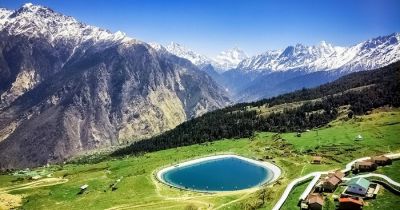
Kapkot and Pindari Base
If you are planning a mountain trip in Uttarakhand that combines a real village atmosphere, crisp Himalayan views, and a rewarding trek, Kapkot and Pindari Base should be on your shortlist. This route suits travellers who want more than a quick sightseeing stop: you will get road access to a quiet Kumaon town, a gradual approach through forest and river valleys, and a proper base for the Pindari Glacier trail.
This guide is for Indian travellers who want practical trip planning help: how to reach Kapkot, when to go, what the Pindari Base trek feels like, where to stay, and how much to budget. Prices and transport details can change, so treat the figures below as indicative and confirm locally before you book.
Why Kapkot and Pindari Base deserve your time
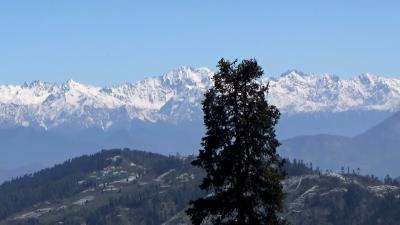
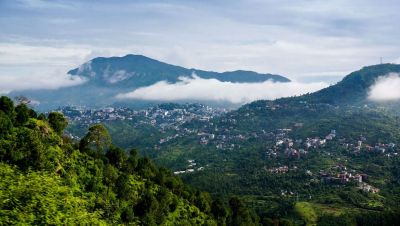
Kapkot is a small town in Bageshwar district, and it works well as both a stopover and an access point for the higher Himalayan trail toward Pindari. The region is known for its quieter pace, terraced fields, pine-covered slopes, and a strong sense of local Kumaoni life. Unlike some heavily commercial hill stations, this area still feels close to everyday mountain living.
Pindari Base is the useful stepping point for trekkers heading toward the Pindari Glacier side of the valley. Even if you do not continue all the way to the glacier, the walk to base gives you a good mountain experience without requiring the commitment of a long expedition. For many travellers, the attraction is the balance: road journey, village stays, river views, and a hike that is challenging but still manageable with preparation.
Where Kapkot is and how the route works
Kapkot lies in Kumaon, beyond Bageshwar, in the direction of the higher Himalaya. The town is typically reached by road from Kathgodam or Haldwani via Almora and Bageshwar, or through a combination of bus, shared taxi, and private cab. From Kapkot, the road continues toward the trekking belt, and the last motorable points may vary depending on road conditions, landslides, and local regulations.
For most travellers, the journey is part of the experience. Expect winding hill roads, regular photo stops, and stretches where progress is slow but scenic. If you are coming from Delhi, the total travel time by road is usually long enough that many people break the trip in Kathgodam, Almora, or Bageshwar. A practical plan is to reach Kathgodam by overnight train, then continue by road the next day.
Best time to visit Kapkot and Pindari Base
The most comfortable window is usually April to June and September to early November. In these months, the weather is generally more stable, the roads are easier to manage, and the trekking conditions are friendlier. Summer brings pleasant daytime temperatures, while post-monsoon months often offer clearer mountain visibility.
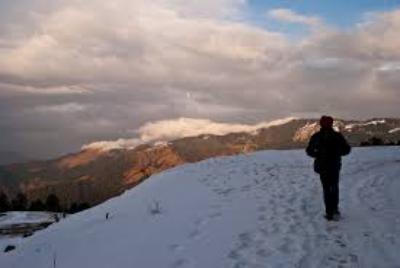
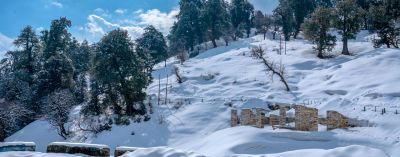
December to February can be very cold, and higher stretches may experience snow or road closures. The monsoon months, especially July and August, can bring slippery trails, cloud cover, and landslide-related delays on the road to Bageshwar and beyond. If you are planning a trek, avoid last-minute assumptions and check the route conditions locally a day or two before departure.
| Season | What to expect | Best for |
|---|---|---|
| April to June | Clear weather, comfortable hiking, long daylight hours | First-time trekkers, families, road travellers |
| July to August | Monsoon showers, slippery roads, possible disruptions | Experienced travellers with flexible plans |
| September to November | Clean air, better visibility, cooler nights | Photography, trekking, quiet village stays |
| December to February | Cold conditions, possible snow at higher reaches | Winter mountain experience, if you are well prepared |
How to reach Kapkot
By train
The nearest major railhead for most travellers is Kathgodam. From there, Kapkot is reached by road, and the journey can take roughly 8-10 hours depending on traffic, road conditions, and the exact route. Trains from Delhi to Kathgodam are popular, especially overnight options, because they save daytime travel and reduce fatigue before the hill drive.
By road
If you are driving from Delhi, plan for a long but manageable mountain transfer. A common route runs through Haldwani, Almora, and Bageshwar before reaching Kapkot. Private cabs from Kathgodam or Haldwani may charge roughly ?4,500-?8,500 or more one way, depending on vehicle type, season, and route flexibility. Shared taxis and buses are cheaper, usually in the range of a few hundred rupees per seat, but schedules can be irregular.
By bus
Uttarakhand Transport and private operators run services toward Bageshwar and nearby points, but direct buses to Kapkot may not always be frequent. If you are relying on buses, keep some buffer time and ask about onward connections at Bageshwar. Local transport options are usually easier in daylight hours, so avoid arriving late in the evening if you can help it.
What the Pindari Base trek feels like
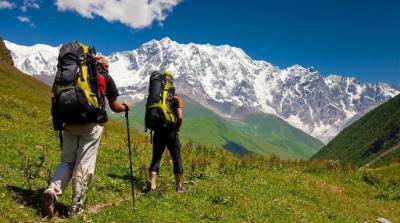
The trail toward Pindari Base is not a casual walk, but it is often considered suitable for fit beginners with the right pacing. The route generally passes through forest sections, suspension bridges, river views, and mountain villages before the higher alpine zone begins to show itself. Exact starting points and trail distances can vary based on current access and the local track being used, so confirm with your stay or guide before you start.
Expect a day to feel long even if the distance seems moderate on paper. Mountain ascents are different from city walks: the altitude, uneven stone paths, and repeated climbs slow you down. Most trekkers do better with an early start, regular water breaks, and a realistic pace rather than trying to race to the destination.
How many days you should keep aside
If you only want to stay in Kapkot and make short local excursions, 2-3 days is enough. If you want to include Pindari Base properly, keep at least 4-6 days in hand, especially if you are travelling from Delhi or another metro city. This gives room for road delays, an acclimatisation day, the trek itself, and a spare buffer in case of weather changes.
Who should attempt it
This route is good for travellers who enjoy mountain roads, simple stays, and trekking on natural terrain. Families with older children can manage parts of the experience if everyone is comfortable with walking and early mornings. If you have breathing issues, knee concerns, or limited trekking experience, consult your doctor and choose the easier sections carefully.
Where to stay and what kind of budget to expect
In Kapkot, accommodation options are usually simple: guesthouses, homestays, and basic lodges. In nearby villages or trekking stopovers, you may find even more modest rooms with basic bedding, simple meals, and shared facilities. Do not expect the polished inventory of a tourist town; the charm here is in the local hospitality and the setting.
For a realistic budget, a room in a basic guesthouse or homestay may cost around ?1,200-?2,500 per night, while cleaner or better-located options may range from ?2,500-?4,000 per night. Trekking support, if arranged through local operators or a registered guide, can vary widely depending on inclusions such as meals, porters, and overnight camps. A practical total budget for a modest 4-5 day trip from Delhi may start around ?10,000-?18,000 per person without luxury transport, and rise if you choose private cabs or guided trekking packages.
What to pack for Kapkot and Pindari Base
Packing well matters more here than in a city break. Weather can swing from warm sunlight to cool wind, and the trail may become damp or muddy. Keep your luggage light if you are trekking, because every extra kilogram feels heavier at altitude.
- Layered clothing such as thermals, fleece, and a windproof jacket
- Good trekking shoes with grip, ideally already broken in
- Rain protection including a poncho or lightweight rain jacket
- Reusable water bottle and ORS packets
- Basic medicines for headache, acidity, motion sickness, and first aid
- Power bank and torch, especially if your stay has limited electricity backup
- Cash, since digital payments may not work reliably in some stretches
If you are trekking farther than the village zone, ask locally about sticks, ponies, porters, and food arrangements. Do not assume these will be available exactly when you need them.
Food, local culture, and simple things to enjoy
Food in Kapkot and the surrounding belt is generally straightforward and filling. You are likely to get dal, rice, seasonal vegetables, roti, paratha, curd, tea, and basic snacks. If you stay in a homestay, ask for local Kumaoni dishes when available; many hosts are happy to prepare something simple and fresh.
Spend some time observing the rhythm of the place rather than rushing through it. Early mornings are excellent for mountain light, village walks, and tea with a view. Even a short conversation with a host or shopkeeper can tell you a lot about farming seasons, local weather, and trail conditions. This is the kind of trip where human interactions matter as much as the scenery.
Practical tips before you leave
- Keep your itinerary flexible by at least half a day because hill roads can slow down unexpectedly.
- Start trekking early so you have daylight on your side.
- Carry enough cash for local taxis, tea, food, and small purchases.
- Check road conditions after rain or snowfall before you leave your stay.
- Inform your host or a local contact about your trekking plan.
- Do not rely only on phone maps; ask for trail updates from people on the ground.
If you are booking through a package operator, ask clearly what is included: transport from Kathgodam or Bageshwar, meals, permits if any are needed, guide charges, and emergency support. That small clarification can save you from surprises later.
Frequently Asked Questions
Is Kapkot a good base for a Pindari trip?
Yes, Kapkot works well as an access point for the Pindari region, especially if you want a quieter stay before or after the trek. It is not a crowded tourist town, so the atmosphere is calmer and more practical for hikers. Just confirm the latest road and trail access before travelling.
How difficult is the Pindari Base trek?
The trek is generally considered moderate, but the difficulty depends on your fitness, the exact route being used, and the weather. The climb, altitude, and uneven terrain can make it feel tougher than the kilometre count suggests. If you are a beginner, take it slowly and do not try to rush the ascent.
Can I do this trip in a weekend?
A true weekend trip is difficult if you are coming from Delhi or another faraway city. The road journey itself is long, and a proper Pindari Base experience needs more time. A 4-6 day plan is much more realistic and less exhausting.
Are there ATMs and mobile networks in Kapkot?
Network coverage can be patchy, and ATM availability should not be assumed in the smaller stretches. Carry enough cash from a larger town like Kathgodam, Haldwani, or Bageshwar. Also keep your important booking details saved offline in case mobile internet becomes unreliable.
What kind of travellers will enjoy Kapkot the most?
Travellers who enjoy quiet hill environments, local homestays, and trekking will appreciate it most. It also suits photographers, birdwatchers, and people who prefer less commercialised mountain routes. If you need luxury hotels and a dense cafe scene, this is probably not the right fit.
Is it safe to travel in the monsoon?
It can be done with care, but monsoon travel in Uttarakhand always needs caution because of slippery roads and occasional landslides. If your dates are flexible, the pre-monsoon and post-monsoon windows are usually easier. Always check local updates before you commit to the drive.
Conclusion
Kapkot and Pindari Base offer a very different Uttarakhand experience from the usual hill-town circuit. You get a real mountain journey, simpler stays, and a trek that feels earned rather than rushed. If you want a trip that leaves you with fresh air, quieter roads, and a stronger connection to Kumaon, this route is worth planning carefully.
If this guide helped you plan better, share the post with someone who is looking for a genuine Uttarakhand mountain trip.
Disclaimer : The information provided in this blog is for general informational purposes only. While we strive to keep the content accurate and updated, TravelSetu assumes no liability for errors or omissions. If you believe any part of this blog infringes your rights or causes concern, please notify us immediately at info[at]travelsetu[dot]com so that appropriate action can be taken.