If you are planning a Uttarakhand trip that feels calmer than the usual hill-station circuit, Karnaprayag and the Pindar Valley deserve your attention. This route is ideal if you want river views, village walks, temple stops, mountain roads and a slower pace that still feels properly Himalayan.
In this guide, you will find how to reach Karnaprayag, what makes the Pindar Valley distinct, the best time to travel, how to plan your stay, and practical tips for road conditions, costs and local travel. It is written for Indian travellers who want a realistic, useful plan rather than vague inspiration.
Why Karnaprayag Matters in a Uttarakhand Itinerary
Karnaprayag sits at the confluence of the Alaknanda and Pindar rivers in Chamoli district, and that meeting point gives the town its name and identity. It is one of the Panch Prayag, the sacred river confluences of Garhwal, and it works well as a base if you are exploring the middle and upper stretches of Uttarakhand by road.
For many travellers, Karnaprayag is not a destination to rush through. It is a practical halt between Rishikesh, Rudraprayag, Joshimath and the interior villages that feed into the Pindar Valley. If you like a trip that combines pilgrimage routes, local markets, mountain scenery and genuine small-town life, this area gives you all of that without the crowds of more famous hill towns.
Understanding the Pindar Valley
The Pindar Valley follows the course of the Pindar River and opens up into a chain of villages, forested slopes, terraced fields and side roads that feel increasingly remote as you go deeper. The valley is less commercial than the better-known tourist belts of Garhwal, which is exactly why it appeals to travellers who enjoy quiet roads, village stays and a more local rhythm.
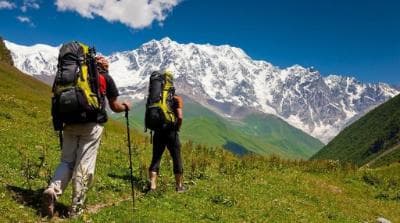
This is not a place for packed sightseeing. It suits you if you want short treks, slow drives, photo stops, temple visits and time to sit by the river. The terrain can be steep and the roads narrow, so the valley rewards patience. If you are expecting easy access to cafés, cabs at every turn and large hotels, adjust your expectations before you arrive.
What makes it different from other Uttarakhand valleys
Unlike the busier parts of Kumaon or the classic tourist stretch around Mussoorie, the Pindar Valley feels more raw and less staged. You will see villages where agriculture still shapes daily life, local buses and shared jeeps rather than a tourist transport network, and long views interrupted by switchback roads and river bends. For many travellers, that is the attraction.
How to Reach Karnaprayag
The most common way to reach Karnaprayag is by road. From Rishikesh, the drive is roughly 180-200 km and can take around 6-8 hours depending on traffic, landslides, roadwork and stops. From Dehradun, you may need 8-10 hours. From Delhi, a road journey usually takes 12-14 hours or more, so most travellers break it with an overnight halt in Rishikesh, Srinagar or Rudraprayag.
The nearest railhead commonly used for this region is Rishikesh, though connectivity from there may require a road transfer. For air travel, Dehradun’s airport is the usual option, followed by a road journey into the hills. Because schedules and road conditions change, confirm your onward transport a day before departure, especially during monsoon or winter.
Simple route planning tips
- From Delhi, plan a 2-night journey if you want to avoid a punishing drive.
- Keep buffer time for mountain delays, especially after rain.
- Start early in the morning to reduce traffic on the plains and lower hills.
- If you are prone to motion sickness, carry your own medicines and sit in the front seat when possible.
Best Time to Visit
The most comfortable months for Karnaprayag and the Pindar Valley are usually March to June and September to November. In spring and early summer, the weather is pleasant, the roads are easier to manage, and the hills are greener. After the monsoon, the air clears up nicely and visibility improves, which makes river views and mountain drives more enjoyable.
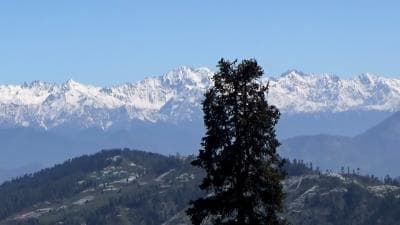
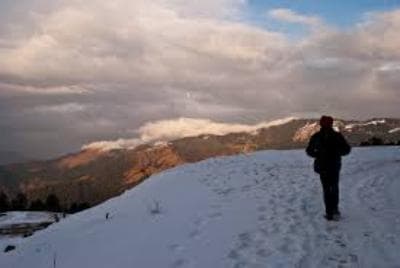
July and August can be tricky because the Uttarakhand monsoon brings rain, slippery stretches and occasional road disruption. Winter, especially late December to February, can be cold in the higher reaches. Snow is possible in some surrounding areas, but conditions vary from year to year, so do not assume every part of the valley will be snow-covered.
| Season | What to expect | Traveller fit |
|---|---|---|
| March to June | Mild weather, open roads, clear days | Best for first-time visitors |
| July to August | Heavy rain, landslide risk, slower travel | Only if you are flexible |
| September to November | Clear air, great visibility, crisp evenings | Excellent for road trips and photography |
| December to February | Cold weather, possible snow in higher stretches | Good for winter lovers with proper clothing |
What to Do in and Around Karnaprayag
Karnaprayag works best as a relaxed base rather than a checklist destination. Start with the river confluence itself, where the Pindar meets the Alaknanda, and spend time observing the water colour, bridge views and local movement around the town. The town also has temple stops and quiet walking stretches that are worth a slow morning.
If you enjoy photography, early morning and late afternoon are the best times for river shots and layered mountain frames. The light changes quickly in this part of Uttarakhand, so even a simple walk can feel different from one hour to the next. Local markets are useful for chai, snacks and daily supplies rather than souvenir shopping.
Short excursions from the town
Depending on road conditions and your time, you can take short outings toward nearby villages and viewpoints in the broader valley. These are best done with a local driver or by asking your hotel about current road access. In mountain districts, a route that looked easy on the map may be slow in reality, so build flexibility into your plans.
If you are interested in temples and pilgrimage routes, this region also connects naturally with the larger Char Dham road network. Even if you are not heading to the major shrines, you will feel the spiritual geography of the area in the traffic, roadside shrines and pilgrim rest points.
Experiencing the Pindar Valley Properly
The best way to enjoy the Pindar Valley is to slow down. Spend more time on the road than you think you need, stop at village tea stalls, and allow for spontaneous pauses at river bends and viewpoints. The appeal here is not in a long list of attractions but in the atmosphere of the journey itself.
Village stays can be rewarding if you want a deeper sense of place. A modest homestay may cost around Rs.1,200-Rs.2,500 per night, while cleaner mid-range guesthouses in accessible areas may fall in the Rs.2,000-Rs.4,500 range. Prices vary by season and road access, so it is wise to confirm whether meals are included and whether the property has reliable hot water and power backup.
Who will enjoy this valley most
- Travellers who prefer road journeys with scenic stops
- People looking for a quieter Uttarakhand circuit
- Small groups interested in village life and local food
- Photographers who enjoy rivers, terraced fields and mountain shadows
Food, Stay and Local Costs
Food in Karnaprayag and the Pindar Valley is simple and satisfying. Expect North Indian meals, dal-chawal, roti-sabzi, Maggi, parathas and tea rather than elaborate restaurant menus. If you are staying in a homestay, the host may offer home-cooked meals, which is often the most dependable option in smaller settlements.
For a realistic budget, a modest trip can be planned around Rs.2,500-Rs.5,000 per day for two people if you are sharing transport and staying in simple accommodation. A more comfortable road trip with a private cab, better rooms and regular meals may go up to Rs.6,000-Rs.10,000 per day for two, depending on season and route. These are indicative figures, and rates can rise during pilgrimage periods and long weekends.
If you are hiring a cab from Rishikesh or Dehradun, ask clearly whether the fare includes tolls, driver allowance, night halt charges and hill-road adjustments. Mountain travel often becomes expensive because of distance and waiting time, not because of the room rate alone.
Practical Travel Tips for Uttarakhand Roads
Road travel in this part of Uttarakhand is beautiful, but it asks for patience. Landslides, temporary closures and repair work can affect travel times, especially during and after heavy rain. Keep a power bank, water, some dry snacks and cash with you, as network and card machines can be unreliable in smaller stretches.
Carry warm layers even in summer, because evenings can turn cool quickly once the sun drops behind the mountains. Good walking shoes matter more than fashionable ones, especially if you plan to walk around village paths or uneven town roads. If you are travelling with elderly family members, book accommodation with easy access and avoid rushing into too many stops in one day.
- Check road status before starting each leg of your journey.
- Keep one full day loose for delay management.
- Start early to avoid afternoon congestion and weather changes.
- Carry medicines, ID proof and enough cash for small expenses.
- Do not depend only on mobile maps in remote stretches.
Frequently Asked Questions
Is Karnaprayag a good base for the Pindar Valley?
Yes, Karnaprayag is one of the most practical bases because it is connected by road and has basic accommodation, food and transport options. From there, you can continue deeper into the valley or use the town as a stopover on a larger Uttarakhand circuit. It is especially useful if you want a gradual ascent rather than driving straight into more remote areas.
How many days should I keep for this trip?
If you only want to see Karnaprayag and make a short valley outing, 1-2 nights may be enough. For a more relaxed Pindar Valley experience with village stays and slower drives, 3-5 days works much better. If you are combining it with other Garhwal destinations, add an extra buffer day for road conditions.
Is the area suitable for family travel?
Yes, provided you keep the itinerary realistic and do not try to cover too much in one day. Families with children or elderly travellers should choose comfortable accommodation, avoid late-night drives and stay close to main roads. The region is peaceful, but the roads can be tiring if you overpack your schedule.
What kind of clothes should I pack?
Pack light woollens in summer and proper warm layers in autumn and winter. A waterproof jacket, comfortable trousers, sturdy shoes and a small umbrella or rain cover are useful in most seasons. If you are travelling in monsoon months, keep an extra pair of dry socks and a plastic bag for wet clothing.
Are permits needed to visit Karnaprayag and the Pindar Valley?
For general tourist travel in this region, special permits are usually not required, but rules can change for specific roads, protected zones or restricted areas. If you plan to move beyond standard tourist routes, confirm with your hotel, local transport operator or district authorities before starting. Always carry valid ID proof.
Can I combine this with other Uttarakhand destinations?
Yes, and that is often the best way to plan it. You can combine Karnaprayag with Rudraprayag, Joshimath, Gwaldam or parts of the Chamoli circuit, depending on your time and season. Just avoid making it a race; mountain travel works better when you keep fewer stops and more breathing room.
Final Thoughts
Karnaprayag and the Pindar Valley are for travellers who want Uttarakhand at a gentler pace, with rivers, road journeys and village landscapes taking centre stage. If you plan well, travel in the right season and leave room for delays, this corner of Garhwal can give you a very satisfying mountain break without the noise of busier tourist circuits.
Share this post with anyone planning a Uttarakhand road trip and looking for a calmer route beyond the usual places.
Planning a Uttarakhand trip?
Tell us your dates and who is travelling. Up to three local travel companies send you their itinerary and price.
Get free quotesDisclaimer: The information in this blog is for general information only. We try to keep it accurate and up to date, but TravelSetu accepts no liability for errors or omissions. If you believe any part of it infringes your rights, please write to info@travelsetu.com.