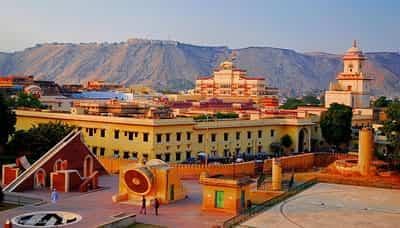
If you are planning a Rajasthan trip and want something beyond the usual Jaipur-Jodhpur-Jaisalmer circuit, the Khandela and Sikar region is worth your attention. This part of Shekhawati is ideal for travellers who enjoy heritage havelis, frescoes, quiet temples, rural landscapes, and easy road trips from Delhi, Jaipur, or Bikaner.
In this guide, you will get a practical overview of what to see around Khandela and Sikar, when to go, how to reach, where to stay, and how to plan a relaxed 2 to 4 day trip without rushing between stops.
Why Khandela and Sikar deserve a place on your Rajasthan itinerary
Sikar district sits in the Shekhawati belt of Rajasthan, a region known for merchant mansions, painted courtyards, old bazaars, and temples built by prosperous trading families. While towns such as Nawalgarh and Mandawa often get more attention, Khandela and Sikar give you a more grounded experience, with fewer crowds and a stronger sense of everyday life.
Khandela is a historic town with old havelis, stepwells, and a slower pace. Sikar, the district headquarters, offers a better mix of heritage, city comforts, markets, and transport links. Together, they work well for travellers who want architecture and local culture without spending all their time in heavily touristed spots.
The region also suits short road trips. From Jaipur, Sikar is about 115-125 km and usually takes 2.5 to 3 hours by road, depending on traffic. Khandela lies farther north from Jaipur and is best reached by road via Sikar or Neem ka Thana.
How to reach Khandela and Sikar
By road
Road travel is the simplest way to explore this region. From Jaipur, you can drive to Sikar via the NH routes in around 2.5 to 3 hours. Khandela is another 45-60 minutes from Sikar by local road, depending on your exact route and traffic. A private cab from Jaipur to Sikar may cost roughly Rs.3,000-Rs.5,500 one way, while a full-day local cab for heritage sightseeing can range from Rs.2,500-Rs.4,500, depending on vehicle type and season.
If you are self-driving, the roads are generally manageable, and a car gives you much more flexibility for visiting smaller temples, village stops, and havelis that are not on standard tourist routes.
By train
Sikar has rail connectivity with Jaipur and other nearby towns, though train frequency and timings should be checked in advance. If you are coming from Delhi, Jaipur is often the better interchange point, followed by a road transfer to Sikar or Khandela. For many travellers, a train to Jaipur plus a cab is still the smoothest option.
By air
The nearest major airport is Jaipur International Airport, around 115-130 km from Sikar depending on your route. From the airport, you can hire a taxi or arrange a transfer through your hotel or tour operator. For a weekend trip, flying into Jaipur and then heading north by road is usually the easiest plan.
Best time to visit and what the weather feels like
The most comfortable months are October to March. Days are pleasant, mornings can be crisp, and walking around old lanes, temples, and havelis becomes far easier. This is the best season if you want to photograph frescoes, shop in local markets, or enjoy a heritage circuit without heat fatigue.
April to June is extremely hot, with daytime temperatures often rising sharply. If you must travel in summer, keep sightseeing for early morning and evening, and stay hydrated. July to September brings monsoon showers, which can cool the air a little, though road conditions and outdoor plans may become less predictable.
For festivals and local atmosphere, consider timing your visit around winter fairs and temple events, but always confirm dates locally because small-town calendars can shift from year to year.
Top places to see in Sikar and nearby Khandela
Sikar old city and heritage havelis
The old quarters of Sikar are the heart of a heritage walk. Look out for painted havelis, carved doors, jharokhas, and frescoed facades showing scenes from epics, local life, and colonial-era trade. Many of these homes were built by Marwari merchant families, and while some are private residences, their exteriors alone are worth a slow walk.
Spend at least a few hours moving through lanes near the older market areas. A guide can help you understand symbols, family histories, and the mix of Rajasthani and colonial influences in the artwork.
Madho Niwas Kothi and other old mansions
Some of the more prominent historic residences in and around Sikar reflect the wealth that flowed through Shekhawati trade routes. Even when you cannot enter every property, the architecture gives you a strong sense of the region’s merchant past. Keep your expectations practical: not every haveli is restored, but the weathered walls and faded paintings often feel more authentic than polished museum settings.
Harshnath Temple
Harshnath Temple, on a hill near Sikar, is one of the better-known spiritual and scenic stops in the district. The site is associated with old stone architecture and broad views of the surrounding landscape. It is especially pleasant in the cooler months and early morning hours.
Jeen Mata Temple
Jeen Mata Temple is a major pilgrimage site in the region and can be busy during Navratri and festival periods. If you enjoy temple towns with strong local devotion, this is an important stop. The drive from Sikar is manageable, and many travellers combine Jeen Mata with a half-day heritage circuit.
Khandela town and local heritage
Khandela is smaller and quieter than Sikar, which is part of its appeal. Its old streets, traditional homes, and village atmosphere give you a clearer sense of everyday Shekhawati life. If you like slow travel, you can spend a few hours here exploring on foot, stopping for tea, chatting with locals, and observing the architecture without a tourist crowd around you.
Nearby village circuit
If you have a full day, ask your driver or hotel about nearby villages with frescoed havelis and old temples. Shekhawati is strongest when you move beyond one town and compare styles across a small circuit. A 1-day heritage loop from Sikar can include 2-4 stops, depending on how much time you want to spend at each place.
What to do besides sightseeing
A trip to Khandela and Sikar works best when you slow down and let the region reveal itself in layers. Start with a heritage walk in the morning, take a long lunch, and then spend your afternoon in a market or temple area.
- Take a fresco walk: Look for faded wall paintings, old courtyards, and carved doorways in the older parts of town.
- Visit local markets: Buy bangles, textiles, snacks, spices, and everyday household items in Sikar’s bazaars.
- Photograph early or late: Soft light helps the colours on old walls and temples stand out more clearly.
- Talk to local guides: They often know which havelis are privately accessible and which family stories are linked to specific buildings.
- Plan temple time carefully: Go early if you want quieter darshan and better temperatures.
If you enjoy culture over checklist tourism, this region will suit you more than a tightly packed monument circuit.
Food, snacks, and local shopping
Expect simple Rajasthani food rather than a fancy dining scene. In Sikar, most travellers eat at family-run dhabas, local restaurants, and hotel kitchens. Dal baati churma, gatte ki sabzi, ker sangri, bajre ki roti, and papad-based sides are commonly available. If you want lighter meals, you will also find thalis, parathas, poha, pakoras, and basic North Indian vegetarian fare.
For snacks, try kachori, samosa, mirchi vada, and tea at busy roadside stalls or small city cafés. Budget around Rs.150-Rs.300 per person for a filling lunch at a simple local restaurant, and Rs.400-Rs.800 per person at a cleaner mid-range dining place attached to a hotel or heritage stay.
Shopping is practical rather than luxury-oriented. Look for dry snacks, Rajasthani textiles, local sweets, and small handicraft items. If you are buying packaged foods or sweets to carry home, check freshness and sealing carefully, especially in warmer months.
Suggested itineraries for 2 to 4 days
| Trip length | Best for | Simple plan |
|---|---|---|
| 2 days | Weekend travellers from Jaipur | Day 1: Reach Sikar, heritage walk, market evening. Day 2: Harshnath Temple, nearby havelis, return. |
| 3 days | Relaxed travellers | Day 1: Sikar old city. Day 2: Jeen Mata, village circuit, Khandela. Day 3: more havelis or a slow departure. |
| 4 days | Photographers and heritage lovers | Add nearby Shekhawati towns and spend more time with temples, stepwells, and local bazaars. |
If this is your first visit, do not try to pack too many monuments into one day. Shekhawati rewards time, not speed. Two or three meaningful stops are better than six rushed ones.
Where to stay and what it may cost
Sikar has the best mix of accommodation options in the region. You will find budget hotels, simple business hotels, and a few heritage-style stays. Khandela is smaller, so your options there may be limited and more local in character. If you want convenience, base yourself in Sikar and do Khandela as a day trip.
Indicative room rates usually look like this: budget hotels from Rs.1,200-Rs.2,000 per night, comfortable mid-range hotels from Rs.2,000-Rs.4,500 per night, and heritage-style properties or better-furnished boutique stays from Rs.4,500-Rs.8,000 or more. Prices rise on weekends, festival dates, and winter travel periods, so confirm before booking.
If you are travelling with family, choose a hotel with parking, hot water, and an attached restaurant. For a couple or solo traveller, proximity to the old city can be more useful than a large room.
Practical travel tips for a smooth trip
- Start early: Morning is the best time for heritage walks and temple visits.
- Carry cash: Small vendors and older eateries may not accept cards or digital payments consistently.
- Dress modestly for temples: Keep shoulders and knees covered where needed.
- Hire a local driver if possible: It saves time when moving between scattered heritage stops.
- Check access before entering havelis: Some are private homes and may not be open daily.
- Confirm festival timings: Temple crowds can affect traffic, parking, and darshan time.
Temperatures, road conditions, and opening hours can change, so it is wise to reconfirm locally a day before each outing, especially if you are visiting in summer or around a religious event.
Frequently Asked Questions
Is Khandela worth visiting if I already plan to see Sikar?
Yes, if you enjoy quieter towns and want a broader Shekhawati experience. Khandela is less developed than Sikar, but that is part of its charm. It works best as a half-day or day trip combined with the main Sikar circuit.
How many days do I need for Sikar and Khandela?
Two days are enough for a quick introduction. Three days give you a more comfortable pace, with time for temples, havelis, and a village stop. If you also want to visit nearby Shekhawati towns, plan for four days.
What is the best season for photography?
October to February is usually the best window because the light is softer and the weather is cooler. Early morning and late afternoon are ideal for old buildings and frescoes. Avoid harsh midday sun if you want richer colours and fewer shadows.
Is this region safe for family travel?
Yes, it is generally suitable for family trips, especially if you stay in Sikar and use a trusted cab. As in any small-town trip, keep valuables secure and avoid isolated areas after dark. Women travellers may prefer daytime sightseeing and arranged transport for outlying sites.
Are there good food options for vegetarians?
Yes, vegetarian food is widely available, and many local meals are naturally vegetarian. You will find thalis, parathas, dal-baati, snacks, and simple restaurant meals in Sikar. For cleaner and more predictable dining, choose a well-reviewed hotel restaurant or a busy local place.
Can I do Khandela and Sikar as a weekend trip from Jaipur?
Absolutely. Jaipur is close enough for a comfortable 2-day trip, especially if you start early. You can see Sikar on the first day, stay overnight, and cover Khandela or nearby heritage stops on the second day before returning.
Khandela and Sikar are best for travellers who like heritage with breathing room: old walls, quiet temples, real markets, and a slower rhythm than Rajasthan’s bigger tourist centres. If you want a trip that feels personal, practical, and culturally rich, this region gives you exactly that.
If this guide helped you plan better, share the post with someone who is looking for a thoughtful Rajasthan getaway.
Planning a Rajasthan trip?
Tell us your dates and who is travelling. Up to three local travel companies send you their itinerary and price.
Get free quotesDisclaimer: The information in this blog is for general information only. We try to keep it accurate and up to date, but TravelSetu accepts no liability for errors or omissions. If you believe any part of it infringes your rights, please write to info@travelsetu.com.