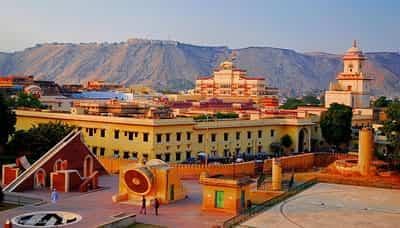
If you are planning a Rajasthan trip and want something a little different from the usual palace-and-fort trail, Kishangarh deserves a place on your itinerary. This small city near Ajmer is known for its marble trade, royal history, and the elegant Phool Mahal, making it a smart stop for travellers who like culture, architecture, and a more relaxed pace.
This guide will help you understand what makes Kishangarh worth visiting, how to plan your time, what to see around Marble City and Phool Mahal, and how to combine the trip with nearby Rajasthan attractions. If you are coming from Jaipur, Ajmer, Pushkar, or even Delhi on a wider Rajasthan circuit, you will find practical details here.
Why Kishangarh Belongs on Your Rajasthan Itinerary
Kishangarh is often described as the Marble City of India, and for good reason. The town is one of the biggest marble markets and processing centres in the country, with rows of factories, warehouses, and transport yards showing just how important the industry is here. But Kishangarh is not only about business and stone; it also has a royal past, old palaces, and a distinct artistic identity.
For Indian travellers, the appeal is simple: Kishangarh is easy to reach, works well as a half-day or one-day excursion, and gives you a different side of Rajasthan. Instead of desert camps and busy forts, you get marble bazaars, calm palace spaces, and a town that still feels rooted in trade and craftsmanship.
Where Kishangarh Is and How to Reach It
Kishangarh lies in Ajmer district of Rajasthan, around 20-25 km from Ajmer and roughly 80-90 km from Jaipur, depending on your route. It is also close to Pushkar, which makes it easy to include in a short Rajasthan loop.
By road
From Jaipur, the drive usually takes around 1.5 to 2 hours under normal traffic. From Ajmer, you can reach Kishangarh in about 30-45 minutes. A private cab for a day trip may cost around Rs.2,500-Rs.4,500 from Jaipur and Rs.1,200-Rs.2,000 from Ajmer, depending on vehicle type and season.
By train
Kishangarh has a railway station on an important north-western route, and this makes it convenient if you are travelling by rail. Train timings and stoppages change, so check the latest schedule before you book. From the station, local transport can take you to the marble market or palace area.
By air
The nearest major airport is Jaipur International Airport, about 80-90 km away. If you are flying in from another city, combining Jaipur, Ajmer, and Kishangarh in one trip is usually the most efficient plan.
What Makes Kishangarh the Marble City
Kishangarh’s marble industry is the backbone of its identity. You will see marble slabs, dust, and processing units spread across large industrial pockets, along with wholesale activity that supplies stone to cities across India. The scale is impressive, especially if you have never seen a marble market operating at this level.
For travellers, this is not a polished tourist showpiece; it is a working town. That is exactly what makes it interesting. You can observe loading yards, trucks moving slabs, cutters shaping stone, and traders discussing quality, colour, and finish. If you are curious about how Rajasthan’s construction and stone trade works, Kishangarh offers a practical, real-world look.
The best time to explore the market area is morning to early afternoon, when activity is steady but the heat is still manageable. Summer afternoons can be harsh, so plan indoor visits or palace exploration later in the day if needed.
Phool Mahal: The Royal Face of Kishangarh
Phool Mahal is one of the most elegant reminders of Kishangarh’s royal heritage. Historically associated with the Kishangarh rulers, it stands as a palace space that reflects the refined taste of the Rajput court. The name itself suggests beauty and celebration, and the architecture generally carries that feeling of grace rather than grandeur alone.
When you visit Phool Mahal, focus on the details: painted surfaces, arched openings, courtyards, and the atmosphere that comes from a space once used by royalty. In a state full of imposing forts, Phool Mahal feels more intimate. It lets you imagine everyday palace life, not just battles and ceremonies.
Exact visitor access can vary depending on upkeep, local arrangements, and permissions, so confirm the current status before you go. If the palace interior is open, spend at least 45 minutes to 1 hour there. If access is limited, the exterior and nearby heritage setting still make the stop worthwhile.
What to Do in and Around Kishangarh
Explore the marble markets
Start with the marble trade areas if you enjoy industrial tourism or want to understand the local economy. You may not need more than 1-2 hours, but that is enough to see how Kishangarh earned its nickname. If you are shopping for marble products or home décor, compare quality carefully and ask about transport, packing, and GST billing if needed.
Visit Phool Mahal and nearby heritage spaces
Pair Phool Mahal with other old palace-related spots in the town if they are open to visitors. Keep your expectations practical: Kishangarh is not a heavily developed heritage circuit, so the joy is in the atmosphere and stories, not in crowds or elaborate ticketed attractions.
Take a short trip to Ajmer or Pushkar
Because Kishangarh sits so close to Ajmer and Pushkar, you can use it as a quieter base or as a stop between the two. Ajmer Sharif Dargah, Ana Sagar Lake, and Pushkar’s ghats and temple streets are all within easy reach on the same travel day if you start early.
Look for local art and craft influence
Kishangarh is also known for its miniature painting tradition, especially the iconic Kishangarh school style with elegant portraits and stylised figures. If you come across local art stores or craftsmen, take time to browse. A small painting or print can be a meaningful Rajasthan souvenir.
Best Time to Visit Kishangarh
The most comfortable months are October to March, when Rajasthan’s weather is cooler and more suitable for walking around the market and palace areas. Daytime temperatures are pleasant, especially from November to February, though evenings can get chilly.
April to June is very hot, and outdoor exploration can feel tiring by late morning. If you visit in these months, start early, carry water, and keep your plan compact. July to September brings monsoon weather, which can make the surroundings look cleaner and greener, but occasional rain may affect road conditions and market movement.
| Season | Travel comfort | Best for |
|---|---|---|
| October to March | High | Heritage visits, market walks, day trips |
| April to June | Low to moderate | Short business-style visits, early morning outings |
| July to September | Moderate | Leisure travel with some rain tolerance |
Suggested Itinerary for a Kishangarh Day Trip
If you only have one day, keep the plan realistic. Kishangarh works best as a focused outing rather than an overloaded sightseeing marathon. Here is a simple route you can follow from Jaipur or Ajmer.
- Morning: Reach Kishangarh by 9:00-10:00 am and spend time in the marble market area.
- Late morning: Visit Phool Mahal or the main heritage zone, depending on access and opening conditions.
- Afternoon: Lunch at a local restaurant or hotel, then rest during the hottest part of the day.
- Evening: If time allows, continue to Ajmer or Pushkar, or return to your base city.
If you want a slower experience, stay overnight in Ajmer or a highway hotel near Kishangarh. This is especially useful if you are combining the stop with Pushkar or driving down from Delhi.
Where to Stay and What to Budget
Accommodation in Kishangarh itself is limited compared with Jaipur or Ajmer, so many travellers choose to stay in Ajmer, Pushkar, or a road-facing property near the highway. Budget hotels may start around Rs.1,500-Rs.2,500 per night, while decent mid-range stays usually fall between Rs.2,500-Rs.5,000 per night. Heritage-style or business hotels can cost more depending on the season and demand.
For food, expect simple North Indian meals, Rajasthani thalis, snacks, and tea stops. A basic lunch for one person may cost Rs.200-Rs.500, while a fuller restaurant meal can be Rs.600-Rs.1,200 depending on where you eat. If you are travelling in a group, sharing transport often gives the best value.
Practical Travel Tips for First-Time Visitors
- Carry water, sunglasses, and a hat, especially between March and June.
- Confirm Phool Mahal access and local entry conditions before arrival.
- If you are visiting marble yards, wear closed shoes because the ground can be dusty and uneven.
- Keep some cash handy for local purchases, though digital payments are common in many places.
- Plan your drive carefully if you are also visiting Ajmer or Pushkar on the same day.
- Prices and timings can change, so reconfirm before booking transport, hotels, or guided visits.
Frequently Asked Questions
Is Kishangarh worth visiting for tourists?
Yes, especially if you like heritage, trade towns, and less crowded places. Kishangarh is not a high-action tourist city, but it offers a genuine look at Rajasthan’s marble economy and royal past. It works very well as a short stop from Jaipur, Ajmer, or Pushkar.
How much time do I need in Kishangarh?
Most travellers can see the main highlights in 4-6 hours. If you want to explore the marble markets properly and spend time at Phool Mahal, keep half a day to a full day. An overnight stay is only needed if you want a slower circuit with Ajmer or Pushkar.
Is Phool Mahal open to visitors every day?
Not always in the same way, because access can depend on local management, maintenance, and permissions. Before you go, confirm the current entry situation through your hotel, driver, or local contacts. It is always better to check than to assume standard tourist access.
Can I buy marble products in Kishangarh?
Yes, that is one of the main reasons people visit the town. You may find everything from slabs and tiles to decorative items, but compare quality and ask about transport before finalising a purchase. For small items, packing and safe carriage are easier; for larger purchases, arrange delivery properly.
What is the nearest major city to Kishangarh?
Ajmer is the nearest major city and is only about 30-45 minutes away by road. Jaipur is the largest nearby gateway for longer itineraries and airport access. Many travellers combine all three in one Rajasthan route.
Is Kishangarh safe for family travel?
Yes, it is generally suitable for family travel if you stick to well-known areas, travel during the day, and arrange reliable transport. Like anywhere else, keep an eye on personal belongings and avoid rushing through unfamiliar industrial zones without a local driver or guide. Family trips work best when the plan is simple and time-bound.
Kishangarh may not shout for attention the way Jaipur or Udaipur does, but that is part of its charm. The marble business, the royal setting of Phool Mahal, and the easy access from Ajmer and Pushkar make it a rewarding stop for travellers who want something grounded and distinctive.
If you are building a Rajasthan itinerary that feels balanced, add Kishangarh as a half-day or day-trip experience and let its mix of industry and heritage surprise you. Share this post with someone planning a Rajasthan trip.
Planning a Rajasthan trip?
Tell us your dates and who is travelling. Up to three local travel companies send you their itinerary and price.
Get free quotesDisclaimer: The information in this blog is for general information only. We try to keep it accurate and up to date, but TravelSetu accepts no liability for errors or omissions. If you believe any part of it infringes your rights, please write to info@travelsetu.com.