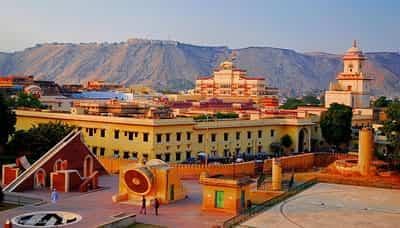
If you are planning a short Rajasthan trip that mixes forts, stepwells, rural landscapes, and easy road access from Jaipur or Delhi, the Lalsot and Dausa region is worth a close look. This part of east-central Rajasthan is practical for a weekend, but it also rewards slower travel with temples, old fort sites, village experiences, and quiet drives through semi-arid countryside.
In this guide, you will find the best time to go, how to reach Lalsot and Dausa, what to see, where to stay, what to eat, and how to plan a trip without wasting time on long detours. It is written for Indian travellers who want a realistic, easy-to-execute Rajasthan itinerary, not just a list of names on a map.
Why Lalsot and Dausa deserve your attention
Dausa district sits on an important travel corridor between Jaipur and Agra, and that makes it far more convenient than many people assume. Lalsot, meanwhile, gives you a more local, less tourist-heavy base with access to villages, temples, and the surrounding countryside. Together, they offer a quieter side of Rajasthan that still feels distinctly royal, earthy, and historic.
The region works well for travellers who enjoy heritage without heavy crowds. You can spend one day in Dausa town and nearby monuments, another day in Lalsot and nearby religious sites, and still have time for a road trip-style food stop or a half-day excursion to a village or reservoir area. If you are travelling from Jaipur, the drive is usually about 1.5 to 2 hours depending on your exact destination. From Delhi NCR, you should plan roughly 4.5 to 6 hours by road, again depending on traffic and route.
How to reach Lalsot and Dausa
The easiest way to visit this region is by road. Rajasthan State Road Transport buses, private buses, and cabs connect Jaipur, Dausa, Lalsot, and nearby towns fairly regularly, though timings can change with season and demand. If you are coming by your own car, the roads are generally straightforward, and driving is the most flexible option if you want to stop at stepwells, temples, and local eateries along the way.
By road
From Jaipur, Dausa is around 55-60 km by road, and Lalsot is farther east-southeast, usually around 80-90 km from Jaipur depending on the route. Many travellers combine the two in one circuit. If you are on the Delhi-Jaipur highway route, you can also connect via Dausa as part of a larger Rajasthan road trip.
By train
Dausa has railway connectivity, but schedules and convenience depend on where you are coming from. For many visitors, Jaipur remains the more practical rail hub, after which a taxi or bus can take you onward. If you are travelling in a group, a cab from Jaipur is often more comfortable and time-efficient than juggling transfers.
By air
The nearest major airport is Jaipur International Airport. From there, you can hire a cab or use a pre-booked transfer. For short stays, many travellers prefer to land in Jaipur, spend a night there if needed, and then continue to Dausa or Lalsot the next morning.
Best time to visit and what the weather feels like
The most comfortable time to explore Lalsot and Dausa is from October to March. Daytime temperatures stay manageable, mornings and evenings are pleasant, and sightseeing becomes much easier. This is also the best time for long drives, open-air temple visits, and photography.
Summer, from April to June, can be very hot, with afternoon temperatures often making outdoor exploration tiring. If you must travel then, keep sightseeing early in the morning and after sunset, and book accommodation with good cooling. The monsoon months, roughly July to September, bring some relief and patchy greenery, but heavy showers can affect road conditions in certain stretches. As always, confirm local weather before you travel.
| Season | Travel comfort | What to expect |
|---|---|---|
| October to March | Very good | Best for sightseeing, roads, and outdoor visits |
| April to June | Poor to moderate | Hot afternoons, best for short stops only |
| July to September | Moderate | Greener landscape, but weather and roads can be unpredictable |
Top places to see in Dausa
Dausa is not about one grand attraction alone. It is best enjoyed as a cluster of heritage stops and local sites. You can cover the main points in a day if you move steadily, but a slower pace lets you appreciate the history and setting more properly.
Harshat Mata Temple and Abhaneri area
One of the region’s most famous heritage stops is the Abhaneri area, known for the Chand Baori stepwell and the nearby temple complex associated with Harshat Mata. The stepwell is one of Rajasthan’s most striking historic structures, with deep geometric levels that are especially good for photography in the morning light. It is roughly 35-40 km from Dausa town, so factor in travel time if you are planning a same-day return.
Abhaneri is best visited with moderate expectations and an eye for detail. Do not rush through it. Spend time observing the symmetry, the stonework, and the way the site sits within the village landscape. Entry rules and local access arrangements may change, so check current conditions before you go.
Mehandipur Balaji Temple
Mehandipur Balaji draws large numbers of devotees from Rajasthan, Delhi, Haryana, and Uttar Pradesh. It is known for its strong spiritual atmosphere and the steady flow of pilgrims through the day. If you are visiting as a pilgrim, go with patience and keep your plans flexible, since queues and rituals can take time.
If you are a first-time visitor, dress modestly and be respectful of local customs. The temple is not a casual sightseeing stop; it is primarily a place of worship. Many travellers combine it with Dausa or nearby stays and complete the visit early in the day.
Dausa town and local heritage stops
Dausa town itself is not overloaded with tourist infrastructure, which is part of its appeal. You can walk through markets, observe everyday Rajasthani life, and use the town as a base for nearby monuments and temple visits. For travellers who enjoy less commercial destinations, this makes Dausa feel grounded and manageable.
What to see in and around Lalsot
Lalsot is better known as a local centre than as a headline tourist town, which makes it useful for a more relaxed, grounded Rajasthan trip. The surrounding area includes temples, rural roads, and small-town markets. It is a good place to stay if you want to explore without the bustle of Jaipur.
Village roads, temples, and countryside drives
The main pleasure of Lalsot is the journey itself. You can combine temple visits with short drives through semi-arid countryside, farm edges, and local settlements. If you enjoy photography, late afternoon is the best time for soft light and long shadows across the open landscape.
Travellers interested in regional religious circuits often use Lalsot as a stopover between Jaipur, Dausa, and eastern Rajasthan. Rather than looking for a packed sightseeing list, plan around a comfortable base, local meals, and one or two focused excursions.
Nearby excursion idea from Lalsot
If you are staying in Lalsot, ask locally about nearby temples, ponds, and village heritage stops that are open and accessible during your visit. This area changes in feel from season to season, especially after monsoon or during festival periods. Local guidance is useful here, and it often leads to more satisfying experiences than following a rigid checklist.
A practical 2-day itinerary for first-time visitors
If you have only two days, keep the plan simple. The region is best enjoyed without trying to squeeze in too many long detours.
- Day 1: Reach Dausa from Jaipur or Delhi, check in, and visit Abhaneri in the afternoon or next morning depending on your arrival time. End the day with a relaxed meal in Dausa town.
- Day 2: Visit Mehandipur Balaji early, then continue toward Lalsot for lunch or a short countryside drive before returning to Jaipur or moving onward.
If you have three days, add a slower pace: one day for Dausa heritage, one for temple visits, and one for Lalsot plus nearby road excursions. This works especially well for families and senior travellers who prefer fewer transfers.
Where to stay and what kind of budget to expect
Accommodation in Dausa and Lalsot is functional rather than luxurious, though a few hotels and guesthouses offer decent comfort for road travellers and pilgrims. In Dausa, you will typically find budget hotels, mid-range business-style stays, and a few options suited for short overnight halts. In Lalsot, the choice is usually smaller, so it is better to book early during festive or pilgrimage periods.
Indicative room rates:
- Budget stays: Rs.1,000-Rs.1,800 per night
- Mid-range hotels: Rs.2,000-Rs.4,000 per night
- Better family rooms or premium stays: Rs.4,500-Rs.7,000 per night
These prices can shift based on weekends, holidays, and temple traffic. If you are travelling during peak pilgrimage dates, confirm availability well in advance. For most travellers, a clean, air-conditioned mid-range hotel is the best balance of comfort and cost.
What and where to eat
Food in this region is classic North Indian and Rajasthani, with plenty of simple vegetarian options. Expect dal, roti, sabzi, khichdi, curd, paratha, and local snacks at highway dhabas and town eateries. If you enjoy traditional meals, a thali is often the easiest and most satisfying choice.
In towns like Dausa and Lalsot, the safest approach is to eat where the local crowd eats. High-turnover places tend to serve fresher food. For tea, snacks, and light breakfast, roadside stops are common, but choose clean, busy outlets. Budget around Rs.150-Rs.300 for a basic meal and Rs.300-Rs.600 for a fuller lunch or dinner at a decent restaurant.
Useful travel tips for a smooth trip
- Start early if you plan to visit Abhaneri and Mehandipur Balaji on the same day.
- Carry water, sunscreen, and a cap, especially outside winter.
- Keep cash handy for small shops, temple offerings, and local transport.
- Dress modestly for temple visits, and remove footwear where required.
- Check road and temple timings locally, since they can change during festivals or maintenance periods.
- If you are self-driving, avoid tight evening schedules because rural routes are easier in daylight.
For families and senior travellers, this region is most enjoyable when you keep walking distances short and add enough rest time between stops. For pilgrims, the focus should be on patience and practical planning rather than sightseeing speed. For photographers, the best light is generally early morning and late afternoon.
Frequently Asked Questions
Is Lalsot or Dausa better for a short Rajasthan trip?
Dausa is usually better if your priority is heritage sightseeing, because it gives you easier access to Abhaneri and Mehandipur Balaji. Lalsot is better if you want a quieter base and a more local travel feel. Many travellers use both together in one short trip.
How many days do you need for the Lalsot and Dausa region?
One full day is enough for a quick temple-and-heritage circuit, but two days make the trip much more comfortable. If you want to include slower travel, local food stops, and a relaxed overnight stay, three days is ideal. The region is best enjoyed without rushing.
Can I visit Abhaneri and Mehandipur Balaji in one day?
Yes, you can, especially if you start early from Jaipur or Dausa. The schedule will feel busy, so plan for limited breaks and check local timings before leaving. If you are travelling with children or elders, an overnight stay is wiser.
Is this region suitable for family travel?
Yes, it is suitable for families, particularly those who prefer road trips and temple visits over heavy sightseeing. The key is to choose a comfortable hotel, begin early, and avoid overpacking the itinerary. Families often find the route convenient because it is close to Jaipur.
What should I wear when visiting temples here?
Wear modest, comfortable clothing that is easy to walk in. Cotton outfits work well for most of the year, and in winter you may need a light jacket in the morning and evening. Carry footwear that is easy to remove and put on again at temple entrances.
Are there any special local expenses I should budget for?
Yes, aside from hotel and food, keep a small budget for temple offerings, parking, local guides if needed, and tea or snacks on the road. For a modest two-day trip, a reasonable daily spend excluding hotel could be around Rs.800-Rs.2,000 per person depending on your travel style. Always keep a little extra for seasonal price changes.
The Lalsot and Dausa region is a good choice if you want Rajasthan without the pressure of crowded tourist circuits. It offers a neat mix of heritage, devotion, road-trip convenience, and everyday local life, all within easy reach of Jaipur. If you plan it well, even a short trip can feel satisfying and refreshingly unhurried.
If this guide helped you plan better, please share the post with fellow travellers who are looking at Rajasthan beyond the usual routes.
Planning a Rajasthan trip?
Tell us your dates and who is travelling. Up to three local travel companies send you their itinerary and price.
Get free quotesDisclaimer: The information in this blog is for general information only. We try to keep it accurate and up to date, but TravelSetu accepts no liability for errors or omissions. If you believe any part of it infringes your rights, please write to info@travelsetu.com.