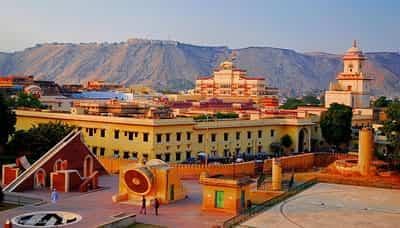
If you are planning a Rajasthan trip that goes beyond Jaipur and Udaipur, Laxmangarh Fort in Sikar deserves a place on your list. This guide is for travellers who want a practical, on-ground sense of what to expect: how to reach, when to go, what to see, and how to combine the fort with nearby Shekhawati stops for a rewarding day or weekend trip.
Laxmangarh Fort sits above the town of Laxmangarh in Sikar district, in the Shekhawati region of Rajasthan. It is not a polished palace with a ticket counter and choreographed show; it is a living historic fort area where old walls, lanes, viewpoints, and local life come together. If you like heritage with a slightly raw edge, this is the kind of place that stays with you.
Why Laxmangarh Fort belongs on a Rajasthan itinerary
Rajasthan has many famous forts, but Laxmangarh Fort offers a different experience. It is less crowded than Jaipur’s Amer Fort or Jodhpur’s Mehrangarh, and that makes the visit feel personal. You get the sense of an old Rajput stronghold watching over a town that grew around it, rather than a monument separated from everyday life.
The fort is linked to Rao Raja Laxman Singh, who founded Laxmangarh in the 19th century. Over time, the fort area became part of the town’s identity, and today it is one of the most recognisable landmarks in Sikar district. For travellers exploring Shekhawati’s frescoes, havelis, stepwells, and smaller forts, it fits naturally into a route that feels culturally rich without being rushed.
Where Laxmangarh Fort is and what the town feels like
Laxmangarh is around 25-30 km from Sikar town, and the drive usually takes about 30-45 minutes depending on traffic and road conditions. From Jaipur, the journey is roughly 120-130 km and can take about 2.5-3.5 hours by road. The town itself is small, with busy local markets, narrow stretches, and the fort rising above the settlement in a way that gives the place its name and character.
Unlike a remote hill fort, this one is woven into the town. That means you can combine sightseeing with a relaxed local food stop, a walk through market lanes, and a wider Shekhawati circuit. If you are arriving from Delhi, the drive is longer but manageable for a weekend if you leave early and keep your overnight stay flexible.
Best time to visit Laxmangarh Fort
The best months for a comfortable visit are October to March, when daytime temperatures are milder and walking around feels easier. November, December, and February are especially pleasant for sightseeing in Sikar district. Summer months, especially April to June, can be very hot, with strong sun and dry winds that make midday exploration tiring.
If you travel in winter, carry a light jacket for early mornings and late evenings. Monsoon months can bring some relief from the heat, but road travel in Rajasthan may still be affected by local weather and occasional delays. As with most heritage sites in Rajasthan, check local conditions, opening access, and any entry or parking arrangements before you go.
How to reach Laxmangarh Fort
By road
Road travel is the easiest option. From Jaipur, you can take a cab or self-drive via Dausa and Neem ka Thana side routes depending on your plan. From Sikar town, a local cab or auto-rickshaw can get you to Laxmangarh. If you are visiting as part of a Shekhawati circuit, road travel gives you the most flexibility for halts at nearby havelis and temples.
For a day trip, it is sensible to leave Jaipur by 7:00-8:00 am so you can spend enough time in Laxmangarh and still return before night. A private cab for a Jaipur-Sikar-Laxmangarh day route may cost roughly Rs.4,500-Rs.7,500 depending on vehicle type, season, and inclusions. Confirm tolls, driver allowance, and waiting charges in advance.
By train
The nearest practical rail access is through Sikar Junction or nearby stations on the regional network, followed by a road transfer to Laxmangarh. Train connectivity varies by origin city, so it is wise to check the latest schedules before planning a heritage trip around railway timings. For many travellers, a train to Sikar followed by a cab is a workable and economical option.
By air
Jaipur International Airport is the closest major airport for most visitors. From there, you can hire a taxi or continue by self-drive to Sikar district. If you are planning a larger Rajasthan itinerary, Laxmangarh can be added after Jaipur, before Mandawa, or as part of a Shekhawati road loop.
What to see at and around Laxmangarh Fort
The fort area is the main draw, but you should not think of it as a one-point visit. Spend time noticing the elevated setting, the old stone structure, the surrounding town views, and the daily rhythm below. The fort has the kind of presence that rewards slow looking more than hurried photography.
Fort viewpoints and town views
The most memorable part of the visit is often the view across Laxmangarh town. From the higher sections and surrounding approaches, you can see a patchwork of rooftops, roads, and local life spread below. Early morning and late afternoon are the best times for softer light and clearer visibility.
Historic atmosphere
Even if some sections are not fully restored or interpreted like a museum, the fort’s atmosphere is part of the experience. It helps to know a little about its history before you arrive so you can appreciate why it matters to the region. In Shekhawati, many monuments are not over-restored; they retain a weathered look that suits the landscape and the story of the place.
Town walk and local market
Leave some time for the town itself. A walk through the market area can be a pleasant contrast to the fort visit, especially if you like small-town Rajasthan rather than only marquee monuments. You may find local snacks, tea stalls, traditional shops, and everyday scenes that make the trip feel grounded rather than staged.
Combine Laxmangarh Fort with nearby Shekhawati sights
One of the smartest ways to visit Laxmangarh Fort is to pair it with nearby heritage places in Sikar district and the wider Shekhawati region. This area is known for painted havelis, old cenotaphs, stepwells, and temples, so a single stop can easily become a fuller heritage route.
Depending on your pace, you can combine the fort with:
- Sikar town heritage for old buildings, temples, and a more urban heritage feel
- Mandawa for frescoed havelis and a classic Shekhawati atmosphere
- Nawalgarh for mansion-lined lanes and heritage walks
- Fatehpur Shekhawati for painted havelis and traditional architecture
If you have only one day, keep it focused on Laxmangarh and one nearby stop. If you have two days, a Sikar-Laxmangarh-Mandawa route works much better and feels less rushed. For travellers who enjoy photography, old architecture, and local food, this part of Rajasthan gives strong value for time spent on the road.
Suggested itinerary for a day trip
A simple, realistic day plan keeps the trip enjoyable. Do not try to pack too many places into one day, especially in summer or if you are travelling with family.
| Time | Plan | Notes |
|---|---|---|
| 7:00 am | Depart from Jaipur or nearby base city | Start early to avoid heat and save sightseeing time |
| 10:00 am | Arrive in Laxmangarh and explore the fort area | Take time for viewpoints and surrounding lanes |
| 12:00 pm | Lunch at a local restaurant or dhaba | Expect simple North Indian food and tea stops |
| 1:00 pm | Walk through the market or visit nearby heritage spots | Keep the pace relaxed |
| 3:00 pm | Begin return journey or continue to Sikar/Mandawa | Plan buffer time for road travel |
If you prefer an overnight trip, stay in Sikar or a nearby heritage property in Shekhawati. Budget hotel rooms in Sikar can range from about Rs.1,200-Rs.2,500 per night, while more comfortable heritage-style stays may cost Rs.3,000-Rs.7,000 or more depending on the property and season. Rates change often, so verify before booking.
Food, comfort, and practical travel tips
Food options around Laxmangarh are usually straightforward rather than fancy. You will find local eateries serving dal, roti, sabzi, poori, paratha, tea, and snacks. If you want a fuller meal, Sikar town generally offers more choice. Carry drinking water, especially if you are travelling between April and June.
Wear comfortable walking shoes because heritage areas often mean uneven surfaces, short climbs, and dusty lanes. A cap, sunglasses, and sunscreen are essential in daytime. If you plan to photograph the fort and town, keep your phone or camera charged, because plug points may not be available near the site itself.
For families, this is a good low-pressure heritage outing, but do keep children close around older stone areas. For senior travellers, it is better to avoid peak afternoon heat and plan shaded breaks. If you are visiting during a festival or local event, expect more traffic and slower movement around the town centre.
Suggested budget for a trip
Your total spend will depend on where you start from and whether you do a day trip or stay overnight. For a couple doing a simple road trip from Jaipur, a realistic day budget could look like this:
- Transport: Rs.4,500-Rs.7,500 for a cab, or less if you self-drive
- Food: Rs.400-Rs.1,200 for two people
- Entry or local fees: Often modest, but confirm on arrival as charges can change
- Stay: Rs.1,200-Rs.7,000+ per night depending on the category
If you are building a custom Rajasthan route, Laxmangarh Fort can be a cost-effective heritage stop because you can combine it with nearby towns without adding too many extra kilometres. That makes it attractive for travellers who want culture without the higher costs of major tourist hubs.
Frequently Asked Questions
Is Laxmangarh Fort worth visiting?
Yes, especially if you enjoy heritage places that feel real and less commercial. The fort gives you a strong sense of Shekhawati’s history and townscape, and it works well as part of a broader Rajasthan road trip. It may not have the polish of the biggest forts, but it has character.
How much time should I spend at Laxmangarh Fort?
Plan at least 1.5 to 2.5 hours for the fort and nearby lanes if you are only making a quick stop. If you want to pair it with local markets or another heritage site in Sikar district, half a day is more comfortable. A full day makes sense if you are coming from Jaipur and returning the same evening.
Can I visit Laxmangarh Fort on a day trip from Jaipur?
Yes, a day trip from Jaipur is practical. Leave early, keep your schedule flexible, and avoid trying to add too many places. If you want a slower experience, an overnight halt in Sikar or nearby Mandawa is better.
What is the best season to go?
October to March is the most comfortable period. Winters are ideal for walking and photography, while the heat from April onwards can be intense. If you travel in summer, start early and avoid the midday sun.
Is Laxmangarh Fort suitable for family travel?
Yes, it is suitable for families, provided you plan sensibly. Bring water, avoid peak heat, and be careful around uneven stone areas. The town setting makes it easier to combine sightseeing with food and rest breaks.
Should I combine Laxmangarh with other Shekhawati towns?
Definitely, if time allows. Laxmangarh becomes much more rewarding when seen as part of a Shekhawati route that includes Sikar, Mandawa, Nawalgarh, or Fatehpur. That way, you get a fuller picture of Rajasthan’s lesser-known heritage belt.
Final thoughts
Laxmangarh Fort is a good fit for travellers who want a quieter, more grounded Rajasthan experience. It gives you history, local colour, and a useful base for exploring the Shekhawati region without the rush that often comes with bigger heritage circuits. If you plan well and travel in the right season, it can become one of the most memorable stops in Sikar district.
If this guide helped you plan better, share the post with someone who is mapping a Rajasthan road trip.
Planning a Rajasthan trip?
Tell us your dates and who is travelling. Up to three local travel companies send you their itinerary and price.
Get free quotesDisclaimer: The information in this blog is for general information only. We try to keep it accurate and up to date, but TravelSetu accepts no liability for errors or omissions. If you believe any part of it infringes your rights, please write to info@travelsetu.com.