Mahakali Valley and Jauljibi
If you are planning a trip to far-eastern Uttarakhand and want something quieter than the usual hill-station circuit, Mahakali Valley and Jauljibi deserve a serious look. This is a place for travellers who like river valleys, borderland culture, old trade routes, and long mountain drives that end in a town with real character. In this guide, you will find the best time to go, how to reach, what to see, where to stay, and how to plan a practical trip around Jauljibi and the Mahakali Valley.
Why Mahakali Valley and Jauljibi feel different from the rest of Uttarakhand
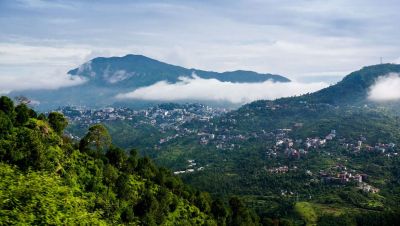
The Mahakali Valley runs through the eastern edge of Uttarakhand in Pithoragarh district, following the route of the Kali River, which is called the Mahakali in Nepal. This is not a crowded tourist belt. The scenery is dramatic, yes, but what makes the journey memorable is the mix of mountain villages, river confluences, suspension bridges, border trade history, and a way of life that still feels closely tied to the land.
Jauljibi, the best-known town in this region, sits at the confluence of the Kali and Gori rivers. For generations, it has been an important trading point linking India and Nepal. Even today, the town carries that borderland energy: bazaar streets, local produce, woollens, hardware, and a practical, working-town feel rather than a polished holiday resort vibe. If you enjoy travel that feels real and rooted, this is the right kind of destination.
Where Mahakali Valley and Jauljibi are located
Jauljibi is in Pithoragarh district, in the eastern Kumaon region of Uttarakhand. It is roughly 20-25 km from Dharchula by road, and around 85-95 km from Pithoragarh town, depending on the route and road conditions. The drive is scenic but can be slow because mountain roads in this part of Uttarakhand are narrow and winding.
The Mahakali Valley stretches south and north along the river corridor, with important stops such as Dharchula, Tawaghat, and the routes leading toward the upper valleys near the border. Some roads ahead may require special permissions or may remain open only seasonally, so it is wise to check locally before making detailed plans.
Best time to visit and what each season feels like
The best months for most travellers are March to June and September to November. In these periods, roads are generally more manageable, skies are clearer, and river views are at their best. Summer here is milder than the plains, making it a good escape from heat.
March to June is ideal if you want pleasant daytime weather for driving, sightseeing, and village walks. September to November is excellent after the monsoon, when the hills look fresh and visibility is usually good. Winter, from December to February, can be cold in the higher stretches, and some travellers may find early mornings and nights quite sharp.
The monsoon months, especially July and August, can bring rain, slippery roads, and occasional disruptions. If you travel then, keep buffer time in hand and avoid tight connections. Always confirm current road conditions locally before you set out, because mountain weather changes plans quickly.
How to reach Jauljibi and the Mahakali Valley
The nearest practical railhead for long-distance travellers is usually Kathgodam, though many visitors combine train and road travel by staying overnight in Pithoragarh or nearby towns. From Kathgodam, the road journey to Pithoragarh can take around 8-10 hours, depending on stops and traffic. From Pithoragarh to Jauljibi, expect about 3-4 hours by road, again depending on conditions.
The nearest airport is Pantnagar Airport, but flight schedules and onward road travel still make this a multi-leg trip. In practical terms, many travellers from Delhi prefer an overnight train to Kathgodam and then a taxi or shared vehicle onward.
If you are self-driving, be prepared for ghat roads, fuel stops that are not always frequent, and long stretches where the scenery is beautiful but the speed is low. Start early in the day and avoid night driving in unfamiliar hill sections.
What to see in and around Jauljibi
The confluence of the Kali and Gori rivers
This is the main attraction in Jauljibi. The meeting point of the two rivers gives the town its identity and its importance. Spend time here in the morning or late afternoon when the light is softer and the river colours are easier to appreciate. It is a good place to simply sit, watch local movement, and understand how geography shapes daily life.
The Jauljibi market area
The bazaar is not large, but it is useful and interesting. You will see everyday trade, local goods, woollens, household items, and mountain produce. If you like observing how a border town works, this market gives you that experience without needing any special plan.
Nearby river valley drives
Short drives from Jauljibi toward Dharchula or other nearby villages show you the wider Mahakali landscape. Expect cliffside roads, river bends, and small settlements where terraced fields cling to slopes. Even a 20-30 km drive can feel eventful here because every curve opens a fresh view.
Dharchula for a fuller valley experience
Dharchula is worth including if you have an extra day or two. It is one of the most important towns in the region and gives you a broader sense of the border valley, with river views, local markets, and access to further routes into the mountains. Many travellers use Dharchula as a base before returning to Jauljibi or Pithoragarh.
A practical itinerary for 2 to 4 days
If you are short on time, a focused trip works best. Here is a simple plan that keeps travel realistic and does not overpack your days.
| Duration | Suggested plan | Best for |
|---|---|---|
| 2 days | Reach Pithoragarh or Dharchula, visit Jauljibi, explore the confluence and market, return or stay overnight | Weekend-style extension |
| 3 days | Pithoragarh to Jauljibi, overnight in Dharchula or Jauljibi, local valley drive next day | First-time visitors |
| 4 days | Base in Pithoragarh or Dharchula, include Jauljibi, nearby villages, and a relaxed return | Travellers who want slower exploration |
For most visitors, a 3-day trip is the sweet spot. It gives enough time to handle the road journey without rushing. If you have only 2 days, keep the trip simple and do not try to cover too many places.
Where to stay and what kind of budget to expect
Accommodation in and around Jauljibi is basic but functional. You will find small guesthouses, lodge-style stays, and local hotels in nearby towns like Dharchula and Pithoragarh. Rooms are usually best booked in advance during holidays, local fairs, and summer travel months.
For a realistic budget, expect approximately ?1,200-?2,500 per night for simple stays, and ?2,500-?4,500 per night for cleaner mid-range options with better views or included meals. If you want a more comfortable experience, Pithoragarh may offer a wider range of choices than Jauljibi itself.
Food is usually straightforward and local. Expect simple meals such as dal, rice, roti, seasonal vegetables, and tea. A daily food budget of ?500-?1,200 per person is realistic for most travellers, depending on where you eat and whether your stay includes meals.
Local culture, festivals, and what to keep in mind
This part of Uttarakhand has a strong Kumaoni identity, along with influences from border trade and neighbouring regions. People are generally practical and used to travellers passing through, but the atmosphere is not touristy in the usual sense. A respectful, low-key approach goes a long way.
If your timing matches local fairs or seasonal gatherings in the region, you may see the valley at its busiest and most social. These events can be excellent for photography and cultural experience, but also mean higher demand for rooms and transport. Confirm dates locally, because fair schedules may change from year to year.
Dress modestly, carry cash in small denominations, and keep ID proof handy. Mobile coverage can vary in some stretches of the valley, so do not depend fully on maps or online payments.
What to pack for a trip to Mahakali Valley and Jauljibi
- Light woollens, even in summer, because mornings and evenings can be cool
- Comfortable walking shoes with good grip for market lanes and uneven roads
- Power bank, torch, and basic medicines
- Cash, since digital payments may not work everywhere
- Water bottle and snacks for long road sections
- Rain protection if you are travelling between July and August
If you are travelling by road from the plains, start early and keep your schedule flexible. Mountain driving here is beautiful but not something to rush.
Frequently Asked Questions
Is Jauljibi worth visiting on its own?
Yes, especially if you like quiet river towns and local markets. It is not a flashy destination, but it has character and a strong sense of place. Most travellers enjoy it more as part of a wider Mahakali Valley trip than as a standalone stop.
How many days do I need for Mahakali Valley and Jauljibi?
A 3-day trip is usually enough for a comfortable first visit. If you only want to see Jauljibi and the river confluence, 2 days can work. For a slower trip with Dharchula and nearby valley drives, 4 days is better.
Is the road to Jauljibi safe for family travel?
Yes, many families travel in this region, but you should be prepared for mountain-road conditions. Choose daylight travel, keep buffer time, and avoid driving late at night. If anyone in the group gets motion sickness, carry tablets approved by a doctor.
Can I visit in the monsoon?
You can, but it is not the easiest season. Rain can affect road safety and increase travel time significantly. If monsoon is your only option, keep plans flexible and check road updates before every leg of the journey.
Are there ATMs and mobile networks available?
You may find basic facilities in larger nearby towns, but not everything is guaranteed in every stretch. Network coverage can be patchy, and ATMs may be limited or out of service. Carry enough cash for transport, food, and stay.
Is this region suitable for older travellers?
Yes, as long as the travel plan is comfortable and not rushed. Older travellers usually do better with a private vehicle, shorter daily distances, and stays in towns like Pithoragarh or Dharchula. Avoid too many transfers in one day.
Conclusion
Mahakali Valley and Jauljibi are for travellers who want Uttarakhand without the noise of overdone tourist circuits. The rivers, road journeys, market life, and borderland setting create a trip that feels grounded and memorable. If you plan it with enough time and flexibility, this corner of Kumaon can become one of your most rewarding mountain journeys.
If this guide helped you plan better, share the post with someone who would enjoy a quieter side of Uttarakhand.
Disclaimer : The information provided in this blog is for general informational purposes only. While we strive to keep the content accurate and updated, TravelSetu assumes no liability for errors or omissions. If you believe any part of this blog infringes your rights or causes concern, please notify us immediately at info[at]travelsetu[dot]com so that appropriate action can be taken.