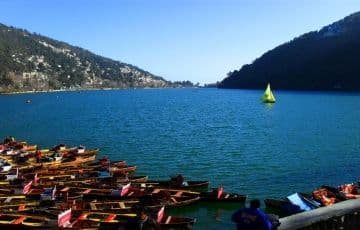
If you are planning a serious mountain trip in Uttarakhand and want something quieter than the usual tourist circuit, Malari Village in the Niti Valley deserves your attention. This guide is for travellers who want a realistic idea of how to reach it, when to go, what to expect on the road, and how to plan a comfortable stay without guessing on the basics.
Malari is not a casual weekend destination. It sits deep in the high Himalayas of Chamoli district, close to the upper reaches of the Niti Valley, and the journey itself is part of the experience. By the time you finish this article, you will know how to fit Malari into a sensible Uttarakhand itinerary, what costs to budget for, and how to travel responsibly in a fragile border-area landscape.
Where Malari Village is and why travellers go there
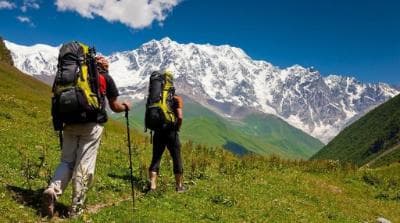
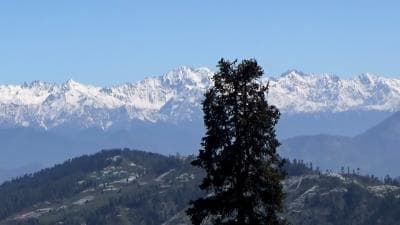
Malari Village lies in the Niti Valley of Chamoli district in Uttarakhand, on the road that leads beyond Joshimath toward the Indo-Tibetan border region. The village is known for its stark mountain setting, traditional Himalayan homes, and close connection to the old trans-Himalayan trade route. At this altitude, the scenery feels remote and raw, with a strong sense of open sky, river valleys, and snow-fed mountains.
Travellers usually come here for three reasons. First, they want a quieter Himalayan village experience away from the crowded tourist centres. Second, they are interested in the cultural and historical character of the Niti side of Chamoli. Third, many use Malari as part of a longer high-altitude road trip that includes Joshimath, Tapovan, Vishnuprayag, and the broader border belt of Uttarakhand.
How to reach Malari Village from major Uttarakhand gateways
The nearest major base is Joshimath, which is roughly the last substantial town before the Niti Valley road climbs further into remote terrain. From Joshimath to Malari, the drive is long, winding, and heavily dependent on weather and road conditions. The distance is commonly around 80-90 km, and the journey can take 5-7 hours or more, especially if the road is under repair or traffic is slowed by landslides.
If you are coming from Dehradun, Haridwar, or Rishikesh, first travel to Joshimath. From Rishikesh, the road distance is roughly 250-270 km and usually takes 9-12 hours by road, often split over two days for comfort. From Dehradun, add a little more time depending on traffic and your chosen route. Many travellers stop overnight at Rudraprayag, Karnaprayag, or Joshimath before continuing higher up.
Travel options you can realistically use
- Private taxi: The easiest option for Malari. Expect roughly Rs.6,500-Rs.12,000 or more from Joshimath depending on vehicle type, season, and road conditions.
- Shared transport: Limited and less predictable in the Niti Valley side. Useful only if you are flexible with time.
- Self-drive: Possible for experienced mountain drivers, but only if you are comfortable with narrow roads, sharp bends, and slow progress.
Road conditions in this region change quickly, so always confirm with local hotel owners, taxi operators, or the district administration before you set out. In monsoon and early winter, landslides or snow can affect access.
Best time to visit Malari Village
The best time to visit Malari is generally May to June and September to October. These months usually offer clearer roads, better visibility, and more comfortable daytime travel. Days are cool even in summer, while nights can still be cold enough to need proper winter layers.
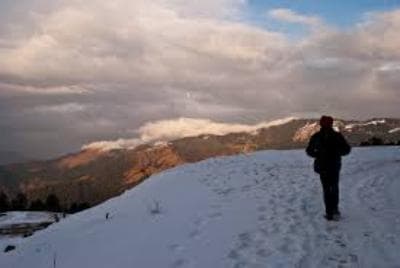
July and August are less reliable because of rain, slippery roads, and landslide risk in the broader Uttarakhand hills. Travel is still possible in some stretches, but you should be prepared for delays. November to April can be very harsh, with heavy cold and possible snow-related access issues in the upper valley. If your goal is comfort and reliable movement, avoid planning too late into the season.
| Season | Travel comfort | What to expect |
|---|---|---|
| May-June | High | Clear roads, pleasant days, cold nights |
| July-August | Moderate to low | Rain, landslide risk, delays likely |
| September-October | High | Clear skies, excellent mountain views |
| November-April | Low | Severe cold, possible road restrictions |
What Malari feels like on the ground
Malari is a place where the pace slows down naturally. You will not find a long list of cafes, adventure operators, or souvenir shops. Instead, you get mountain silence, local homes, a close community atmosphere, and a landscape shaped by altitude and seasons. The village feels especially meaningful if you enjoy places where daily life still moves at a measured Himalayan rhythm.
The air is thin, so even simple walking can feel more tiring than expected. If you are coming from low altitude, plan your arrival carefully, hydrate well, and avoid rushing around on your first day. A relaxed approach works better here than a packed schedule.
Things to do in and around Malari Village
There are no flashy attractions in Malari, and that is exactly why many people like it. The charm lies in slow exploration, local interaction, and the broad Niti Valley scenery. Keep your expectations practical and you will enjoy the place more.
Walk through the village
Take time to walk through Malari itself. The stone-and-wood architecture, terraced patches, and high-altitude setting make even an ordinary stroll feel different from a mainstream tourist stop. A gentle walk is also the best way to acclimatise after a long road journey.
Watch the valley light change
Morning and late afternoon are the best times for views. The mountains often change colour quickly, and the open valley lets you notice light and shadow moving across the slopes. If you enjoy photography, keep your camera ready, but also spend some time without it.
Explore the wider Niti Valley route
Depending on road access and permissions, travellers often continue toward Niti village or use Malari as part of a broader Chamoli itinerary. The road beyond becomes more restricted and conditions vary, so do not assume you can simply keep driving. Check locally before extending the trip.
Talk to locals respectfully
Border-area villages in Uttarakhand often have their own customs, seasonal routines, and practical concerns. A polite conversation can teach you a lot about the valley, the weather, and local life. Ask before taking photos of people or private homes.
Where to stay and what kind of food to expect
Accommodation in and around Malari is limited and basic. You are more likely to find simple guesthouses, homestays, or small local stays than large hotels. Rooms often cost around Rs.1,000-Rs.2,500 per night, depending on the season, heating arrangement, and availability. In peak travel periods, prices may rise, so it is worth booking ahead through a reliable local contact.
Food is usually home-style and uncomplicated. Expect simple Indian meals such as dal, rice, roti, sabzi, and tea. In some places, you may get local mountain preparations depending on the homestay. Food costs are usually modest, around Rs.200-Rs.500 per meal, but options are limited, so do not arrive expecting a wide menu or late-night service.
Carry a few essentials with you: drinking water, medicines, glucose biscuits, personal toiletries, and some packaged snacks. At higher altitude, small comforts go a long way.
Suggested itinerary for a Malari trip
If you want to visit Malari without making the journey feel rushed, plan at least a 3-4 day Uttarakhand trip. A shorter plan is possible, but it is more tiring and less forgiving of road delays.
- Day 1: Reach Joshimath from Rishikesh, Haridwar, or Dehradun. Stay overnight in Joshimath.
- Day 2: Drive from Joshimath to Malari, check into a homestay, and spend the afternoon exploring the village.
- Day 3: Use the morning for village walks and nearby valley views, then return to Joshimath or continue if your route permits.
- Day 4: Travel back toward Rishikesh or add a stop at another Chamoli destination if your schedule allows.
This kind of pacing is more realistic than trying to do everything in one long drive. It also gives you backup time in case the mountain road slows you down.
Permits, weather checks, and travel safety
Because Malari lies in a sensitive border region, permit rules and access conditions can change. Depending on current regulations, Indian travellers may need to show valid ID and may be asked about route plans. Foreign travellers may face additional restrictions. Before you travel, confirm the latest local rules with official sources, your hotel in Joshimath, or the district administration. Do not rely on old internet posts for this part.
Weather is another serious factor. If rain, snowfall, or road damage is reported, it is better to delay than to push through. Mobile connectivity can be patchy, and fuel stations are not plentiful at higher stretches, so fill up in Joshimath. Also keep cash in hand, because digital payments may not always work reliably.
Practical packing list
- Warm jacket, gloves, cap, and layered clothing
- Comfortable walking shoes with good grip
- Basic medicines, motion sickness tablets, and personal prescriptions
- Power bank, torch, and extra batteries
- Snacks, water bottle, and ID proof
How much a Malari trip may cost
A budget for Malari depends heavily on where you start and whether you hire a private vehicle. As a rough working estimate, a couple or small group can expect the following:
- Joshimath stay: Rs.1,500-Rs.4,000 per night for a decent room
- Malari homestay: Rs.1,000-Rs.2,500 per night
- Local meals: Rs.200-Rs.500 per person per meal
- Private taxi from Joshimath to Malari and back: Rs.6,500-Rs.12,000+
These are indicative figures only. Costs can shift based on season, road access, vehicle demand, and available accommodation. If you are travelling in a group, the per-person cost becomes much more manageable.
Frequently Asked Questions
Is Malari Village safe for first-time mountain travellers?
Yes, if you plan carefully and keep your expectations realistic. The road is the main challenge, not the village itself. First-time travellers should avoid rushing, travel in daylight, and stay one night in Joshimath before going higher.
Can I visit Malari in winter?
Sometimes, but it is not the easiest or safest season. Snow, freezing temperatures, and road disruption can affect access. If you are not experienced with high-altitude winter travel, choose May-June or September-October instead.
How many days do I need for Malari?
A minimum of 3 days is sensible if you are starting from Rishikesh, Haridwar, or Dehradun. This allows one night at Joshimath, one night in or near Malari, and enough flexibility for road delays. For a slower trip, 4 days is better.
Are hotels easily available in Malari?
No, the accommodation base is limited. You will usually find simple homestays or basic guesthouses rather than full-scale hotels. It is wise to book in advance, especially in the summer season.
What should I keep in mind about altitude?
Malari is at high altitude, so some travellers may feel breathless or tired. Move slowly, drink enough water, and avoid alcohol on arrival day. If you have a medical condition, speak to your doctor before planning the trip.
Can I combine Malari with other Uttarakhand destinations?
Yes, and that often makes the journey more worthwhile. Many travellers combine it with Joshimath, Auli, Tapovan, or other Chamoli stops depending on time and road conditions. Just keep the itinerary flexible because the mountains do not always follow your schedule.
Final thoughts
Malari Village in Niti Valley is for travellers who value silence, scenery, and the honesty of a high-altitude Himalayan road journey. If you plan it well, travel in the right season, and keep your expectations grounded, it can become one of the more memorable parts of your Uttarakhand trip.
If this guide helped you plan your journey better, please share this post with someone who is considering a trip to Malari Village in Uttarakhand.
Planning a Uttarakhand trip?
Tell us your dates and who is travelling. Up to three local travel companies send you their itinerary and price.
Get free quotesDisclaimer: The information in this blog is for general information only. We try to keep it accurate and up to date, but TravelSetu accepts no liability for errors or omissions. If you believe any part of it infringes your rights, please write to info@travelsetu.com.