If you are planning a trip to Chopta and want a practical route guide from the base side of Uttarakhand, this article is for you. The Mandal and Chopta approach is one of the most useful ways to understand how to reach the region, what the road journey feels like, and where to stop, stay, and start your trek plans with less guesswork.
You will come away with a clear idea of the drive from Rishikesh or Haridwar, the road conditions beyond Rudraprayag, the best seasons to travel, and how Mandal fits into the larger Chopta itinerary. This is especially helpful if you are coming from Delhi, Dehradun, or other North Indian cities and want a trip that feels organised rather than rushed.
Why Mandal and Chopta matter together
Chopta is often described as a hill station, but in practical travel terms it is better seen as a high-altitude meadow zone and trail base in the Rudraprayag district of Uttarakhand. Mandal, on the other hand, is a small but important road-side settlement used by many travellers as a gateway point for the Chopta belt and nearby villages.
When people say “Mandal and Chopta approach,” they are usually talking about the road approach that leaves the main Char Dham corridor and climbs toward Chopta, Tungnath, and Deoria Tal. Mandal may also come up as a stopping point for food, short breaks, or as a location for budget stays if Chopta itself is full or expensive during peak months.
Where Mandal and Chopta are located in Uttarakhand
Mandal lies on the road network in the Rudraprayag side of the Garhwal region. Chopta is further uphill from the main roads, around the route that connects Ukhimath, Duggalbitta, and the Chopta meadows. Depending on where you are starting from, you will usually pass through major points like Rishikesh, Devprayag, Srinagar, Rudraprayag, Agastmuni, Ukhimath, and then move toward the Chopta turn-offs.
From Rishikesh to Chopta, the road distance is roughly 200-220 km, and the drive usually takes 8-10 hours in normal conditions. From Rudraprayag, expect around 70-90 km and 3-4.5 hours, depending on traffic, road work, and weather. If you are approaching from Mandal side roads, plan for slower travel because mountain driving always takes longer than map apps suggest.
Best routes to reach Mandal and Chopta
Route from Delhi
The most common road route from Delhi is Delhi to Rishikesh or Haridwar, then onward through Srinagar and Rudraprayag to Ukhimath and Chopta. This is usually a 2-day drive if you are self-driving or using a private cab. The full distance is around 430-470 km to Chopta depending on the exact starting point in Delhi.
A comfortable plan is to break the journey at Rishikesh, Srinagar, or Rudraprayag. If you start very early from Delhi, you can reach Rishikesh the same day, then continue uphill the next morning. That gives you better road safety and less fatigue for the final climb to Chopta.
Route from Rishikesh and Haridwar
From Rishikesh, the road usually goes through Devprayag, Srinagar, Rudraprayag, Agastmuni, and Ukhimath before entering the Chopta approach roads. Haridwar adds a little more time, but the practical route is similar. This stretch is scenic, but it also has narrow bends, local traffic, and occasional construction delays, so leave early.
Route from Dehradun
If you are starting from Dehradun, first head toward Rishikesh and then continue along the same mountain route. The drive from Dehradun to Chopta is typically a full-day road journey of around 250-280 km. Many travellers start after breakfast and stop overnight in Rudraprayag or Ukhimath rather than pushing through in one stretch.
What the road journey is really like
The approach to Chopta is beautiful, but it is not a fast highway drive. Once you leave the wider plains roads, the route becomes a mix of hill climbs, sharp bends, village stretches, and occasional patches where the road narrows. During winter or monsoon months, you may also face fog, slush, or temporary slowdowns because of repairs.
If you are traveling by self-drive car, a sedan can manage the route in most seasons, but you should drive carefully and avoid night driving in the hills. An SUV gives a little more comfort on rough patches, especially if you are carrying luggage or traveling with family. For taxis, negotiate the fare clearly in advance and confirm whether waiting charges, tolls, and driver stay are included.
| Starting Point | Approx. Distance to Chopta | Approx. Travel Time | Typical Break Point |
|---|---|---|---|
| Delhi | 430-470 km | 12-15 hours, usually split over 2 days | Rishikesh or Rudraprayag |
| Haridwar | 240-280 km | 9-11 hours | Srinagar or Rudraprayag |
| Rishikesh | 200-220 km | 8-10 hours | Ukhimath |
| Rudraprayag | 70-90 km | 3-4.5 hours | Ukhimath or Chopta |
When to plan the Mandal and Chopta approach
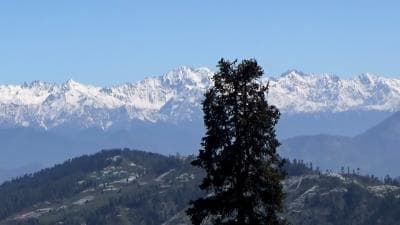
The best time for this route depends on what you want from the trip. March to June is the easiest window for road travel, with pleasant daytime temperatures and clear views on most days. September to November is another excellent season, especially if you want crisp air and strong mountain visibility.
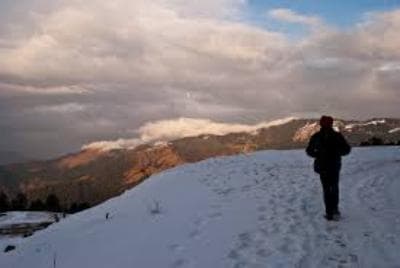
Monsoon travel, usually July to early September, needs extra caution. The roads can become slippery, and landslides or road closures are more likely in the broader Garhwal region. Winter from December to February brings snow possibilities around Chopta and higher patches, which can be lovely if you are prepared, but you should check road status before you leave. In winter, local stays may also be fewer and more basic, and carrying proper shoes and warm layers becomes essential.
Where to stay on the way and near Chopta
If you want to keep the trip relaxed, stay in one of the base areas rather than trying to reach Chopta late at night. Rudraprayag offers a wide range of hotels and guesthouses, usually around Rs.1,500-Rs.4,000 per night for decent mid-range options. Ukhimath often works well for travellers who want a quieter overnight stop before going further uphill, with many stays in the Rs.1,200-Rs.3,500 range.
Near Chopta, stays can be simpler and more seasonal. Expect camps, cottages, and homestays in the Rs.2,000-Rs.6,000 range depending on the month, meal plan, and heating arrangements. In peak periods like long weekends, summer holidays, and New Year, prices may rise and availability may shrink quickly, so it is wise to book early and confirm what is included.
Mandal can be useful if you want to break the drive, eat without entering the busier tourist pockets, or access local-side stays. It is not as developed as larger hill stations, so expect a practical rather than luxury experience.
Food, fuel, and essentials on the route
You will find basic dhabas, tea stalls, and small restaurants along the main road from Rishikesh onward, especially in towns like Srinagar, Rudraprayag, and Ukhimath. Meals are usually simple North Indian fare: parathas, rajma-chawal, dal, roti, maggi, tea, and snacks. Budget about Rs.300-Rs.700 per person for meals in a day if you are not staying on a full-board plan.
Fuel up before heading into the upper stretch. There are fuel stations in the larger towns, but once you move deeper into the Chopta side, services become more limited. Carry cash as well, because digital payments are not always reliable in remote pockets. It also helps to carry medicines, a power bank, drinking water, and some dry snacks for long road stretches.
Chopta from Mandal: what to expect after the road ends
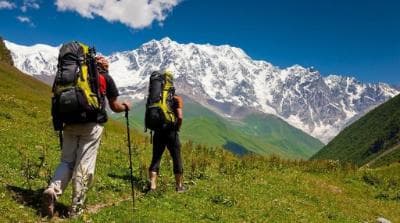
Once you move past the main approach roads, Chopta becomes the base for some of the region’s best-known short treks. Tungnath is the most famous, and the trek from Chopta to Tungnath temple is roughly 3.5-4 km one way. If you continue further to Chandrashila, add another 1.5 km or so uphill from Tungnath.
Deoria Tal is another popular outing in the broader region, though it is accessed from Sari village rather than directly from Chopta. Many travellers combine both areas in one trip: one night around Chopta, then one night near Sari or Sari village side. If you are short on time, even a 2-night plan can give you a satisfying introduction to this part of Uttarakhand.
Sample itinerary for a short trip
- Day 1: Reach Rudraprayag or Ukhimath from Delhi, Haridwar, or Rishikesh and stay overnight.
- Day 2: Drive to Chopta via the Mandal-side approach, check in, and take an easy evening walk.
- Day 3: Start early for Tungnath and Chandrashila, then return or continue to another Uttarakhand stop.
If you have one extra day, you can slow the pace and avoid rushing the trek. That is often the smarter choice because mountain weather can change quickly, and a flexible schedule makes the trip much more enjoyable.
Frequently Asked Questions
Is Mandal the main route to Chopta?
Mandal is one of the route points people refer to when discussing the Chopta approach, but it is not the only important gateway. Most travellers actually reach Chopta through the larger road network via Rishikesh, Rudraprayag, and Ukhimath. The exact approach you take depends on where you are coming from and which road-side stay works best.
Can I drive my own car to Chopta?
Yes, most visitors reach Chopta by private car, and many do the drive successfully each season. You should, however, be comfortable with hill driving, narrow stretches, and occasional traffic delays. Avoid night driving if possible, especially in winter or during the monsoon.
Is Chopta suitable for a family trip?
Yes, Chopta can work well for families if you plan the road journey sensibly and choose a comfortable stay. Keep the itinerary short, allow enough rest time, and avoid overloading the schedule with too many treks in one day. Families with elderly travellers should be especially careful about altitude, cold, and long road hours.
What is the budget for a Chopta trip from Mandal or nearby base points?
For a modest 2-3 day trip, you can plan roughly Rs.6,000-Rs.12,000 per person if you are sharing transport and staying in simple accommodation. A private cab, better rooms, and meal plans can raise the budget to Rs.15,000 or more per person depending on group size and season. Always confirm current rates before booking because prices change with demand.
Is snow guaranteed in Chopta during winter?
No, snow is never guaranteed on fixed dates because it depends on weather patterns each year. Some winters bring good snow cover in December, January, and February, while other years may be lighter. If snow is important to your plan, keep your dates flexible and check local updates before travelling.
Do I need any permit for Chopta?
In many cases, casual tourists do not need a special permit just to visit Chopta, but rules can change depending on local administration and trekking areas. If you are trekking to specific forest or protected zones, there may be entry charges or local formalities. It is best to confirm the latest requirement before you leave.
Final thoughts
The Mandal and Chopta approach is all about smart planning: choosing the right season, breaking the drive at the right point, and keeping your expectations practical for a mountain road trip. If you travel with a little patience, this route gives you a rewarding mix of scenery, temple-town culture, and access to some of Uttarakhand’s most enjoyable short treks.
Share this post with anyone planning a Chopta trip from Delhi, Rishikesh, or Haridwar.
Planning a Uttarakhand trip?
Tell us your dates and who is travelling. Up to three local travel companies send you their itinerary and price.
Get free quotesDisclaimer: The information in this blog is for general information only. We try to keep it accurate and up to date, but TravelSetu accepts no liability for errors or omissions. If you believe any part of it infringes your rights, please write to info@travelsetu.com.