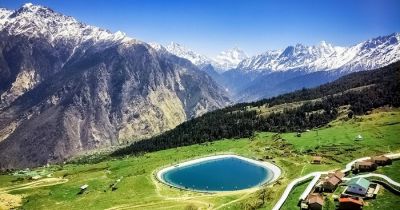
Nachni and Thal Villages
If you are planning a quieter Uttarakhand trip and want to go beyond the usual hill stations, Nachni and Thal can be a rewarding pairing. These Kumaon villages and their surrounding belt suit travellers who enjoy slow roads, mountain views, local markets, and a more grounded experience of village life.
This guide will help you understand where Nachni and Thal fit into an Uttarakhand itinerary, how to get there, when to go, what to expect, and how to plan a comfortable trip without overcomplicating it. The focus here is practical: roads, stays, food, travel time, and the kind of pace that works best in the hills.
Why Nachni and Thal deserve a place on your Uttarakhand itinerary
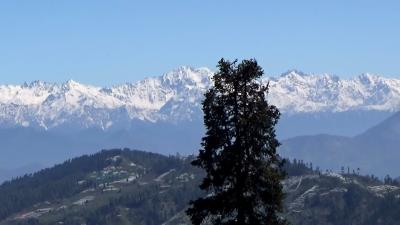
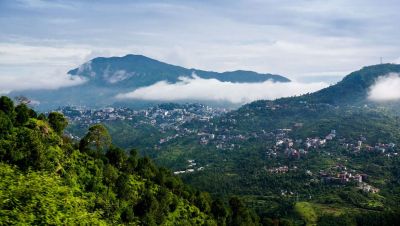
Nachni and Thal are best treated as part of a larger Kumaon road trip rather than as standalone “sightseeing” destinations. You come here for mountain landscapes, village walks, and a slice of rural Uttarakhand that feels authentic and unhurried. The charm lies in the everyday: terraced fields, small temples, local tea stalls, and views that change with the light.
Thal is better known as a local stop and market area in the Pithoragarh side of Kumaon, while Nachni is one of the villages in the wider belt around it. For many travellers, the real pleasure is in driving through the region, stopping for tea, talking to locals, and using these villages as a base for nearby explorations. If you enjoy offbeat travel, this is the kind of place that gives you room to breathe.
Where Nachni and Thal are located in Uttarakhand
Both places fall in the Kumaon region of Uttarakhand, within the Pithoragarh district area. This is eastern Uttarakhand, far from the bustle of Dehradun and much quieter than the better-known hill towns. The roads here are mountain roads, so even short distances can take time.
If you are coming from Delhi, the trip usually begins with a drive or train journey to Kathgodam or Haldwani, followed by a road trip deeper into Kumaon. From Kathgodam to the broader Pithoragarh side, travellers typically allow 8 to 10 hours by road depending on route, traffic, and stops. Always keep buffer time, especially during monsoon or winter.
Best time to visit Nachni and Thal
The most comfortable months are usually March to June and September to November. During these periods, the weather is generally pleasant, skies are often clearer, and road conditions are usually better than in the peak monsoon months. If you enjoy crisp mornings and long views, autumn can be especially good.
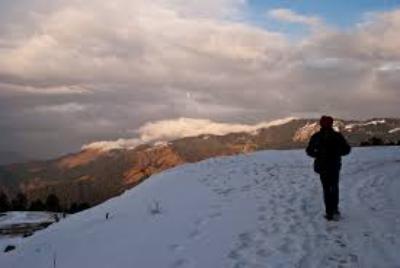
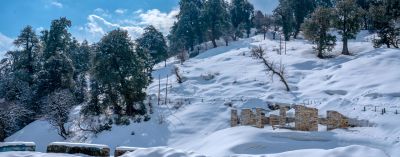
Winter can be cold, particularly in the evenings and early mornings, so pack warm layers if you travel between December and February. July to August is the monsoon season, and while the landscape becomes lush, landslides and road delays are possible. Plan conservatively if you travel then, and always check local road updates before setting out.
| Season | What to expect | Best for |
|---|---|---|
| March to June | Pleasant weather, green valleys, comfortable daytime travel | Road trips, village walks, relaxed sightseeing |
| July to August | Heavy rain, mist, possible road delays | Travellers who do not mind weather uncertainty |
| September to November | Clear views, fresh air, stable travel conditions | Photography, scenic drives, quiet getaways |
| December to February | Cold mornings and evenings, occasional frost in higher stretches | Travellers prepared for winter conditions |
How to reach Nachni and Thal
By train
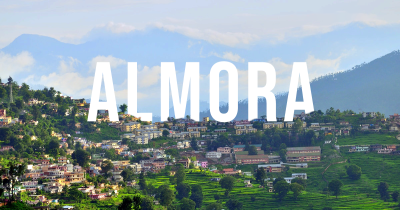
The nearest major railhead for most travellers is Kathgodam. From there, you will need to continue by taxi or shared road transport toward the Pithoragarh side. Depending on your exact route and road conditions, the drive can be long, so an overnight halt in a town like Almora, Bageshwar, or a nearby transit point may make the journey easier.
By road
Road travel is the main way to reach Nachni and Thal. Self-drive travellers should be prepared for ghat roads, sharp bends, and occasional narrow stretches. If you hire a taxi, ask for an experienced mountain driver and confirm whether the fare includes tolls, parking, and waiting time. Indicative taxi costs from Kathgodam or Haldwani into deeper Kumaon can range from ?4,500-?8,000 or more depending on vehicle type and exact distance; please confirm locally before booking.
By bus and shared transport
State buses and shared jeeps can take you to major stops in Kumaon, but connectivity to smaller village points may require one or more changes. This is practical if you are flexible and travelling light. If your schedule is tight, private transport is usually simpler.
What the trip feels like on the ground
Do not expect a packed tourist circuit here. Nachni and Thal are better experienced slowly, with time for walks, tea stops, and small detours. The landscape is part farmland, part forested slopes, and part scattered settlement, with daily life moving at a pace that many city travellers find refreshing.
Morning is usually the best time for views and village walks. By afternoon, clouds may gather and the light softens, which is good for photography but less ideal for long road transfers. Evenings are generally quiet, making them suitable for short strolls, local meals, and early nights.
Things to do around Nachni and Thal
- Walk through village lanes: This is the easiest way to observe local life, stone houses, fields, and everyday routines.
- Enjoy roadside tea stops: Small dhabas and tea stalls often become the best part of the journey.
- Visit nearby temples and local shrines: The Kumaon belt has many community temples that reflect local traditions.
- Drive through scenic connectors: Short drives in this region can be rewarding in themselves, especially in clear weather.
- Talk to residents and shopkeepers: You will learn more about the place from conversation than from a checklist.
- Use it as a base for nearby Kumaon exploration: Depending on your route, you can combine your stay with other Pithoragarh-side or Bageshwar-side stops.
If you like photography, carry a zoom lens or use your phone carefully for landscape frames, courtyard scenes, and sunrise shots. The area is also suitable for travellers who want to write, sketch, or simply sit with a view for a few hours. It is not about rush; it is about settling into the mountain rhythm.
Where to stay and what it may cost
Accommodation options in and around smaller Uttarakhand villages are usually limited compared with tourist towns, so book in advance if you are travelling in summer, during festivals, or on long weekends. You may find homestays, family-run guesthouses, and simple local lodges rather than full-service hotels. Comfort levels vary, so check for hot water, electricity backup, and meal options before confirming.
Indicative stay prices can range from ?1,200-?2,500 per night for basic stays to ?2,500-?4,500 per night for better homestays or cleaner private rooms with meals. If breakfast and dinner are included, the value is often better than booking room-only and searching for food later. Prices can change with season and demand, so treat these as broad estimates only.
What to eat in this part of Uttarakhand
Food is usually simple, home-style, and filling. In Kumaon, you may come across dal, seasonal vegetables, local rotis, rice, and dishes prepared with regional flavours that are less oily than typical highway fare. If a homestay offers local meals, take it seriously; that is often the most satisfying part of the stay.
Carry some snacks and medicines, especially if you have dietary restrictions or if you are travelling with children. In small villages, food timing can be more fixed than in tourist towns, so confirm meal hours when you check in. Bottled water is widely available in larger stops, but it is still wise to keep a reusable bottle and drink carefully.
Practical tips for a smooth trip
- Start early: Mountain roads are kinder in daylight, and you will have more margin for delays.
- Keep cash handy: Small shops and homestays may not always have reliable digital payment connectivity.
- Pack layers: Even in warm months, evenings can turn cool quickly.
- Travel light: Luggage is easier to manage on hilly roads and when changing vehicles.
- Check road and weather updates: This is especially important in monsoon and winter.
- Respect local customs: Dress modestly around villages and temples, and ask before photographing people.
If you are driving yourself, make sure your vehicle is serviced, brakes are in good condition, and the spare tyre is usable. Mobile network coverage can be patchy in some stretches, so download maps and keep offline directions where possible. A power bank and a physical note of key phone numbers are also useful.
A simple 2 to 3 day plan
A short trip works well for Nachni and Thal. On day one, reach your base, settle in, and take an easy walk around the village or nearby market. On day two, explore nearby roads, temples, and viewpoints, then spend the evening with local food and an early night. If you have a third day, use it for a relaxed return journey with a tea stop or two along the way.
If you have more time, you can combine this with a broader Kumaon loop that includes other Pithoragarh district places, or break the journey at an intermediate hill town to avoid road fatigue. That approach often makes the trip feel less like a transfer and more like a proper holiday.
Frequently Asked Questions
Are Nachni and Thal good for a family trip?
Yes, if your family enjoys quiet hill travel, simple stays, and low-key village experiences. They are better for relaxed travellers than for those looking for shopping streets or heavy sightseeing. Children and older travellers usually do well if the road journey is broken into sensible legs.
How many days are enough for Nachni and Thal?
Two to three days are enough for a short and comfortable trip. That gives you time for the journey, a village walk, some local food, and a nearby excursion without feeling rushed. If you are combining the visit with a larger Kumaon itinerary, you may stay longer.
Is it safe to travel here in the monsoon?
It can be done, but it is not the easiest time. Rain can cause slippery roads, reduced visibility, and delays due to landslides in hill districts. If you travel in monsoon, keep flexible timings, avoid night driving, and check local updates before each road leg.
What should I pack for this trip?
Pack layered clothing, comfortable walking shoes, a light rain jacket in monsoon, medicines, sunscreen, and a torch or power bank. If you are staying in a small homestay, carry basic toiletries and some cash as a backup. A printed or offline copy of your booking details is also useful.
Can I combine Nachni and Thal with other Uttarakhand destinations?
Yes, and that is often the smartest way to plan it. Depending on your route, you can combine the area with Kumaon stops such as Almora, Bageshwar, or other district-level centres before heading deeper into Pithoragarh. Keep travel times realistic because mountain distances are slower than they look on a map.
Are there luxury stays in this area?
Luxury options are limited in smaller village belts, so you should expect more homestays and modest guesthouses than high-end resorts. If you want premium comfort, look at larger nearby towns and use Nachni and Thal as a day-excursion or short-stay base. Always confirm amenities before booking, especially power backup and hot water.
Final thoughts
Nachni and Thal are for travellers who appreciate quiet roads, local life, and the slower side of Uttarakhand. If you plan well, keep your expectations realistic, and leave room for delays and detours, this corner of Kumaon can give you a trip that feels refreshing and personal.
Share this post with someone planning a calm Uttarakhand getaway.
Disclaimer : The information provided in this blog is for general informational purposes only. While we strive to keep the content accurate and updated, TravelSetu assumes no liability for errors or omissions. If you believe any part of this blog infringes your rights or causes concern, please notify us immediately at info[at]travelsetu[dot]com so that appropriate action can be taken.