If you are planning a serious mountain trip in Uttarakhand and want something quieter than the usual pilgrimage circuit, Niti Pass and the border villages beyond Joshimath deserve your attention. This route takes you into the high valleys of the Chamoli district, where stone houses, grazing grounds and military check-posts replace cafes and crowds, and where the last villages on the India-Tibet frontier still shape the rhythm of daily life.
This guide is for you if you want to understand how to reach the area, when to go, what is realistically open to travellers, where to stay, and how to plan a respectful trip without getting stranded by weather or permit issues. Niti Pass itself is a sensitive border zone, so the most useful trip plan is usually built around the villages and valleys below it, especially Niti, Malari, Gamshali and nearby settlements.
Where Niti Pass and the Border Villages Are
Niti Pass lies in the high Himalaya of Chamoli district, near the India-Tibet border, beyond the town of Joshimath. The road climbs from the Alaknanda valley into the Niti Valley, a side valley that runs northwards toward the frontier. For travellers, the more practical destinations are the villages along the route rather than the pass itself, because access closer to the border can be controlled by the authorities depending on current conditions.
The journey usually begins from Joshimath, which is the main base town for this region. From there, the road goes towards Tapovan, Badrinath and then turns into the interior valleys through smaller settlements such as Gamsali/Gamshali, Malari and Niti. Road conditions vary greatly by season, and landslides, snow and road repair work can affect travel time significantly.
Why You Should Consider This Route
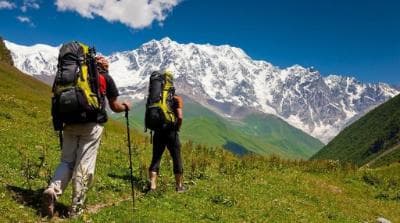
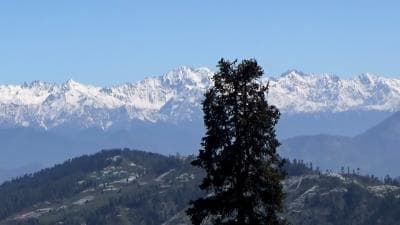
This is not a leisure road trip in the usual sense. The attraction lies in the scale of the mountains, the silence of the valleys and the chance to see a way of life that is directly tied to altitude, border geography and seasonal migration. You come here for long views of the Himalayan ridges, cold river water, village temples, high-altitude meadows and the experience of being far from the crowded temple towns.
Another reason to come is cultural. The Bhotiya communities of this region have traditions shaped by trade routes, animal grazing and life in extreme weather. Even in summer, many houses are built to handle long winters, and the villages feel designed for survival more than display. If you like places where the landscape and local life are deeply connected, this route offers that in a very real way.
How to Reach the Region
By Road from Dehradun, Haridwar or Rishikesh
The most common route is by road from Rishikesh or Haridwar to Joshimath, which is roughly 250-270 km from Rishikesh and can take 8-12 hours depending on traffic and road conditions. From Joshimath, the drive into the Niti Valley and border villages can take another several hours, even for relatively short distances, because the road is narrow, winding and prone to delays.
If you are coming by private car or taxi, it is better to start early and avoid night driving in the hills. Shared transport is possible up to Joshimath on some days, but beyond that, local shared jeeps are not always frequent or reliable, especially outside the main season.
Best Base Towns
Joshimath is the best base if you are planning a border-village circuit. It has basic hotels, homestays, fuel availability and food options. Govindghat can work if your trip is combined with the Valley of Flowers or Hemkund Sahib route, but Joshimath is more convenient for the Niti side. If you are short on time, spend the night in Joshimath and leave for the upper villages the next morning.
What to Expect on the Road to Niti Valley
The road becomes more dramatic after Joshimath. You will pass sections of steep slopes, river bends, landslide-prone stretches and forested areas that open into bare alpine terrain. Mobile network can be patchy, and small tea stalls or dhabas may appear and disappear with the season. The landscape changes quickly, so the route feels longer than the map suggests.
Travel times here are affected by road maintenance, army movement, weather and local access restrictions. A 40 km stretch can still take half a day if there is snow or a landslide. Plan your day loosely and avoid fixed onward commitments unless you have confirmed road status with local sources.
Border Villages Worth Knowing
| Village/Area | What It Is Known For | Traveller Notes |
|---|---|---|
| Niti | Last major village in the Niti Valley before the higher border region | Good for the sense of remoteness, but access nearer the pass may be restricted |
| Malari | Picturesque high-altitude village with traditional houses and grazing land | One of the most appealing stops for homestays and village walks |
| Gamshali | Quiet settlement on the route with mountain views and local culture | Useful as a stopover if you are moving slowly and want a less crowded stay |
| Joshimath | Gateway town for the whole region | Best for accommodation, food and route updates |
In many cases, your most meaningful experiences will happen in the villages, not at the pass itself. A village stay gives you time to walk around, talk to hosts, see terraced fields, and watch how the altitude shapes daily routines. It also keeps your trip more flexible if authorities restrict movement further uphill.
Best Time to Visit
The practical travel window is usually from late spring to early autumn, roughly May to October, though the exact opening and road condition can vary from year to year. Summer months from June to September can bring green valleys, but they also overlap with the monsoon, which means landslides and travel delays are common. September and early October often give you clearer skies and more stable road conditions, if the weather holds.
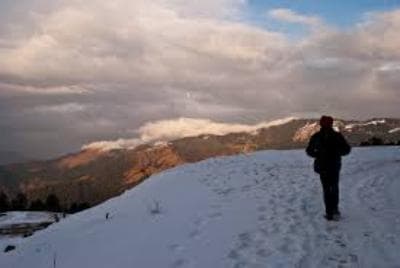
Winter travel is difficult because of snow, freezing temperatures and road closures in the upper reaches. Even if Joshimath remains accessible, the higher border villages may have limited access or reduced local movement. Always confirm current conditions with local accommodation owners, road authorities or your taxi operator before leaving.
Permits, Restrictions and Border Sensitivity
This is an important part of planning. Niti Pass is a sensitive border area, and civilian access can be restricted depending on current security and administrative rules. You should not assume that you can simply drive up to the pass at any time of year. In some stretches, you may need prior permission or may be stopped at check-posts if your movement is not allowed beyond a certain point.
For Indian travellers, the safest approach is to treat the trip as a border-zone visit and verify the latest access rules before setting out. Carry valid government ID, keep photocopies or digital copies handy, and be respectful at check-posts. If the authorities say a section is closed, do not argue or try to bypass it. The rules can change with weather, military requirements and local conditions.
Where to Stay and What It May Cost
Accommodation in Joshimath is the easiest to arrange, with budget hotels and guesthouses often in the range of Rs.1,200-Rs.3,000 per night, depending on season and room quality. In the border villages, homestays are usually the better option, and prices may range from Rs.1,000-Rs.2,500 per night, sometimes including simple meals. Higher-end facilities are limited, so keep expectations practical.
Food is usually basic and wholesome: dal, rice, roti, sabzi, Maggi, tea and local dishes when available. In remote stretches, do not rely on finding a restaurant whenever you want. Carry drinking water, glucose biscuits, dry fruits, ORS and a few packaged snacks, especially if you are travelling with children or older family members.
Suggested Itinerary for a Short Trip
- Day 1: Reach Joshimath from Rishikesh or Haridwar and stay overnight.
- Day 2: Drive towards Malari or Niti, stopping at villages and viewpoints as permitted, and stay in a homestay.
- Day 3: Explore the village, walk around the surroundings, then return to Joshimath or continue back down the valley.
If you have an extra day, you can move at a gentler pace and spend more time in one village rather than trying to cover too many places. This region rewards slow travel. A rushed trip often turns into a long car ride with very little time on foot, which is a shame in a valley like this.
What to Pack for the Trip
- Warm layers, even in summer, because evenings can get cold quickly
- Rain jacket or poncho during the monsoon months
- Power bank, torch and spare cash in small notes
- Basic medicines, altitude-related medication if prescribed, and personal first-aid items
- Valid ID proofs and photocopies
- Sturdy walking shoes with good grip
- Snacks and water for long road stretches
Do not pack as if you are going to a city. The weather can shift from sunny to cold within hours, and services may be sparse. If you are not used to high altitudes, take it easy on the first day and avoid overexertion.
Responsible Travel Tips
The villages near Niti Pass are not tourist props; they are living settlements close to a sensitive frontier. Ask before taking photographs of people, homes or military infrastructure. Keep noise low, avoid littering and do not wander off-road into fields or grazing areas without asking. Small courtesies matter more here than in mainstream tourist towns.
You should also respect local timing and movement patterns. Village life starts early, and people may be busy with cattle, crops or daily chores. A friendly greeting and a patient attitude go a long way. If a homestay host suggests an alternate route or tells you that a section is not advisable, follow that advice.
Frequently Asked Questions
Is Niti Pass open to tourists all year?
No, access is not guaranteed through the year. The pass and the upper border stretches may be restricted because of weather, snow or security considerations. Always check the latest local conditions before planning your trip.
Can I stay in Niti or Malari villages?
Yes, homestays are often available in these villages, though the number of rooms is limited. It is better to contact hosts or a local travel operator in advance, especially in the peak summer season. Joshimath remains the safest backup if village stays are full.
How difficult is the road to the border villages?
The road is motorable in many months, but it is narrow and can be affected by landslides, snowfall or repair work. Drive cautiously and avoid rushing. A journey that looks short on the map can take much longer than expected.
Do I need a permit for this trip?
You may need permission or may encounter access restrictions depending on how close you go to the border and what the current rules are. Carry valid ID and verify the latest requirements before departure. Do not rely on old advice, because rules can change.
What is the best season for clear views?
September and early October often offer better visibility and more comfortable temperatures than the monsoon months. May and June are also popular, but the weather can become less predictable later in the season. Winter travel is usually much more difficult.
Is this trip suitable for families?
Yes, if your family is comfortable with mountain roads, basic stays and flexible plans. It is better for families who enjoy quiet village experiences than for those looking for entertainment or shopping. Children and older travellers should be prepared for altitude and long driving hours.
Niti Pass and the border villages of Uttarakhand are for travellers who value landscape, silence and a sense of real mountain distance. If you plan carefully, respect the rules and keep your expectations grounded, this trip can become one of the most memorable journeys in the state.
If you found this guide useful, share it with someone planning a Uttarakhand trip.
Planning a Uttarakhand trip?
Tell us your dates and who is travelling. Up to three local travel companies send you their itinerary and price.
Get free quotesDisclaimer: The information in this blog is for general information only. We try to keep it accurate and up to date, but TravelSetu accepts no liability for errors or omissions. If you believe any part of it infringes your rights, please write to info@travelsetu.com.