Panchachuli Glacier Trek
If you are planning a mountain escape in Uttarakhand and want a trek that feels rewarding without being overly technical, the Panchachuli Glacier Trek is a strong fit. This route in the Kumaon region gives you alpine meadows, sharp Himalayan views, village culture, and a close look at the Panchachuli range, making it especially appealing for first-time Himalayan trekkers and those looking for a moderate adventure.
In this guide, you will find the best time to go, how to reach the base area, what the trail is like, realistic cost ranges, and practical tips for Indian travellers planning from Delhi, Dehradun, Kathgodam, or nearby cities. Keep in mind that trek conditions, permit rules, road access, and homestay tariffs can change, so it is always wise to confirm details before booking.
Why the Panchachuli Glacier Trek stands out in Uttarakhand
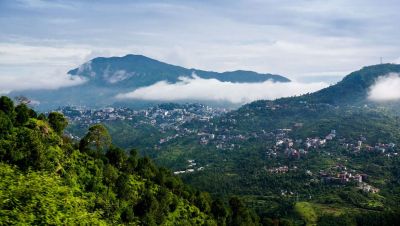
The Panchachuli Glacier Trek is part of the Darma Valley circuit in Pithoragarh district, far east of Uttarakhand. What makes it special is the combination of scenery and atmosphere: you move through traditional Kumaoni villages, forest stretches, river valleys, and high-altitude terrain with the Panchachuli peaks rising dramatically ahead of you. The trek is not just about the destination; the journey through villages like Dugtu and Dantu often becomes the most memorable part.
This trek suits travellers who want more than a casual hill trip but do not want to attempt a very high-altitude expedition. It is generally considered a moderate trek, though the altitude, weather, and long road journey to base points can make it tiring if you are short on time or fitness. For many travellers from Delhi NCR, it works well as a 7-10 day Uttarakhand holiday when combined with travel to and from the Kumaon region.
Best time to do the trek
The most reliable trekking windows are usually May to June and September to October. These months typically offer clearer mountain views, manageable trail conditions, and a lower chance of rain disruption than the monsoon period. In spring and early summer, the valleys are greener; in post-monsoon months, the skies are often cleaner and the views sharper.
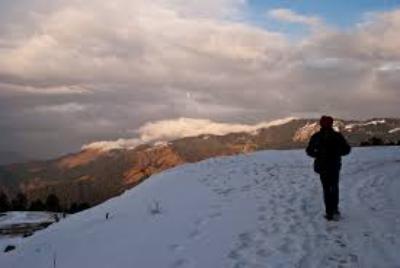
Winter is not ideal for most travellers because snowfall, icy sections, and road closures can make access difficult. July and August are usually risky due to rain, landslides, and road delays in Uttarakhand, especially in eastern mountain routes. If you are booking through a trek operator, ask specifically about the latest trail status and road conditions near Dharchula and beyond.
| Season | What to expect | Traveller fit |
|---|---|---|
| May-June | Clear weather, pleasant meadows, active snowmelt, good village views | Best for most trekkers |
| July-August | Heavy rain risk, landslides, slippery trail patches | Not recommended |
| September-October | Dry air, excellent visibility, cool nights | Very good for photography |
| November-April | Cold conditions, possible snow and road disruptions | Only for well-prepared trekkers with local guidance |
How to reach the base area
The trek is approached through Pithoragarh district, usually via Dharchula and then into the Darma Valley. If you are coming from Delhi, the usual route is by road or train plus road through Haldwani or Kathgodam, then onward to Pithoragarh and Dharchula. From Dharchula, road access depends on local conditions and administrative rules, so travellers should not assume that the same vehicle plan will work every season.
From Kathgodam to Dharchula, the road journey can take roughly 10-12 hours or more depending on traffic and stopovers. From Delhi, many travellers break the journey with an overnight halt in Haldwani, Almora, or Pithoragarh. If you are short on time, flying to Pantnagar and continuing by road is possible, but schedules and last-mile connectivity can still make the trip long.
For a comfortable plan, keep at least one buffer day in your itinerary. In the mountains of Uttarakhand, road delays are common, and the Darma Valley sector is remote enough that rushing is a bad idea. If you are travelling with family, a package that includes transfers, stays, and a local support team is often the safest choice.
What the trek experience feels like
Trail character and scenery
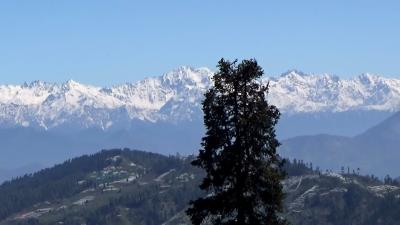
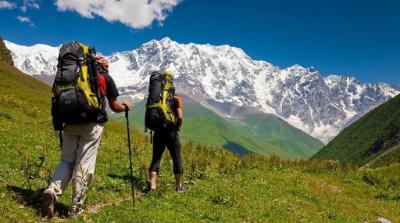
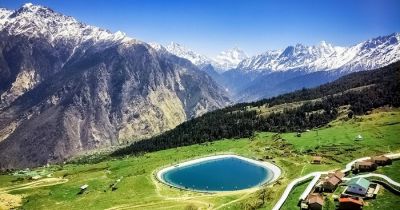
The Panchachuli Glacier Trek usually combines road travel, village walking, and trekking on mountain trails rather than a single continuous climb from a roadhead. You can expect pine and rhododendron zones at lower elevations, broad river valleys, wooden homes, and high meadow landscapes higher up. The views of the Panchachuli peaks become more dramatic as you gain altitude, especially in clear weather.
One of the strongest points of this trek is that it gives you a real sense of Kumaoni mountain life. Villages in the Darma Valley still retain a quiet, traditional rhythm, and you may see terraced fields, livestock, and local hospitality that feels very different from more commercial hill stations. This human side of the journey matters almost as much as the glacier viewpoint itself.
Altitude and fitness
While the exact itinerary varies by operator, trekkers should prepare for altitude gain and thinner air. This is not the place to arrive unprepared and expect to breeze through. A few weeks of walking, stair climbing, light jogging, or cycling before your trip can make the journey much easier. If you get breathless quickly at altitude, move slowly, hydrate well, and listen to your guide.
People who have done moderate Himalayan treks such as Kedarkantha or Dayara Bugyal often find this trek manageable, though the remote access can make it feel more serious. Beginners can do it too, provided they choose a sensible itinerary and do not push too hard on the first two days.
Typical itinerary outline
Different operators run different routes, but many Panchachuli Glacier Trek plans last around 6-9 days, including road transfers from a major Kumaon town. A practical structure is:
- Arrival in Kathgodam or Pithoragarh area and transfer toward Dharchula.
- Road journey deeper into Darma Valley with an overnight halt.
- Trek through villages and forests to higher camps or homestays.
- Glacier viewpoint or base exploration day, depending on conditions.
- Return through the same valley route with overnight breaks.
Some itineraries focus more on village stays and gradual acclimatisation, while others push for a shorter schedule. If you are not used to high altitude, choose the slower plan. It is better to spend an extra day in the valley than to spoil the trek by feeling sick or exhausted.
Cost, stay options, and what to budget
For Indian travellers, the budget depends on whether you are booking a guided package or arranging travel separately. A guided trek package for Panchachuli Glacier can often fall in the range of ?18,000-?35,000 per person for a small-group format, excluding personal shopping and some transit costs. Private custom trips may cost more, especially if they include private transport from Kathgodam or Delhi.
Stays in the region are usually basic but comfortable. In villages and small mountain centres, you may find homestays or simple guesthouses at around ?1,200-?2,500 per night, while better-located rooms or package-inclusive stays can go higher depending on season. Food on the trail is generally homely and simple, and packaged treks often include meals.
Here is a practical budget split to keep in mind:
- Transport from Delhi/Kathgodam: ?2,000-?6,000 per person depending on mode and sharing
- Trek package: ?18,000-?35,000 per person
- Personal gear rental: ?1,000-?3,000 if needed
- Extra buffer for delays and snacks: ?2,000-?4,000
These are indicative figures only. Local rates in Uttarakhand can change with season, road access, and group size, so ask for a fresh quotation before confirming your trip.
What to pack for the trek
Mountain weather in Pithoragarh district can shift quickly, so pack for cold mornings, cool evenings, and possible rain or snow patches depending on the season. Even in May or September, you should not assume the weather will stay stable throughout the day.
- Good trekking shoes with grip
- Warm layers, including a fleece and a down jacket
- Rain cover or poncho
- Reusable water bottle and ORS packets
- Cap, sunglasses, and sunscreen
- Basic medicines and personal prescriptions
- Power bank, torch, and extra batteries
- Light snacks such as dry fruits, energy bars, and glucose
If you are travelling in a group, divide essentials wisely so everyone is not carrying the same items. And do not overpack; long mountain transfers become uncomfortable when your daypack is too heavy.
Useful travel tips for Indian travellers
Start your journey early, especially if your route includes Kathgodam, Almora, or Pithoragarh. Mountain roads in Uttarakhand often become slower after dark, and late arrivals can affect your rest and acclimatisation. If possible, spend at least one night at a lower altitude before entering the trek section.
Mobile connectivity can be patchy in remote parts of Darma Valley, so inform family members in advance and download offline maps where possible. Keep some cash with you because ATMs and card machines may not be reliable once you move into smaller settlements.
Also remember that this region is culturally sensitive and environmentally fragile. Carry back your waste, respect village customs, and avoid loud behaviour at camps or homestays. Small courtesy goes a long way in Uttarakhand, especially in places where hospitality is personal and community-based.
Frequently Asked Questions
Is the Panchachuli Glacier Trek suitable for beginners?
Yes, it can be suitable for fit beginners, provided they choose a gradual itinerary and are comfortable with long travel to the base region. You should still prepare with basic cardio and walking before the trip. If you have no prior mountain experience, travel with a guide or an organised group.
How difficult is the trek?
The trek is usually considered moderate, not extreme. The trail is not highly technical, but altitude, cold weather, and the remote location increase the challenge. Good fitness and a steady pace matter more than speed.
What is the best month for clear mountain views?
September and October are often excellent for visibility after the monsoon, while May and June offer pleasant trekking weather. Exact conditions vary from year to year, so check local updates before finalising your dates. If photography matters to you, post-monsoon often works very well.
Can I do this trek from Delhi in a short holiday?
You can, but it will be a fairly packed itinerary. Most travellers from Delhi should plan at least 7-10 days including travel, because the approach to the Darma Valley is long. A rushed schedule can make the trip tiring and leave little room for weather delays.
Are permits required?
In remote border-adjacent areas of Uttarakhand, permit requirements and access rules can change based on administrative instructions. It is best to check with your trek operator, local authorities, or your hotel before travel. Do not assume that last season’s process is still valid.
Is there network connectivity on the trek?
Connectivity is limited and often unreliable once you move into remote sections. Some places may have occasional signal, but you should not count on regular internet access. Share your travel plan in advance and download all bookings offline.
Conclusion
The Panchachuli Glacier Trek is one of those Uttarakhand journeys that gives you more than just mountain views. It offers a mix of remote valley travel, village life, alpine scenery, and a sense of quiet that is hard to find on more crowded routes. If you plan carefully, keep your expectations practical, and allow enough time for the approach, this can become one of your most memorable Himalayan trips.
If you found this guide useful, share it with someone planning a Uttarakhand trek.
Disclaimer : The information provided in this blog is for general informational purposes only. While we strive to keep the content accurate and updated, TravelSetu assumes no liability for errors or omissions. If you believe any part of this blog infringes your rights or causes concern, please notify us immediately at info[at]travelsetu[dot]com so that appropriate action can be taken.