If you are planning a trip to Badrinath and want to understand the road beyond Joshimath, this guide is for you. It explains the Pandukeshwar and Badrinath route in a practical way, so you can plan your drive, stopovers, stay options, weather, and temple timing without guesswork. You will also get a clearer idea of where Pandukeshwar fits into a Badrinath yatra and why many travellers include it in their itinerary.
Why the Pandukeshwar and Badrinath Route Matters
The drive to Badrinath is not just about reaching one shrine; it is about moving through a high-altitude Himalayan corridor that changes character every few kilometres. Pandukeshwar is an important stop on this route, located before Badrinath and after the Joshimath side of the drive, and it often works well as a halt for pilgrims and road travellers. For many Indian families, this route becomes part of a Char Dham or Badrinath-only plan, so knowing the road conditions, altitude gain, and practical stops can save time and stress.
From a travel planning point of view, the route is also useful because it helps you break the journey sensibly. If you start from Rishikesh or Haridwar, the road is long enough that stopping near Joshimath or Pandukeshwar can make the final ascent to Badrinath easier, especially for senior citizens and first-time mountain travellers.
How to Reach Pandukeshwar and Badrinath
The most common road journey begins from Rishikesh or Haridwar, continues through Devprayag, Srinagar, Rudraprayag, Karanprayag, Nandprayag, Chamoli, Joshimath, Pandukeshwar, and finally Badrinath. The total road distance from Rishikesh to Badrinath is roughly 290-310 km depending on the exact route and road diversions, and the drive usually takes 10-14 hours in normal conditions. In the mountains, this can stretch longer due to traffic, landslides, weather, and ritual-season congestion, so it is wise not to plan it as a same-day casual drive.
Joshimath is the key gateway town before this stretch. From Joshimath to Pandukeshwar, the drive is about 15-20 km and typically takes 30-45 minutes. From Pandukeshwar to Badrinath, the road is about 20-25 km and usually takes around 45-60 minutes, though delays can happen during peak pilgrimage periods. These times are indicative, so check local road updates before you travel.
Road conditions and practical travel notes
The road is generally motorable during the yatra season, but it is still a mountain route with narrow stretches, blind turns, and occasional traffic holds. You may encounter construction work, temporary diversions, or water-logged patches during the monsoon and post-monsoon months. If you are self-driving, start early in the morning, keep your fuel tank reasonably full before Joshimath, and avoid night driving beyond the plains unless absolutely necessary.
Shared taxis and private cabs are common from Joshimath to Pandukeshwar and Badrinath. Prices vary by season and demand, but a one-way local taxi from Joshimath to Badrinath can often fall in the range of Rs.2,000-Rs.4,000 for a small vehicle, while shared jeeps are much cheaper if available. Confirm rates locally before booking, as they change with season and vehicle type.
What Makes Pandukeshwar Important
Pandukeshwar is not just a road halt; it has religious significance and a calm atmosphere that many travellers appreciate. It is associated with the Mahabharata tradition and is known for the Yogadhyan Badri temple, one of the Panch Badri shrines of the region. Because it lies on the way to Badrinath, it is a natural place to pause, acclimatise, and avoid rushing straight to higher altitude.
The village is quieter than Badrinath and can feel more manageable if you want a less crowded overnight stay. If your plan includes temple darshan, you can use Pandukeshwar as a base for visiting nearby shrines and then continue to Badrinath the next morning when the road and temple area are usually calmer.
Temple visit at Pandukeshwar
The Yogadhyan Badri temple is the main spiritual stop here. Visitors usually come for a short darshan, prayer, and a peaceful break before the final ascent to Badrinath. Dress modestly, carry a warm layer even in summer, and expect basic facilities rather than large-town comfort. As with all temple visits in Uttarakhand, timings and rituals can change, so confirm locally before planning your exact schedule.
The Badrinath Stretch: What to Expect on the Final Drive
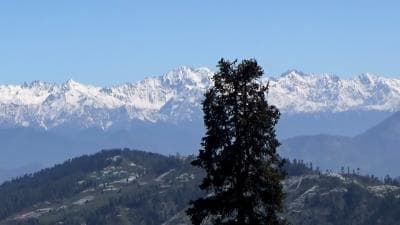
The stretch from Pandukeshwar to Badrinath is one of the most anticipated parts of the journey. The road climbs steadily, the air gets cooler, and the landscape opens into a more dramatic alpine valley. You may see the Alaknanda river at various points, along with stone slopes, glacial streams, and scattered pilgrim traffic moving in both directions.
For first-time visitors, the biggest adjustment is altitude. Badrinath sits at a much higher elevation than the plains, and even if you feel fine in Joshimath, you may notice shortness of breath or mild fatigue as you move higher. Take small breaks, drink water regularly, and avoid overeating just before the climb. If someone in your group has heart, lung, or blood pressure concerns, it is sensible to consult a doctor before making the trip.
Best time to take the route
The usual travel window for Badrinath is roughly late April or early May to October or early November, depending on temple opening and closing dates, which change every year. For smoother road conditions, May, June, September, and early October are generally better than the monsoon months. July and August can bring rain, landslide risk, and delays, so factor in extra buffer time if you travel then.
Early mornings are best for driving from Joshimath to Pandukeshwar and Badrinath. The roads are often calmer, visibility is better, and you reduce the chance of getting stuck behind a long line of vehicles later in the day.
Where to Stay on the Route
Your accommodation choice depends on how comfortable you want the journey to be. Joshimath offers the widest range of hotels and guesthouses, Pandukeshwar has simpler lodging options, and Badrinath has many pilgrim stays but can get crowded during peak yatra weeks. If you want a more relaxed schedule, stay one night in Joshimath or Pandukeshwar and then proceed to Badrinath the next morning.
| Place | Typical stay style | Indicative price range | Best for |
|---|---|---|---|
| Joshimath | Hotels, lodges, guesthouses | Rs.1,500-Rs.4,500 per night | Better comfort, acclimatisation, easy food options |
| Pandukeshwar | Basic lodges, dharamshala-style stays | Rs.1,000-Rs.3,000 per night | Peaceful halt near the temple route |
| Badrinath | Pilgrim hotels, guesthouses, dharamshalas | Rs.1,500-Rs.5,000 per night | Direct temple access and early darshan |
Prices are only indicative and can rise sharply during peak pilgrimage periods. Book as early as possible in season, especially if you are travelling with elders, children, or a large family group.
Food, Fuel, and Basic Facilities
Do not expect a wide restaurant scene on this route. You will find dhabas, small eateries, and simple vegetarian meals at key points such as Srinagar, Rudraprayag, Karnaprayag, Chamoli, Joshimath, and then near Pandukeshwar and Badrinath. Typical meals include dal, rice, roti, sabzi, curd, parathas, and tea. Hygiene standards vary, so choose busy places with a steady turnover of food.
Fuel stations are available in larger towns before the higher section, but it is still wise to top up at Joshimath or earlier if your vehicle needs it. ATM access can be limited in the upper stretch, and mobile network may fluctuate. Carry cash for small expenses, temple offerings, parking, and local transport.
What to pack for this route
- Warm jacket, gloves, and socks, even in summer
- Rain protection from June to September
- Medicines, especially for motion sickness and altitude discomfort
- Water bottle and dry snacks
- Cash in small denominations
- Power bank and a basic torch
Suggested Itinerary for a Comfortable Trip
If you are going at a steady pace, a 3-day plan works well. On Day 1, travel from Rishikesh or Haridwar to Joshimath and stay overnight. On Day 2, drive to Pandukeshwar, visit Yogadhyan Badri, and continue to Badrinath for darshan and an overnight stay. On Day 3, return gradually, or extend your trip if you want to visit nearby places such as Mana village, Tapt Kund, or Vasudhara Falls area depending on weather and permissions.
If you have only two days, start very early from Rishikesh, reach Joshimath by evening, and complete Pandukeshwar plus Badrinath the next morning. This is tighter and more tiring, but it is manageable if you are used to long mountain drives.
Nearby Places Worth Knowing
Once you are on the Pandukeshwar and Badrinath route, a few nearby names come up often. Joshimath is the principal stop for food, rest, and temple access. Mana, the last village before the India-Tibet side, is close to Badrinath and can be added if roads and weather are in your favour. Charanpaduka and Tapt Kund are also closely associated with the Badrinath experience, though local conditions should guide what you can comfortably cover in one day.
If you enjoy quieter spiritual stops, Pandukeshwar is worth more than a quick photo halt. It adds depth to the journey and gives you a calmer spiritual pause before the larger crowds of Badrinath.
Frequently Asked Questions
Is Pandukeshwar on the way to Badrinath?
Yes, Pandukeshwar lies on the road to Badrinath after Joshimath. It is a convenient stop if you want to break the journey or visit the Yogadhyan Badri temple before heading further uphill.
How far is Badrinath from Pandukeshwar?
The distance is roughly 20-25 km, depending on road conditions and the exact route used. The drive usually takes about 45-60 minutes, but it can take longer during peak season traffic or if there are road restrictions.
Can I stay overnight in Pandukeshwar?
Yes, you can find basic accommodation in and around Pandukeshwar, though options are simpler than in Joshimath or Badrinath. It is a good choice if you want a quieter halt and an easier next-morning drive to Badrinath.
Which is better for an overnight stay: Joshimath or Pandukeshwar?
Joshimath is better if you want more hotel choices, food options, and slightly better comfort. Pandukeshwar is better if you want to stay closer to the temple route and prefer a quieter place, but you may have fewer amenities.
What is the best month to travel this route?
May, June, September, and early October are often the most convenient months for road travel, assuming weather remains stable. July and August can be tricky because of rain and landslide risk, while winter is usually not suitable for regular pilgrimage travel.
Do I need to worry about altitude sickness on this route?
Some travellers do feel mild effects as they go higher, especially if they rush up from the plains without rest. Hydration, slow travel, and a night halt at Joshimath or Pandukeshwar can help. If you have medical concerns, speak to a doctor before the trip.
Conclusion
The Pandukeshwar and Badrinath route is more than a transfer between two points; it is a journey through the spiritual and geographical heart of the Garhwal Himalayas. If you plan it well, keep your schedule flexible, and choose your halt wisely, the route becomes far more comfortable and meaningful. For most travellers, Pandukeshwar works beautifully as a calm pause before the larger pilgrimage energy of Badrinath.
If you found this guide useful, please share it with anyone planning a Uttarakhand pilgrimage or road trip.
Planning a Uttarakhand trip?
Tell us your dates and who is travelling. Up to three local travel companies send you their itinerary and price.
Get free quotesDisclaimer: The information in this blog is for general information only. We try to keep it accurate and up to date, but TravelSetu accepts no liability for errors or omissions. If you believe any part of it infringes your rights, please write to info@travelsetu.com.