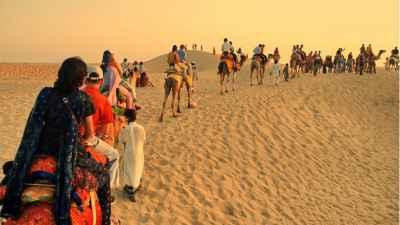
Pokhran and the Desert Fort
If you are planning a Rajasthan trip that goes beyond the usual Jaipur-Udaipur-Jaisalmer circuit, Pokhran deserves a place on your itinerary. This quiet desert town in Jaisalmer district gives you a real feel of western Rajasthan: a historic fort, old havelis, dusty lanes, salt-lake landscapes and the kind of open desert silence you rarely get in busier cities.
This guide is for travellers who want practical advice on how to reach Pokhran, what to see around the desert fort, how much time to keep aside, and how to combine it with a Rajasthan road trip. By the end, you will know how to plan a relaxed visit without wasting time on guesswork.
Why Pokhran belongs on a Rajasthan itinerary
Pokhran sits on the old route connecting Jaisalmer, Jodhpur and Bikaner, so it has long been a stop for caravans, traders and armies moving across the Thar Desert. Today, it is better known for its fort, its desert setting and its historical importance in Rajasthan’s princely past. The town is smaller and quieter than Jaisalmer, which makes it useful if you want a more unhurried desert experience.
For Indian travellers, Pokhran works well as a short stopover of 4-6 hours or as an overnight stay if you are doing a longer Rajasthan road trip. It is especially convenient if you are travelling by road between Jodhpur and Jaisalmer, since the detour is manageable and the landscape changes gradually from scrubland to open desert.
The desert fort: what to expect
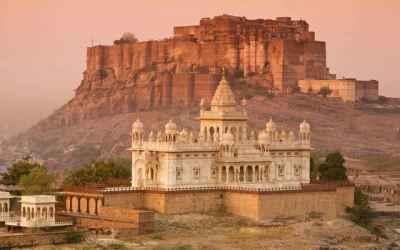
The main attraction is Pokhran Fort, also locally associated with the royal family of the region. Like many Rajasthan forts, it was built not just for defence but also as a seat of power, with thick walls, courtyards and rooms that once handled administration and court life. The structure reflects the practical side of desert architecture: compact, durable and designed to cope with heat, dust and long dry seasons.
Do not expect the scale of Mehrangarh or the polish of some restored palace hotels. Pokhran Fort is more modest and atmospheric. That is exactly what gives it charm. You can walk through the structure in a short visit, notice old stonework, take in views of the town and understand how desert rulers adapted to a harsh landscape.
How much time you need
A focused visit to the fort usually takes 45 minutes to 1.5 hours, depending on whether you are taking photos and talking to a local guide. If you like heritage sites and want to move slowly, keep 2 hours aside. If you are on a packed schedule, even a quick stop is worthwhile because the fort is central and easy to access.
What makes it different from other Rajasthan forts
Pokhran Fort is less about grand spectacle and more about context. You see a living town around it, not a tourist-only zone. That means your experience is grounded in everyday Rajasthan rather than just heritage photography. For many travellers, that is a welcome change after the more crowded monuments in Jaipur or Jodhpur.
How to reach Pokhran
Pokhran is well connected by road and sits along major travel routes in western Rajasthan. The nearest large city for most travellers is Jodhpur, though Jaisalmer is also a common base. The drive gives you a good feel for the desert highway, with tea stalls, dhabas and long stretches of open land.
| Starting point | Approx. distance | Usual travel time | Notes |
|---|---|---|---|
| Jodhpur | around 180-200 km | 3.5-4.5 hours | Most practical for a road trip |
| Jaisalmer | around 110-130 km | 2-3 hours | Easy day excursion or stopover |
| Bikaner | around 200-230 km | 4.5-5.5 hours | Longer drive, but manageable |
Train connectivity exists for the wider region, but schedules can change and not every train timing is ideal for sightseeing. If comfort matters, a private cab or self-drive car is the simplest option. For a family of 3-4 people, a cab usually makes more sense than trying to stitch together multiple bus connections.
Best time to visit Pokhran
The best months are October to March, when daytime temperatures are comfortable and walking around the fort is pleasant. In December and January, mornings and evenings can be cold in the desert, so carry a light jacket. From April to June, the heat becomes intense and sightseeing in the afternoon can be tiring.
If you are travelling in monsoon months, do not expect lush greenery. Pokhran remains dry for most of the year, though the air may feel slightly less harsh after rain. Since weather conditions vary from season to season, check the forecast before you travel and keep your plans flexible if you are self-driving.
What else to see around Pokhran
Pokhran is not a town where you rush from one monument to another. The pleasure is in combining a few local sights with the desert drive itself. Still, there are enough places around to make your visit satisfying.
Old town lanes and local markets
Walk around the older neighbourhoods near the fort if you want to see traditional desert-town life. You will find stone houses, small shrines, local shops and the kind of unhurried daily rhythm that is becoming rare in more touristic parts of Rajasthan. The market area is useful for snacks, tea and basic souvenirs, though selection is limited compared with Jaisalmer.
Ramdevra
Ramdevra, a well-known pilgrimage site, lies not far from Pokhran and can be added to the same day if you have time. Many travellers pair the two because the route is straightforward and the contrast is interesting: a heritage fort on one side and a busy religious centre on the other. Expect crowds during festival periods and plan extra time if you are visiting then.
Desert stops and open-road viewpoints
One of the nicest things about this area is the drive itself. You will pass stretches of open desert, sparse vegetation and small roadside settlements. If you are not in a hurry, stop at a safe roadside dhaba for chai and a simple meal. These pauses often become some of the most memorable parts of a Rajasthan road trip.
How to plan your day in Pokhran
If you are coming from Jodhpur or Jaisalmer, a same-day visit is realistic. You can reach Pokhran in the morning, spend time at the fort, explore the town and continue your journey in the afternoon or evening. If you prefer a slower pace, stay overnight and use the next morning for nearby sightseeing.
- Reach Pokhran by late morning.
- Spend 1-2 hours at the fort.
- Take a lunch break at a local restaurant or dhaba.
- Walk through the market and nearby streets.
- Visit Ramdevra or continue toward Jaisalmer/Jodhpur.
Keep your sightseeing light if you are travelling in summer. The desert sun is harsh, and walking around historical sites becomes uncomfortable after noon. Start early, carry water, and avoid overpacking the day.
Where to stay and what it may cost
Pokhran has limited accommodation compared with larger Rajasthan destinations, so booking ahead is a good idea, especially during holiday periods or local festivals. You will find simple hotels, heritage-style stays and mid-range options in and around town. For a more polished hotel experience, some travellers prefer staying in Jaisalmer or Jodhpur and visiting Pokhran as a day trip.
Indicative room rates are usually around ?1,500-?3,000 per night for basic to mid-range stays, and ?3,500-?7,000 per night for better heritage-style or more comfortable properties. Prices can go up during long weekends and peak winter season, so confirm before booking.
If you are travelling with family, a property with parking, air-conditioning and an in-house dining option can save time. In a town this small, convenience often matters more than luxury.
Food and local travel tips
Food in Pokhran is straightforward, hearty and suited to travellers on the road. Expect dal, roti, sabzi, gatte ki sabzi, ker sangri in some places, and simple vegetarian meals at local eateries. If you have strict dietary preferences, carry some snacks, because options may be limited after regular meal hours.
A few practical tips can make your trip smoother:
- Carry enough water, especially from March to June.
- Wear covered footwear for walking around fort areas and dusty lanes.
- Keep cash handy for small purchases, though digital payments are becoming more common.
- Start early if you are combining Pokhran with Ramdevra or a longer highway drive.
- Confirm fort entry details, local guide availability and opening hours before you go.
As with many heritage sites in Rajasthan, local arrangements can shift without much notice. A short phone check with your hotel or driver before arrival is the safest way to avoid surprises.
Who should add Pokhran to their Rajasthan trip
Pokhran suits travellers who enjoy history without heavy crowds, road trips across desert terrain, and places that still feel rooted in local life. It is a good fit for families, senior travellers, photography enthusiasts and anyone who has already seen the bigger Rajasthan circuit and wants something quieter.
If you are travelling with children, the fort visit can be short and manageable. If you are on a honeymoon or leisure trip, you can combine Pokhran with Jaisalmer for a balanced itinerary: one place for romance and camps, another for heritage and desert silence. For travellers who prefer fast-paced city sightseeing, Pokhran may feel too understated, and that is perfectly fine.
Frequently Asked Questions
How many days should I keep for Pokhran?
Most travellers need only half a day to see the fort and explore the town. If you want a slower pace or plan to combine nearby places like Ramdevra, one overnight stay is enough. Pokhran works best as part of a broader Rajasthan road trip rather than as a standalone destination.
Is Pokhran worth visiting if I have already been to Jaisalmer?
Yes, if you enjoy heritage sites that feel less commercial. Pokhran offers a quieter, more local desert-town atmosphere than Jaisalmer. It is not about big-palace drama; it is about history, road travel and the everyday life of western Rajasthan.
Can I visit Pokhran as a day trip from Jaisalmer?
Yes, the drive is manageable and usually takes around 2-3 hours one way, depending on road conditions and stops. A day trip works well if you leave early and do not plan too many detours. If you want a relaxed experience, an overnight stay is better.
What is the best season for Pokhran sightseeing?
October to March is the most comfortable period. Winter mornings and evenings are cool, while daytime temperatures stay pleasant for walking around. Summer is very hot, so only travel then if your schedule leaves you no choice.
Are there good hotels in Pokhran?
There are a few decent hotels and heritage-style stays, but the selection is limited compared with major Rajasthan cities. Basic and mid-range properties are usually enough for a short stay. If you want more variety, stay in Jaisalmer or Jodhpur and visit Pokhran on the way.
Is Pokhran safe for solo travellers and families?
Pokhran is generally a calm town, and most visitors experience no issues. Like anywhere in Rajasthan, use normal travel caution, especially after dark and when moving through unfamiliar streets. Families and solo travellers can both visit comfortably if they plan transport and accommodation in advance.
Pokhran gives you a different side of Rajasthan: quieter, older in feeling and shaped by the desert rather than by tourist traffic. If you enjoy destinations that reward slow travel, a stop here will fit nicely into your route between Jodhpur and Jaisalmer. Plan sensibly, travel early in the day, and let the open landscape do the rest.
If this guide helped you plan better, share it with fellow travellers who are mapping out a Rajasthan trip.
Disclaimer : The information provided in this blog is for general informational purposes only. While we strive to keep the content accurate and updated, TravelSetu assumes no liability for errors or omissions. If you believe any part of this blog infringes your rights or causes concern, please notify us immediately at info[at]travelsetu[dot]com so that appropriate action can be taken.