If you are planning a Rajasthan trip, this article is for you before you book anything. It is written to help you avoid the most common regrets travellers have in Jaipur, Jodhpur, Udaipur, Jaisalmer and beyond, so you can spend less time fixing mistakes and more time enjoying the forts, markets, lakes and desert towns.
Rajasthan is one of India’s easiest states to fall in love with, but it is also one of the easiest to get wrong if you rush the planning. Distances are larger than they look on a map, summer heat can be harsh, and not every “budget” hotel or desert camp is worth the money. Here are the lessons I wish more first-time visitors knew before setting out.
1. Don’t Underestimate Rajasthan Distances
The first regret many travellers have is trying to fit too many cities into one short trip. Jaipur to Jodhpur is roughly 330 km and can take 6-7 hours by road. Udaipur to Jaisalmer is even longer, often around 9-10 hours depending on the route and stops. Rajasthan looks compact on a map, but on the ground it is a state where travel days need proper padding.
If you only have 5-6 days, choose two cities, not four. A sensible first trip might be Jaipur and Pushkar, or Udaipur and Mount Abu, or Jodhpur and Jaisalmer. If you have 8-10 days, then you can add a third stop without making the itinerary feel rushed.
What I would do differently
- Limit road transfers to one long drive every 2-3 days.
- Leave one free afternoon in every city for rest or delays.
- Book intercity transport early for busy periods like Diwali, Christmas and school holidays.
2. Choose the Right Season, Not Just the Cheapest Season
Another common regret is travelling in peak summer because hotels are cheaper. In cities like Jaisalmer, Jodhpur and Bikaner, April to June can be extremely hot, with daytime temperatures often crossing 40°C. Sightseeing in that heat is tiring, especially if you are carrying children or older parents.
The most comfortable months for most of Rajasthan are October to March. This is also when prices rise, especially around long weekends, festival dates and New Year. If you want lower rates and gentler weather, late September, early October and February can be good compromise months, though you should still check weather conditions before finalising.
Practical season-wise note
| Season | What it feels like | Typical traveller experience |
|---|---|---|
| October to March | Pleasant to cool | Best for forts, desert stays and walking around old cities |
| April to June | Very hot, especially in western Rajasthan | Good only if you plan short sightseeing windows and hotel rest time |
| July to September | Hot with monsoon spells in some areas | Lower rates, fewer crowds, but outdoor plans can be disrupted |
3. Don’t Book Every Night in a “Heritage” Stay
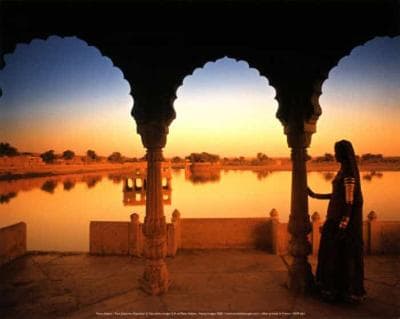
Rajasthan is famous for havelis, palace hotels and heritage-style stays, and yes, many are lovely. But the regret comes when travellers book only for the look and ignore basics like location, parking, breakfast timings, hot water, lift access and noise levels. A charming haveli in the middle of a busy bazaar may look romantic in photos and feel exhausting after a full day of sightseeing.
For a balanced trip, mix one special stay with practical hotels. In Jaipur, staying near MI Road, Bani Park or Civil Lines can make movement easier. In Udaipur, lakeside properties are lovely, but verify access roads and walking distance. In Jaisalmer, a fort-view room can be memorable, but check if it is quiet enough for a good night’s sleep.
Budget guidance
- Standard city hotels: Rs.2,000-Rs.4,500 per night
- Comfortable heritage hotels: Rs.4,500-Rs.9,000 per night
- Premium heritage or palace-style stays: Rs.10,000-Rs.25,000+ per night
These are broad ranges, and prices change sharply by season, weekday and festival demand. Always confirm parking, breakfast, taxes and cancellation rules before paying.
4. Make Forts and Palaces Part of the Plan, Not a Speed Run
Rajasthan’s forts and palaces are beautiful, but many travellers regret allocating just 30-40 minutes to each one. Amber Fort in Jaipur, Mehrangarh Fort in Jodhpur, City Palace in Udaipur, Jaisalmer Fort and Junagarh Fort in Bikaner all deserve time. If you rush through them, you remember the queue and the heat, not the place itself.
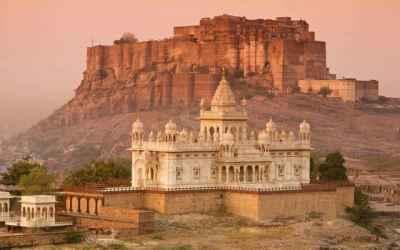
At a minimum, give major sites 2-3 hours each. Amber Fort often takes longer if you want to explore the courtyards and enjoy the views over Maota Lake. Mehrangarh Fort rewards slow wandering, especially if you like museums and city panoramas. In Udaipur, City Palace becomes much better if you avoid arriving at peak afternoon crowd time.
Useful sightseeing habit
Start early, before 9 am when possible, and keep the hottest hours for lunch or indoor time. Carry water, wear comfortable shoes and keep some cash for small entry-related expenses or local transport. Ticket prices vary, so check the latest rates before you go.
5. Be Careful With Desert Experiences
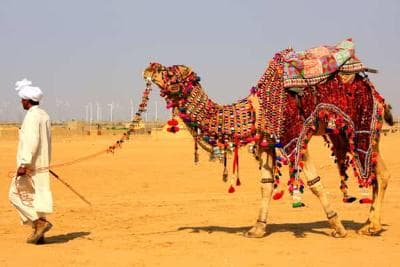
If your Rajasthan trip includes Jaisalmer, many people want the sand dunes. That is fair, but not every desert package is equal. Some travellers regret booking the cheapest camp without checking whether the tents are clean, the bathrooms work properly, the food is fresh, or the camel ride is handled responsibly. A low price can sometimes mean poor hygiene or a very commercial experience.
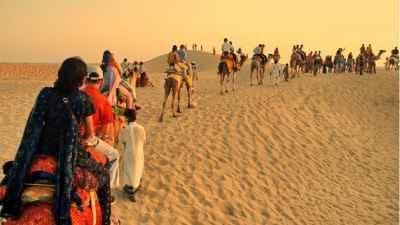
Sam Sand Dunes is the better-known option near Jaisalmer, while Khuri can feel quieter. The right choice depends on what you want. If you prefer music, cultural shows and a busier atmosphere, Sam is usually easier. If you want a calmer evening with fewer people, ask about Khuri or other smaller dune areas. Always confirm the distance from Jaisalmer city, transfer arrangements and what is included in the package.
What to check before booking a desert camp
- Whether the package includes dinner, breakfast, dune transfer and cultural programme.
- Bathroom quality and bedding details.
- Whether the camel or jeep ride is optional or bundled.
- How far the camp is from the dunes and from Jaisalmer city.
6. Don’t Ignore Local Transport and Parking Realities
Inside older parts of Rajasthan cities, cars can become more trouble than help. Jaipur’s old city lanes, Jodhpur’s blue lanes around the fort and Udaipur’s congested lake areas can all be slow to drive through. One regret many families have is renting a car for the entire trip and then spending too much time hunting for parking.
A better approach is to mix transport. Use a cab for intercity travel or airport transfers, then switch to autos, local taxis or short walks in the city. In Jaipur, an auto or local cab can be easier around the City Palace, Hawa Mahal and Jantar Mantar area. In Jodhpur, a half-day cab works well for Mehrangarh Fort and Jaswant Thada. In Udaipur, a boat ride and a walking plan around the lake area are more enjoyable than trying to drive everywhere.
Money-saving transport tip
If you are travelling as a group of four or more, a private cab can be practical and sometimes works out better than repeated point-to-point bookings. For solo or couple trips, autos and app-based cabs may be enough in major cities, but prices can vary by time and demand. Always agree on the fare or check the app estimate before starting.
7. Food Regrets Usually Come From Carelessness, Not Lack of Choice
Rajasthan food is one of the best parts of the trip, but visitors sometimes regret eating too randomly. Heavy meals, unfamiliar spice levels and oily street snacks can make you sluggish if you have a packed sightseeing day. On the other hand, avoiding local food altogether means missing out on dal baati churma, gatte ki sabzi, ker sangri and laal maas in the places where they taste best.
The trick is balance. Eat local at places that look clean and busy, especially for lunch. Keep breakfast simple if you are leaving early. Drink enough water, and carry a small snack if you are going to be on the road for several hours. In summer, roadside stops matter more than you think.
Simple food rule for travellers
- Try one rich Rajasthani meal per day, not every meal.
- Choose well-reviewed thalis for a safe and varied introduction.
- Ask for less spice if you are not used to it.
8. Build in Time for Markets, Not Just Monuments
One of the happiest lessons from a Rajasthan trip is that the cities are not only about monuments. They are also about shopping streets, craft bazaars and everyday life. People often regret skipping these spaces because they were too focused on ticking off attractions.
In Jaipur, Johari Bazaar and Bapu Bazaar are good for textiles, footwear and jewellery-style shopping, though you should bargain sensibly. Jodhpur’s Sardar Market near the Clock Tower is lively for spices, handicrafts and bandhej items. Udaipur’s local market areas are good for miniature art, bags and home décor. In Jaisalmer, local embroidery, leather goods and mirror-work items are worth a slow look, but check quality carefully before buying.
Set aside at least one evening for shopping or wandering without a fixed agenda. That is often where Rajasthan feels most personal.
Frequently Asked Questions
How many days are enough for a first Rajasthan trip?
For a first trip, 6-8 days is a comfortable range if you want two or three cities. If you only have 4-5 days, focus on one region instead of trying to cover the whole state. Rajasthan rewards slower travel, so fewer places often means a better experience.
Is Rajasthan safe for family travel?
Yes, Rajasthan is generally a good family destination, especially on the main tourist circuit. Like anywhere, you should stay alert in crowded markets, avoid isolated late-night areas and use trusted transport. Families often find the state very manageable if they plan around weather and travel time.
What is the best time to visit Rajasthan with elderly parents?
October to February is usually best because temperatures are more comfortable for older travellers. Avoid peak summer if possible, since the heat can make long sightseeing days tiring. Try to keep walking distances short and choose hotels with lifts and easy vehicle access.
Should I self-drive in Rajasthan?
You can self-drive, but it is not always the easiest option for a first trip. Roads between major cities are generally manageable, yet city traffic, parking and unfamiliar local driving styles can be stressful. For many travellers, hiring a cab with a driver is simpler and lets them relax during long stretches.
Are desert camps in Jaisalmer worth it?
Yes, if you choose carefully and know what kind of experience you want. Some camps are lively and touristy, while others are quieter and more basic. Read the inclusions carefully and avoid booking only on the basis of a very low price.
What is one thing people regret most on Rajasthan trips?
Most often, they regret overpacking the itinerary. Rajasthan is rich in experiences, but the distances, heat and crowds can make an aggressive plan feel exhausting. A slower trip with well-chosen cities usually gives you better memories and fewer headaches.
Rajasthan is at its best when you give it space: time for a fort, time for a bazaar, time for a long drive, and time to sit with a cup of tea while the day cools down. If you avoid the common planning mistakes, the trip becomes much richer and far less tiring. Plan carefully, keep your itinerary realistic, and let the state reveal itself one city at a time.
If this guide helped you, share the post with someone planning a Rajasthan trip.
Planning a Rajasthan trip?
Tell us your dates and who is travelling. Up to three local travel companies send you their itinerary and price.
Get free quotesDisclaimer: The information in this blog is for general information only. We try to keep it accurate and up to date, but TravelSetu accepts no liability for errors or omissions. If you believe any part of it infringes your rights, please write to info@travelsetu.com.