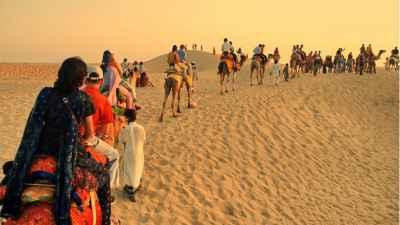
Rohet and Marwar Villages
If you are planning a Rajasthan trip and want to go beyond forts, palaces, and city sightseeing, Rohet and the villages of Marwar will suit you well. This is the part of Rajasthan where you can slow down, watch daily rural life unfold, and still enjoy the comfort of a well-planned getaway from Jodhpur or Jaisalmer.
This guide is for Indian travellers who want practical advice on how to reach Rohet, what village experiences are worth your time, when to go, how long to stay, and what kind of budget to keep aside. You will also get a simple itinerary idea and answers to common questions before you book.
Why Rohet and Marwar Villages make a strong Rajasthan escape
Rohet is a small settlement in Pali district, around 40-50 km from Jodhpur depending on the route you take, and it works well as a base for exploring the wider Marwar region. Marwar is the desert belt of western Rajasthan, known for its ochre villages, camels, pastoral communities, painted havelis, and a slower rhythm of life than the major cities.
What makes this area appealing is the balance. You can spend the morning in a village, return to a heritage stay for lunch, and still make a short trip to Jodhpur’s forts or Bishnoi settlements. It is a good choice for families, couples, photographers, and travellers who want cultural depth without too much moving around.
How to reach Rohet from major Rajasthan cities
Rohet is best accessed by road. The nearest major rail and air hub is Jodhpur, and that is usually where your trip begins. From Jodhpur, the drive to Rohet takes roughly 1 to 1.5 hours depending on traffic and the exact place you are staying.
By air
Fly into Jodhpur Airport if you are coming from Delhi, Mumbai, Jaipur, or other large Indian cities with connecting flights. From the airport, hire a cab to Rohet or continue to a heritage stay in the village area. Cab fares vary by vehicle and season, but you can roughly plan for ?2,000-?4,000 for a one-way transfer from Jodhpur, though rates may change.
By train
Jodhpur Junction is the nearest major station. Trains from Jaipur, Delhi, Ahmedabad, and other Rajasthan towns are generally available, though timings and class availability change often. From the station, Rohet is a road transfer away.
By road
From Jodhpur, the drive is easy and scenic in parts, with village roads and stretches of open desert country. If you are coming from Udaipur, expect a longer drive of around 5-6 hours or more depending on the route and stops. From Jaisalmer, it is also a longer road journey, so many travellers use Rohet as part of a multi-city Rajasthan itinerary rather than as a standalone destination.
When to visit Rohet and the Marwar villages
The best time to visit is from October to March, when the weather is pleasant for village walks, jeep rides, and outdoor meals. Daytime temperatures during these months are comfortable for sightseeing, and evenings are often cool enough for open-air dining or a walk around the property.
April to June can be very hot, and village exploration becomes tiring in the middle of the day. If you must travel then, keep activities early in the morning and late in the evening, and stay hydrated. The monsoon months, usually July to September, may bring some relief from heat, but road conditions and visibility can vary after rains, so check local updates before leaving.
What to do in Rohet and nearby Marwar villages
You do not come here for a long list of rushed attractions. The enjoyment lies in slow, guided experiences that let you observe and interact with rural Rajasthan in a respectful way.
Take a village drive through Marwar
A guided village drive is one of the most rewarding ways to spend a half-day. You may pass mud houses, cattle enclosures, grain storage spaces, temple courtyards, and women in traditional attire carrying out daily tasks. Depending on the route and guide, you may also stop at potter communities, pastoral hamlets, or local workshops.
These drives are usually arranged through your hotel or a local operator, and the pace is gentle. Expect 2-4 hours for a standard outing, though you can extend it if you want more time for photography or conversations.
Visit Bishnoi villages and learn about conservation traditions
The Bishnoi community is closely associated with environmental protection and rural life in this region. Visiting Bishnoi villages near Jodhpur and Rohet can be a meaningful experience if you are interested in community-based tourism. The visit may include a glimpse of daily life, handmade crafts, and the landscape that supports both livestock and farming.
Be mindful during these visits. Ask before taking photographs, avoid intrusive behaviour, and keep your group quiet if people are working or resting. That makes the interaction better for you and for your hosts.
Watch village women’s work and local crafts
In the Marwar region, you may see embroidery, mirror work, block printing, and everyday textile skills that continue to survive through family tradition and local demand. If your itinerary includes craft stops, you can often buy directly from artisans. This is a better option than buying rushed souvenirs in a city bazaar because you know who made the item and where it came from.
Go on a camel or jeep experience
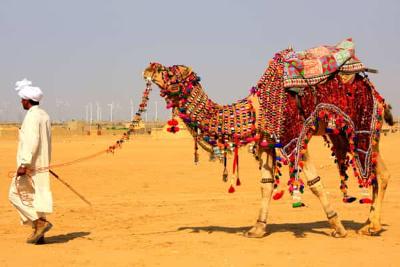
Depending on the season and the exact village route, camel rides or jeep drives may be offered. These are best used as an added layer to a village visit rather than the entire activity itself. If you are sensitive to dust or have older travellers with you, jeep rides are usually the more comfortable option.
Spend time at a heritage stay
Rohet is known for its heritage hospitality, and that is part of the reason it works so well as a base. Many travellers choose to stay in a restored haveli or heritage property where courtyards, gardens, and traditional Rajasthani meals become part of the trip. This is especially valuable if you are travelling with family and want comfort after long road journeys.
A simple 2-night itinerary for Rohet and Marwar villages
If you want a balanced trip, 2 nights is enough for most first-time visitors. It gives you village time, a relaxed stay, and one extra outing without rushing.
| Day | Plan | Approximate time |
|---|---|---|
| Day 1 | Arrive in Jodhpur, transfer to Rohet, check in, rest, short village walk in the evening | Half day |
| Day 2 | Morning village drive, Bishnoi community visit, lunch at stay, sunset leisure or local drive | Full day |
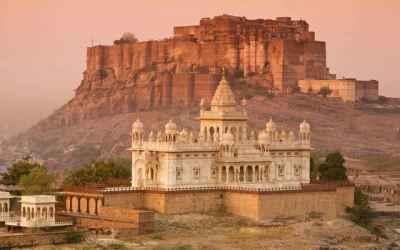
| Day 3 | Depart for Jodhpur, or add Mehrangarh Fort and Jaswant Thada before onward travel | Half day |
If you have 3 nights, you can slow the pace further and include a stronger Jodhpur extension. That works especially well if you are combining Marwar villages with heritage sightseeing.
Food, culture, and what to expect on the table
Food in this region tends to be hearty and suited to dry climates. Expect dal, gatte ki sabzi, bajra rotla, ker sangri, curd-based dishes, and seasonal vegetables. If your stay includes traditional dinners, you may also get Rajasthani thalis with sweets and local breads.
Tea service, snacks, and bonfire-style evening dining may be part of some heritage stays, especially in the cooler months. Vegetarian travellers are usually well catered to, and many properties can adjust spice levels if you ask in advance. If you have dietary restrictions, inform the property before arrival rather than at mealtime.
Culturally, Rohet and Marwar villages are polite and conservative, so dress modestly. Light cotton clothing works in winter afternoons, while full sleeves and breathable fabrics are better in dusty or windy conditions. A scarf helps for sun protection and also feels appropriate in village settings.
Where to stay and what kind of budget to keep
Rohet has a mix of heritage stays, boutique properties, and smaller guest-style accommodations in the wider area. A heritage stay usually gives you the best overall experience because the environment is part of the destination. For budget travellers, staying in Jodhpur and taking day trips is also possible, but you will lose the calm early-morning and evening atmosphere.
For a practical budget, consider these rough ranges per room per night:
- Budget stays: ?2,000-?4,000
- Mid-range heritage stays: ?6,000-?12,000
- Premium heritage properties: ?15,000 and above
Village drives, guide charges, transfers, and meals can add to the overall spend. A comfortable 2-night trip for two people from Jodhpur can easily fall in the ?18,000-?40,000 range depending on your hotel category, transfer style, and how many guided experiences you book. These are indicative figures, so confirm current rates before finalising.
Practical tips for a smooth Rohet trip
- Start village visits early in the day, especially from March to June.
- Carry cash for small purchases, as digital payment may not work everywhere.
- Keep a reusable water bottle and sunscreen with you.
- Ask your guide what photography is acceptable before clicking people or homes.
- Plan your transfers in advance because taxi availability can fluctuate by season.
- If travelling with elders, choose a property with easy ground access and short driving distances.
One useful habit in rural Rajasthan is to stay flexible. A local wedding procession, livestock movement, or weather shift can change the rhythm of the day. That is not a problem; it is part of the experience. If you build a little extra time into the plan, the trip feels much more relaxed.
Frequently Asked Questions
How many days do you need for Rohet and Marwar villages?
Two nights is a good starting point for most travellers. It gives you enough time for a village drive, a cultural visit, and a slow heritage stay without feeling rushed. If you want to combine it with Jodhpur, 3 nights is even better.
Is Rohet better as a stay or just a day trip from Jodhpur?
Staying overnight is the better option if you want the full atmosphere. A day trip is possible from Jodhpur, but you may miss the calm early-morning and evening hours that make the area special. An overnight stay also makes village visits feel less hurried.
What is the best month to visit Marwar villages?
October to March is the most comfortable period. The weather is mild, travel is easier, and outdoor activities feel more enjoyable. If you go in summer, keep your programme lighter and avoid long midday outings.
Are village visits in Rohet suitable for children and older travellers?
Yes, if you plan them sensibly. Choose short drives, avoid overpacked schedules, and keep water, snacks, and shaded breaks in mind. A heritage stay with easy access can make the trip much more comfortable for both children and elders.
Can you combine Rohet with Jodhpur sightseeing?
Yes, and many travellers do exactly that. You can visit Mehrangarh Fort, Jaswant Thada, and the old city of Jodhpur before or after your Rohet stay. This combination works well because the drive is short and the experiences complement each other.
Is it safe to travel around Rohet and the villages independently?
The area is generally manageable for independent travellers, but local guidance improves the experience. Roads can be unfamiliar, village lanes can be confusing, and a local driver or guide will help you connect with the right communities. For first-time visitors, a pre-arranged transfer and guided outing is the easiest approach.
Conclusion
Rohet and the Marwar villages are ideal if you want Rajasthan at a slower pace, with real rural encounters and the comfort of a heritage stay. You can combine them with Jodhpur, keep your travel distances short, and still come away with a much deeper sense of western Rajasthan than a city-only trip can offer.
If this guide helped you plan better, please share the post with fellow travellers who are thinking about Rajasthan.
Disclaimer : The information provided in this blog is for general informational purposes only. While we strive to keep the content accurate and updated, TravelSetu assumes no liability for errors or omissions. If you believe any part of this blog infringes your rights or causes concern, please notify us immediately at info[at]travelsetu[dot]com so that appropriate action can be taken.