If you are planning a Uttarakhand trip and want a town that combines pilgrimage, mountain scenery and old stories, Rudraprayag deserves a careful look. This guide is for Indian travellers who want practical travel advice along with the legends that give the town its character, so you can decide when to go, what to see and how to fit it into a Garhwal itinerary.
Rudraprayag sits where the Alaknanda and Mandakini rivers meet, around 35 km before Srinagar in Garhwal and roughly 160-170 km from Rishikesh by road, depending on the route and road conditions. It is small, but it matters: for pilgrims heading to Kedarnath, for road-trippers crossing the Himalayan belt, and for anyone who likes their travel mixed with folklore, temple history and river views.
Why Rudraprayag draws travellers
Rudraprayag is not a hill station in the usual sense, and that is part of its appeal. You come here for the confluence, the temple town atmosphere, the drive through the mountains and the stories attached to the place. The town is also a practical stopover if you are travelling between Rishikesh, Srinagar, Guptkashi and the Kedarnath route.
For many visitors, the first impression is the sound of the rivers. The Alaknanda is broad and powerful, while the Mandakini often appears greener and gentler. Watching them join is the simplest pleasure here, and it becomes even better at dawn or late afternoon when the light softens and the river colours change.
The legends that define Rudraprayag
The story of Narad Muni and Lord Shiva
The town gets its name from Lord Shiva in his Rudra form. Local belief says that Narad Muni performed penance here and pleased Shiva, who then appeared as Rudra at this confluence. This is one reason Rudraprayag has remained important in spiritual geography, not just as a stop on the map.
When you hear local priests or residents speak about the place, they often refer to the confluence as spiritually charged. Even if you travel more for scenery than faith, the setting makes the legend easy to understand. The river junction feels like a natural site for devotion.
The tale of the man-eating leopard
Rudraprayag is also remembered for a darker colonial-era legend about a leopard that reportedly terrorised the area in the early 20th century. The story became widely known because of the hunt associated with it, and it still circulates in travel conversations and local memory. You may hear slightly different versions from different people, which is normal with oral history.
This tale adds a dramatic layer to the town’s identity, but it should be understood as a historical story rather than a reason for alarm. The present-day town is calm, busy with pilgrims, taxi operators, small shops and local families.
What to see in and around Rudraprayag
Rudraprayag Sangam
The confluence is the main attraction, and you should give it time rather than just stopping for a quick photo. Walk down to the river viewpoint, notice the colour difference between the two streams and spend a few quiet minutes there. If you are travelling during the monsoon or just after it, the water can be strong and dramatic, so stay on safe paths and avoid risky edges.
Rudranath Temple and local shrines
The town has small temples and shrines connected to the Shiva tradition. Rudranath Temple is the most prominent name travellers usually hear, though local religious routines may vary by season and community activity. Dress modestly, remove shoes where required and keep your visit respectful and unhurried.
Kedarnath road viewpoints
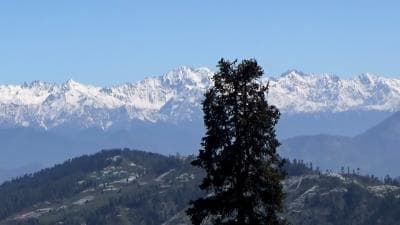
The road sections around Rudraprayag offer mountain views that are worth slowing down for. If you are driving from Rishikesh or Srinagar, the landscape changes through bends, river cuts and hillside villages. Some of the most satisfying moments are not in the town centre but on the approach roads, where you can stop briefly at safe pull-outs and small tea stalls.
Nearby places you can combine with Rudraprayag
Rudraprayag works well with a wider Uttarakhand route. Srinagar in Garhwal is about 35 km away and makes a convenient larger-town halt. Guptkashi is around 45-55 km depending on road conditions and is often used by Kedarnath travellers. If you are building a slower holiday, you can also connect Rudraprayag with Ukhimath, Chopta or even Devprayag and Srinagar over a few days.
Best time to visit Rudraprayag
The most comfortable months are usually March to June and September to November. These periods offer clearer roads, pleasant daytime temperatures and more reliable travel conditions. April and May are especially busy because of pilgrimage movement, so expect more traffic on the highway and slightly higher room rates.
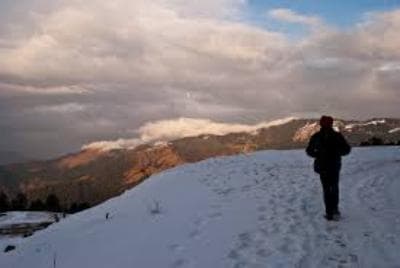
July and August bring heavy monsoon rain, landslide risk and possible road delays. That does not mean you cannot travel, but you should be flexible and check local road updates before starting. December to February can be cold, with chilly mornings and a chance of snow on higher stretches around the region, though the town itself usually remains accessible unless weather disrupts the route.
| Season | Travel feel | Indicative plan |
|---|---|---|
| March-June | Comfortable, busy, good river views | 1 night stopover or 2 nights if exploring nearby |
| July-August | Rainy, slower roads, possible delays | Only if you are flexible with timing |
| September-November | Clear skies, excellent for road travel | Best for photography and temple visits |
| December-February | Cold mornings, quieter town | Warm clothing needed, suitable for short stays |
How to reach Rudraprayag
By road
Most travellers reach Rudraprayag by road from Rishikesh, Haridwar, Dehradun or Srinagar in Garhwal. From Rishikesh, the drive can take around 6-8 hours under normal conditions, though traffic, weather and roadwork can extend it. Shared taxis and state transport buses may be available on some stretches, but schedules can change, so confirm locally before relying on a specific departure.
If you are self-driving, start early in the morning and avoid night driving in the hills unless you know the road conditions well. Fuel up in larger towns, carry water and some snacks, and keep enough buffer time if you have a temple darshan or further connection planned.
By train
The nearest major rail access is usually through Rishikesh or Haridwar, after which you continue by road. Many travellers from Delhi prefer an overnight train to Haridwar or Dehradun and then a cab or bus onward. This can be a comfortable option if you want to reduce fatigue before entering the hills.
By air
The nearest airport is typically Jolly Grant Airport near Dehradun, from where Rudraprayag is reached by road. The drive is long enough that you should plan for a full transfer day, especially if you are arriving on an afternoon flight. Taxi fares vary widely by season and vehicle type, so ask for current rates and confirm luggage space if you are travelling as a family.
Where to stay and what it may cost
Rudraprayag has basic hotels, guesthouses and dharamshala-style stays, with stronger inventory during pilgrimage season. You will find simple rooms suitable for one-night halts, as well as slightly more comfortable mid-range properties with attached bathrooms and river-facing rooms. For most travellers, the realistic budget is around Rs.1,200-Rs.2,500 per night for simple stays and Rs.2,500-Rs.4,500 per night for cleaner mid-range options, though rates can rise in peak months.
If you want better dining variety and easier road access, staying in a larger nearby town can also work. However, many travellers prefer to sleep in Rudraprayag itself because it makes for a shorter next-day start toward Kedarnath-side routes or the Srinagar corridor.
What to eat in Rudraprayag
Food options are practical rather than fancy, which suits the town’s role as a travel stop. Look for North Indian meals, simple thalis, parathas, dal-chawal, maggi, tea and pakoras at roadside eateries. Some places may offer local Garhwali dishes such as mandua roti, bhatt ki dal or seasonal greens, depending on the kitchen and the time of year.
For hygiene, choose busy dhabas and restaurants where food turns over quickly. If you have a sensitive stomach, carry your preferred medicines, drink safe water and avoid overeating on long travel days. A hot cup of tea at a river-view stall can be surprisingly memorable here.
A sensible 1-day or 2-day plan
One-day stopover
- Arrive by afternoon and check in to your hotel.
- Visit the Rudraprayag Sangam before sunset.
- Have an early dinner and rest for the next day’s mountain drive.
Two-day relaxed plan
- Day 1: Reach Rudraprayag, explore the confluence, temple and nearby river points.
- Day 2: Take a short outing toward Guptkashi, Ukhimath or a scenic stretch on the Srinagar road, depending on your onward route.
This is not a place that demands a packed itinerary. The right pace is slow enough to notice the rivers and the movement of pilgrims, but structured enough that you can continue your journey without stress.
Travel tips for Indian visitors
- Start early from Rishikesh, Haridwar or Dehradun to avoid hill traffic.
- Check road conditions and weather updates before travelling, especially in monsoon and winter.
- Carry cash for small purchases, though digital payments may work in many places.
- Keep warm layers, even in summer, because evenings can feel cool.
- Respect temple rules, local customs and quiet zones near the riverbanks.
- If you are continuing to Kedarnath-side locations, build in extra buffer time for traffic and road checks.
Frequently Asked Questions
Is Rudraprayag only a transit point?
No, it is more than a stop on the way to Kedarnath. The confluence, temple atmosphere and legends make it worth a short stay, especially if you enjoy river towns with spiritual importance. That said, most travellers still use it as part of a wider Uttarakhand route.
How many days do you need in Rudraprayag?
One night is enough for a stopover and confluence visit. If you want a slower experience or plan to explore nearby places, two nights can feel more comfortable. Longer stays are usually only necessary if you are using it as a base for local road trips.
Is Rudraprayag safe for solo travellers?
Yes, it is generally manageable for solo travellers, especially in daytime and in the main town area. As with any mountain destination, you should avoid late-night road travel, keep your belongings secure and book accommodation in advance during peak pilgrimage months. Always stay updated on weather and road conditions.
What is Rudraprayag famous for?
It is famous for the confluence of the Alaknanda and Mandakini rivers, its spiritual association with Lord Shiva, and the legends linked to the town. Many travellers also know it as an important gateway on the route toward Kedarnath. The rivers are the main reason people remember the place.
Can you visit Rudraprayag during the monsoon?
You can, but you need to be cautious. Rain can cause delays, slippery roads and occasional landslides on the wider Uttarakhand network. If you travel then, keep flexible timings and avoid tight same-day connections.
Are there good food and stay options available?
Yes, though the choices are simple rather than extensive. You will find basic hotels, guesthouses and local eateries that suit most pilgrims and road travellers. Book ahead in peak season if you want better room quality or a river-facing stay.
Final thoughts
Rudraprayag is one of those Uttarakhand towns that reveals itself slowly. The rivers, the temple stories and the road journey together create a place that feels both practical and meaningful, especially if you are heading deeper into Garhwal. Give it time for a proper stop, not just a quick photo, and it will reward you with a calmer pace between bigger destinations.
If this guide helped you plan your Uttarakhand trip, share the post with someone who is heading to the hills soon.
Planning a Uttarakhand trip?
Tell us your dates and who is travelling. Up to three local travel companies send you their itinerary and price.
Get free quotesDisclaimer: The information in this blog is for general information only. We try to keep it accurate and up to date, but TravelSetu accepts no liability for errors or omissions. If you believe any part of it infringes your rights, please write to info@travelsetu.com.