If you are planning a serious Himalayan trek in Uttarakhand and want something quieter than the crowded Char Dham circuit, Sagar village and the Rudranath trek deserve your attention. This route is for travellers who want forest trails, high-altitude meadows, a deeply spiritual destination, and a village base that still feels rooted in Garhwali life.
In this guide, you will find how to reach Sagar village, what to expect on the Rudranath trail, the best months to go, where to stay, what it may cost, and practical advice that can save you time and effort on the ground.
Why Sagar Village Matters for the Rudranath Trek
Sagar village in Chamoli district is one of the most common roadheads for the Rudranath trek. It sits in a region where mountain roads, village walks, and temple routes come together, so it works well as a base before you begin the ascent. For many trekkers, this is where the trip starts to feel real: the air gets cooler, the roads get narrower, and the pace of life slows down.
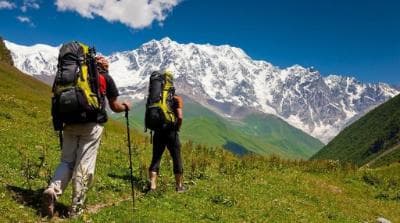
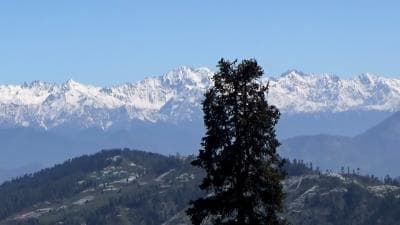
Rudranath is one of the Panch Kedar shrines dedicated to Lord Shiva, and the approach itself is as meaningful as the temple. The trail passes through oak, rhododendron, and mixed Himalayan forest, then opens into alpine terrain with long views of ridgelines and summer grazing grounds. If you like treks that combine pilgrimage, nature, and a sense of remoteness, this one offers all three.
How to Reach Sagar Village
The easiest way to plan this journey is to first reach the main Kumaon-Garhwal access points and then continue by road into Chamoli. Most travellers come via Rishikesh, Haridwar, or Dehradun. From Rishikesh, the road journey to the Rudraprayag-Chamoli side usually takes a full day, often 8-12 hours depending on traffic, roadwork, and halts.
From Chamoli region hubs such as Gopeshwar, local transport or hired vehicles can take you onward to Sagar village and nearby trailheads. Distances can feel short on a map, but mountain roads are slow, and you should plan buffer time. If you are arriving by bus, shared taxi, or private cab, confirm the final drop point in advance because the last leg may change depending on road conditions and season.
Typical travel planning from major points:
- Rishikesh to Chamoli belt: around 8-12 hours by road
- Gopeshwar to Sagar village: usually a shorter mountain drive, but still allow time for bends and village roads
- Dehradun to Rishikesh first: useful if you are connecting from a flight or train
Because bus and taxi availability can change, especially outside peak season, it is wise to confirm transport a day before you leave. For an easier experience, many travellers arrange a vehicle from Rishikesh or Joshimath side with a halt in the Chamoli region.
What the Rudranath Trek Is Really Like
The Rudranath trek is not a casual walk. It is a mountain route with steep sections, uneven stone paths, forest cover, and weather that can shift quickly. The trek is generally approached over more than one day, and the exact route may vary depending on where you start and where you choose to stay overnight. Some trekkers complete it in a single push from a higher trailhead, while others break it into shorter sections for comfort and safety.
On the trail, you can expect dense forest in the lower stretches, then open slopes and meadow sections as you gain height. The terrain is scenic but demanding, especially if you are not used to hill walking. In the monsoon and post-monsoon months, the path can become slippery, and mist can reduce visibility. In early summer, the views are clearer, but the sun can still feel strong at higher elevations during the day.
Temple and surroundings
Rudranath Temple itself is located in a high mountain setting that feels far removed from the busier pilgrimage towns of Uttarakhand. The area is known for its calm atmosphere, alpine backdrop, and devotional importance. If you reach in good weather, the experience often feels both spiritual and physically satisfying because the journey asks something of you before it gives back.
Suggested Itinerary for Sagar Village and Rudranath
The exact plan depends on your fitness, weather, and the local route advice you receive on arrival, but a 3 to 5 day itinerary is a sensible way to think about the trip. This gives you enough time to reach the base, trek without rushing, and keep one buffer day in case of rain or delays.
| Day | Plan | Notes |
|---|---|---|
| Day 1 | Reach Sagar village via Chamoli region | Stay overnight, rest, and check weather and trail updates |
| Day 2 | Begin trek towards your chosen stop point | Keep pace steady; do not overpack |
| Day 3 | Continue to Rudranath area or temple vicinity | Visit temple, rest, and adjust plans based on conditions |
| Day 4 | Return towards trailhead | Start early to avoid afternoon weather changes |
| Day 5 | Drive back from Sagar village or nearby roadhead | Useful as a buffer if the route slows you down |
If you are short on time, you can compress the trip, but that is not ideal at altitude. A slower plan gives you more energy for the climb and more flexibility if clouds, rain, or local movement restrictions affect the route.
Best Time to Visit Rudranath from Sagar Village
The most comfortable months are usually May to June and September to early October. During these windows, the weather is often more stable, the trail is easier to manage, and you have a better chance of mountain views. The monsoon months, roughly July and August, bring rain, slippery paths, and a higher chance of delays.
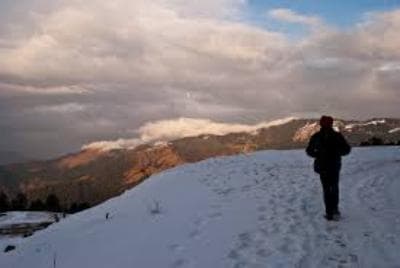
By late autumn, temperatures begin to fall sharply, and many trekkers prefer not to stretch the season too far. Winter conditions in this belt can be harsh, and local access may become difficult. Before you finalise dates, check with local operators or homestays because route accessibility can change from year to year.
Simple season guide:
- May-June: best for moderate weather and clear views
- July-August: risky due to rain, leeches in lower stretches, and slippery trails
- September-early October: good post-monsoon window with crisp air
- Late October onward: colder, with higher chance of difficult conditions
Stay, Food, and Basic Costs
Accommodation around Sagar village and nearby points is usually simple: homestays, guesthouses, dharamshala-style lodging, and trekking camps in some seasons. Do not expect luxury. Most places are designed for comfort, hot meals, and a warm bed rather than elaborate amenities.
Indicative costs can look like this: homestays may start around Rs.800-Rs.1,500 per night for a basic room, while more organised stays or package-linked lodging can go higher depending on the season. If you are trekking with support, meals and camping arrangements may be bundled together. A full local trek package can vary widely, but a rough working budget of Rs.4,500-Rs.12,000 per person for a short guided trip is a reasonable planning range, depending on inclusions, transport, and group size.
Food is usually simple North Indian and Garhwali fare: dal, rice, roti, sabzi, paratha, chai, and sometimes seasonal local dishes. Carry some snacks such as dry fruit, glucose biscuits, energy bars, and ORS. Small shops may be limited once you move away from road access.
Packing and Fitness Tips for This Trek
Pack for cold mornings, wet weather, and long walking hours. A light backpack is far better than a heavy one, especially if you are not trekking with porters. Even in summer, a warm layer is necessary because mountain temperatures drop after sunset.
- Good trekking shoes with grip
- Rain jacket or poncho
- Warm layers, gloves, and a cap
- Reusable water bottle
- Torch or headlamp with spare batteries
- Basic medicines and your personal prescriptions
- Small towel, power bank, sunscreen, and lip balm
Fitness matters more than fancy gear. You should be comfortable walking uphill for several hours, ideally with some practice walks before the trip. If you have breathing issues, knee trouble, or a recent illness, talk to a doctor before planning a high-altitude trek. At altitude, it is always better to go slower than to push hard on day one.
Safety, Permits, and Local Etiquette
Always confirm current route status before leaving Sagar village. In Uttarakhand, mountain conditions can change quickly due to rain, landslides, or local administrative decisions. Permit or registration rules may apply at different times, and they are best checked with local authorities, forest offices, or a reliable trek organiser before you travel.
Follow local etiquette on the trail and near the temple area. Dress modestly, keep the surroundings clean, avoid loud music, and respect any instructions from villagers or caretakers. Carry your waste back with you wherever possible. A trek like Rudranath stays special only if visitors treat the route with care.
Safety reminders:
- Start early to avoid afternoon weather changes
- Do not trek alone if you are new to high-altitude routes
- Keep some cash; digital payments may not work everywhere
- Check mobile network expectations in advance
- Be prepared for limited medical access on the trail
Frequently Asked Questions
How difficult is the Rudranath trek from Sagar village?
It is a moderate to difficult Himalayan trek, depending on your route, fitness, and weather. The climb is steady, and some sections can be steep or uneven. If you walk regularly and keep your backpack light, you will find it manageable with proper pacing.
Can beginners do this trek?
Beginners can attempt it if they are reasonably fit and travel with a guide or experienced group. It is not the best trek for someone with no hill-walking experience and no preparation. A couple of weeks of stair climbing, brisk walking, or uphill practice can make a big difference.
Is Sagar village a good place to stay before the trek?
Yes, it is one of the practical base points for Rudranath travel. You can rest there, arrange local transport, and start early the next day. Staying in Sagar village also gives you a better chance to speak with locals about current trail conditions.
What is the best month for clear views?
September and early October are often excellent for clarity after the monsoon, provided the weather stays stable. May and June are also popular, but there can be more haze in some periods. Always check local conditions before finalising your dates.
Are there ATMs and mobile networks on the route?
Do not rely on frequent ATMs or strong mobile coverage once you move deeper into the mountains. Withdraw cash in a larger town before entering the village belt. Network may be patchy or absent in many stretches, so inform family members in advance.
Should I book a package or go independently?
If you are comfortable arranging transport, stay, and route guidance, independent travel is possible. However, first-timers often prefer a package because it reduces uncertainty and helps with logistics in remote areas. Compare inclusions carefully, especially meals, guide support, and road transport.
Conclusion
Sagar village and the Rudranath trek together make a rewarding Uttarakhand journey for travellers who want devotion, forested mountain paths, and a quieter side of the Himalayas. Plan for the season, keep your itinerary flexible, and give yourself enough time to travel without rushing. If you prepare well, the experience is likely to stay with you long after you return home.
If this guide helped you plan better, share the post with someone who is considering a Uttarakhand trek.
Planning a Uttarakhand trip?
Tell us your dates and who is travelling. Up to three local travel companies send you their itinerary and price.
Get free quotesDisclaimer: The information in this blog is for general information only. We try to keep it accurate and up to date, but TravelSetu accepts no liability for errors or omissions. If you believe any part of it infringes your rights, please write to info@travelsetu.com.