Sobla and Darma Valley Base
If you are planning a serious mountain trip in Uttarakhand and want something quieter than the usual tourist circuit, Sobla and the Darma Valley base deserve your attention. This route is for travellers who enjoy long road journeys, remote villages, and alpine scenery without big crowds, and it gives you a clear idea of how to prepare for the upper Kumaon Himalaya.
In this guide, you will find the best time to go, how to reach Sobla, what the Darma Valley base experience feels like, where to stay, what it may cost, and the practical details that matter when you are heading into a less-developed part of Uttarakhand.
Where Sobla Fits in the Darma Valley Route
Sobla is one of the key access points for the Darma Valley in Pithoragarh district, in the far eastern part of Uttarakhand. It works as a gateway settlement before the road climbs deeper toward villages in the valley such as Dugtu and Dantu, depending on road conditions and local permissions. For many travellers, Sobla is where the easy part of the journey ends and the real Himalayan experience begins.
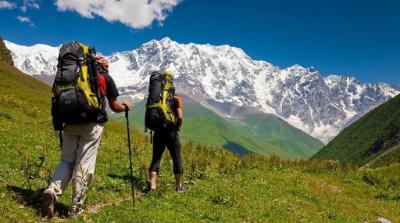
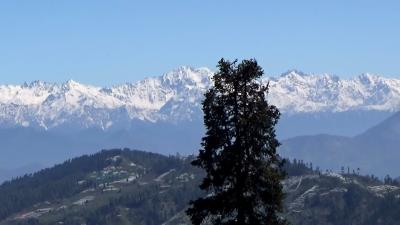
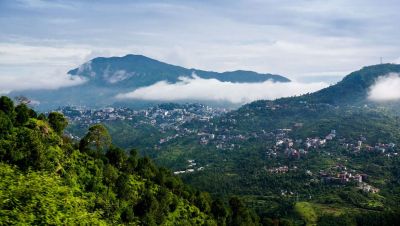
The region sits close to the border areas of Kumaon, so the landscape feels remote, with steep valleys, river crossings, and villages that still follow a more traditional mountain rhythm. You should come here for scenery, village culture, and access to high-altitude walks rather than for luxury or fast-paced sightseeing. It is especially suitable if you like road trips, photography, and long days in the mountains.
Who this route suits
This is a good choice for trekkers, seasoned hill travellers, nature lovers, and anyone planning a deeper Uttarakhand trip beyond Nainital, Mussoorie, or Auli. It also suits people who are comfortable with basic facilities and understand that weather, road closures, and local transport timings can change quickly in the hills.
Best Time to Visit Sobla and Darma Valley Base
The most reliable travel window is usually from April to June and then again from September to mid-November. These months generally offer better road access, clearer views, and more stable weather than the monsoon period.
Spring and early summer: April to June
This is one of the best seasons if you want pleasant daytime temperatures and green slopes. Days are generally comfortable, while mornings and evenings can still feel cold, especially as you move higher. If you are planning a longer stay or a trek start, this season makes logistics easier because roads are less likely to be disrupted by rain.
Autumn: September to mid-November
After the monsoon, the air becomes crisp and the mountain views are often at their sharpest. This is a strong choice for photography and village walks. Pack warmer layers, because nights can get noticeably cold once winter approaches, particularly in October and November.
When to avoid if possible
July and August bring monsoon challenges, including slippery roads, landslide risk, and unpredictable delays. Deep winter, from late December to February, can also be difficult because of snow and freezing temperatures in the higher stretches. If you do travel then, expect limited movement and confirm local road conditions before leaving Pithoragarh.
How to Reach Sobla from Uttarakhand and Beyond
Most travellers begin from Pithoragarh, which is the nearest major town for planning supplies, local transport, and overnight stays. From there, the drive toward Sobla takes several hours, depending on road conditions and the exact starting point in Pithoragarh district. Since mountain roads are slow, even moderate distances can take much longer than they look on a map.
By road
If you are coming from Kathgodam or Haldwani, plan a road journey to Pithoragarh first. From Kathgodam, the drive is long and usually takes most of a day, often around 8-10 hours or more depending on traffic, roadwork, and stops. Haldwani to Pithoragarh is similarly time-consuming, so many travellers break the journey at Almora, Bageshwar, or Berinag.
From Pithoragarh, local taxis or shared vehicles may be available toward Dharchula side routes and then onward to Sobla, subject to local connectivity and road status. Because vehicle availability can vary, it is wise to arrange transport in advance if you are travelling in peak season or with a fixed itinerary.
By train and air
The nearest major railhead for most visitors is Kathgodam. The nearest airport is generally Pantnagar, but flight options can be limited and you will still need a long road transfer. For most travellers, the train-to-road combination via Kathgodam is the more practical choice.
Indicative travel plan
| Stage | Approximate time | Notes |
|---|---|---|
| Kathgodam to Pithoragarh | 8-10 hours | Long hill drive; break the journey if needed |
| Pithoragarh to Sobla | Several hours | Depends on road condition and local transport |
| Sobla to deeper Darma Valley villages | Varies widely | Road and permission situation can change |
What the Darma Valley Base Experience Feels Like
The Darma Valley base is not a single polished tourist stop. It is more a region of access and preparation, where your journey shifts from standard road travel to a slower Himalayan pace. You will notice that the villages are quieter, the air is cleaner, and the landscape becomes more dramatic as you move closer to the upper valley.
Expect a mix of mountain roads, river views, terraced fields, and traditional homes. You may see shepherds, local families, and a few trekkers carrying supplies for higher camps. This is one of the reasons the area feels so rewarding: it still functions primarily as a living valley, not a commercial tourism zone.
Things to do around the base
- Walk through nearby villages and observe local life at a gentle pace.
- Spend time along river sections and bridges where the valley opens out.
- Use Sobla as a staging point for treks deeper into Darma Valley, depending on current access.
- Take early morning and late afternoon photographs when the light is softer.
- Rest and acclimatise before going higher, especially if you are continuing to remote villages.
Do not rush this part of the trip. The roads, altitude, and limited facilities make it better to build in buffer time. A day or two at the base can help you adjust, check supplies, and confirm the next step with local contacts.
Where to Stay and What to Eat
Accommodation in Sobla and around the Darma Valley base is usually basic and functional. You may find small guesthouses, homestays, and simple lodges rather than large hotels. Expect clean beds, hot tea, home-style meals, and simple rooms instead of polished amenities.
Stay options and price range
For a realistic budget, simple stays in and around the area may cost about ?800-?2,000 per night, while slightly more comfortable rooms in larger nearby towns can go up to ?2,500-?4,000 per night in peak times. In remote stretches, the exact price depends on season, occupancy, and what facilities are available, so confirm before booking.
Food to expect
Meals are usually straightforward Kumaoni or home-style North Indian food, often including dal, rice, roti, seasonal vegetables, and tea. In more remote pockets, choices can be limited, so do not expect a large menu. If you have dietary restrictions, carry some backup snacks and explain your needs in advance when possible.
Carry enough drinking water, dry fruits, energy bars, glucose biscuits, and any medicine you regularly use. Once you move away from the larger towns, supplies become less predictable.
Budget, Transport, and Local Practicalities
A sensible budget depends on whether you are travelling independently, with local transport, or through a packaged trip. For a short base-area visit with road travel from a nearby town, you can roughly plan for ?3,500-?7,000 per person per day if you include stay, meals, and local transport, though the total may go higher if you hire private cabs for remote sections.
Likely costs to factor in
- Shared/local transport: lower cost, but less flexible and not always available on demand.
- Private taxi: often the best option for comfort and time, especially in a small group.
- Food: budget around ?300-?700 per day in simple settings.
- Buffer for delays: always keep extra money for unscheduled nights or transport changes.
ATMs and card acceptance can be inconsistent once you move away from major towns, so keep cash in smaller denominations. Mobile network coverage is also patchy in many mountain stretches, and internet access may be limited. Tell someone your route and expected check-in points before you head deeper into the valley.
Packing Tips for Sobla and Darma Valley
What you pack can make the difference between a smooth and frustrating trip. Since the weather can change quickly, layers are more useful than heavy single garments. Good walking shoes matter because road ends and village paths are not always smooth.
What to carry
- Warm layers, including a fleece and a light-down or insulated jacket
- Rain protection during shoulder or monsoon months
- Comfortable trekking shoes with decent grip
- Power bank, torch, and basic first-aid kit
- Any prescribed medicines, plus altitude and stomach relief basics if advised by your doctor
- Snacks, reusable water bottle, and sunscreen
- Photo ID and enough cash
If you plan to continue beyond the base, ask about local guide availability and road or trail status. In remote Uttarakhand, the best plan on paper can still change after one overnight rain spell, so stay flexible.
Frequently Asked Questions
Is Sobla a good base for Darma Valley travel?
Yes, Sobla is one of the practical access points for the Darma Valley region. It is useful for staging, rest, and checking local conditions before going farther. Since road and permit situations can change, confirm the current route before finalising your plan.
How many days should I keep for this trip?
For a basic Sobla and base-area visit, keep at least 3-4 days from Pithoragarh side. If you want to explore more deeply or continue into higher villages, 5-7 days is safer. This also gives you buffer time for road delays.
Is the area suitable for first-time mountain travellers?
It can be, but only if you are comfortable with basic stays, long road journeys, and limited facilities. First-time travellers should avoid overpacking the itinerary. A slower approach with a local driver or organised package is wiser than trying to self-manage every transfer.
Do I need special permits for the Darma Valley area?
Depending on your route and current local rules, special permissions or reporting requirements may apply because of the border-region location. These rules can change, so check with local authorities, your homestay host, or a reliable travel operator before you travel. Do not assume the process will be the same as in a regular Uttarakhand hill station.
What is the biggest mistake travellers make here?
The most common mistake is underestimating distance and road time. On the map, places can look close, but mountain travel is slow. Another mistake is carrying too little cash or expecting strong network coverage throughout the valley.
Can I do this trip in winter?
You can, but only with careful planning and a very flexible mindset. Winter can bring freezing temperatures, snow, and road disruptions in higher sections. If you are not used to harsh mountain conditions, a spring or autumn visit is a better choice.
Conclusion
Sobla and the Darma Valley base offer a side of Uttarakhand that feels honest, quiet, and deeply connected to the mountains. If you want a trip that combines road adventure, village life, and a real sense of remoteness, this is a strong choice, provided you plan for the limited facilities and changing conditions.
Take your time, check the latest road and weather situation before leaving, and keep your itinerary flexible. If you found this guide useful, please share it with fellow travellers planning a trip to Uttarakhand.
Disclaimer : The information provided in this blog is for general informational purposes only. While we strive to keep the content accurate and updated, TravelSetu assumes no liability for errors or omissions. If you believe any part of this blog infringes your rights or causes concern, please notify us immediately at info[at]travelsetu[dot]com so that appropriate action can be taken.