Tharali and Pindar River Villages
If you are planning a quiet Uttarakhand trip away from the usual hill-station rush, Tharali and the villages along the Pindar River deserve a place on your list. This stretch in Chamoli district is for travellers who want mountain roads, village life, river views, small temples, and a slower pace that still feels very real. In this guide, you will find how to reach the area, when to go, where to stay, what to eat, and how to plan a practical trip without overcomplicating it.
Why Tharali and the Pindar River Villages are worth your time
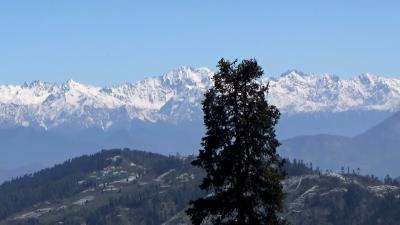
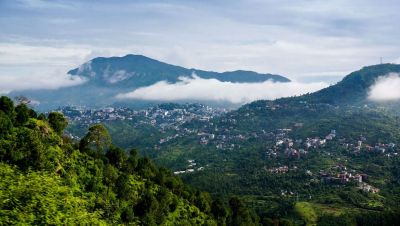
Tharali is not a flashy tourist town, and that is exactly the appeal. It works as a base for exploring the lower and middle reaches of the Pindar River valley, where you will find scattered villages, terraced fields, forest edges, and long views of the Garhwal Himalaya on clear days. The experience is more about walking through hamlets, talking to locals, and pausing by the river than checking off a list of attractions.
For Indian travellers, this region is ideal if you want a mountain break that feels grounded and affordable. You can combine simple homestays, temple visits, short village walks, and scenic drives in a 2-4 day itinerary. The area also suits families, couples, photographers, and travellers who enjoy rural India more than crowded hill stations.
Where Tharali is and what the Pindar River route feels like
Tharali lies in Chamoli district of Uttarakhand, on the road network that connects smaller settlements in the Pindar valley with larger towns such as Karnaprayag. The route is mountainous, with winding roads, river bends, and frequent village stops. From Karnaprayag, the drive to Tharali is roughly 35-45 km and usually takes about 1.5 to 2 hours depending on road conditions and traffic.
The Pindar River flows through this broader landscape, and the villages along its course sit at different elevations and distances from the main road. Some are easy to access by vehicle, while others require short walks from parking points or from the road itself. You should expect a real hill journey here, not a smooth tourist circuit. That means slow travel, roadside chai breaks, and occasional road works during the rainy season or after winter snowfall.
How to reach Tharali
By road from major Uttarakhand gateways
The most practical way to reach Tharali is by road. From Rishikesh or Haridwar, the journey to Tharali usually takes around 8-10 hours, depending on traffic, weather, and the time you leave. From Dehradun, expect a similar day-long drive. If you are starting from Delhi, many travellers break the journey with a night halt at Rishikesh, Srinagar, or Karnaprayag rather than pushing through in one stretch.
You can hire a private cab, self-drive if you are comfortable with mountain roads, or use a combination of buses and shared jeeps. Shared transport is available on main routes, but timings can be irregular, so keep buffer time in your plan. A private taxi from Rishikesh or Haridwar to Tharali can often cost in the range of ?6,000-?10,000 one way, depending on vehicle type and season. Confirm current rates before booking.
Nearest rail and air options
The nearest useful railheads are usually at Rishikesh and Haridwar, though many travellers also consider Kathgodam for broader Kumaon-linked itineraries. For flights, Dehradun’s Jolly Grant Airport is the most practical option. From the airport, you will still need to continue by road, and the drive to Tharali will take several hours. If your trip is short, plan the last road leg carefully so you do not arrive too late in the evening.
Best time to visit and what each season feels like
The most comfortable time to visit Tharali and the Pindar River villages is generally March to June and then September to November. These months usually offer better road conditions, clearer views, and pleasant daytime temperatures. In spring and early summer, the hills are green and the river looks lively. Post-monsoon months often bring crisp air and far-reaching mountain visibility.
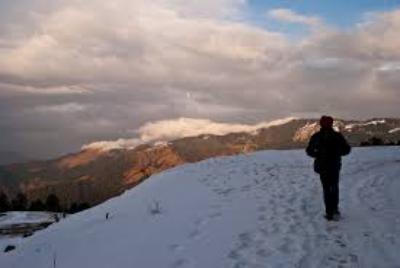
Monsoon, roughly July to August, is trickier. The landscape becomes lush, but roads can face landslides, delays, or temporary closures. Winter, especially late December to February, can bring cold mornings and occasional snow-related access issues in higher parts of Chamoli district. If you are visiting then, carry proper woollens and check local road updates before you leave.
| Season | What it is like | Best for |
|---|---|---|
| March to June | Comfortable weather, green valleys, good road access | Village walks, family trips, photography |
| July to August | Rainy, lush, but landslide-prone | Experienced travellers who can stay flexible |
| September to November | Clear skies, cool evenings, good mountain views | Scenic drives, relaxed stays, short treks |
| December to February | Cold, sometimes difficult access in higher stretches | Travellers prepared for winter hill conditions |
What to do in Tharali and around the Pindar River villages
Explore village life slowly
The real draw here is everyday mountain life. Walk through villages, watch terraced farming, and notice how homes, cattle sheds, water points, and small footpaths fit into the landscape. If you stay in a homestay, the host family may guide you to nearby fields or introduce you to local customs. Keep your camera ready, but always ask before photographing people, homes, or ritual spaces.
Take short river-side drives and walks
The Pindar River valley rewards unhurried movement. Even a short drive can reveal different viewpoints, suspension bridges, temple stops, and tea stalls with valley views. You do not need a high-altitude trek to enjoy the area; often the best moments come from stopping by the road, listening to the river, and looking across layered hills and fields.
Visit nearby temples and local sacred spaces
Chamoli district is dotted with temples and local shrines that are deeply tied to daily life. Around Tharali and nearby settlements, you may come across small village temples, seasonal prayer spots, and community worship spaces. The exact places you visit may depend on local recommendations, road access, and your homestay host. Dress modestly and move quietly around these places.
Use the area as a base for gentle regional exploration
If you have extra time, you can plan side trips within the broader Chamoli region, depending on road conditions and your travel goals. Some travellers combine Tharali with a longer Garhwal circuit that includes Karnaprayag, Nandprayag, or other nearby river confluences. Do not try to pack too much into a short trip; the roads are scenic but slow.
Where to stay: homestays, guesthouses, and simple comforts
Accommodation around Tharali is usually modest and practical rather than luxurious. Expect homestays, basic guesthouses, and family-run stays with simple rooms, home-cooked meals, and local hospitality. For Indian travellers, this can be a big advantage because you get local food, direct advice on roads and weather, and a quieter stay than in a commercial hotel.
Typical homestay or guesthouse rates can range from ?1,200-?3,500 per night, depending on room quality, meal inclusion, and the season. If you prefer more privacy or are travelling with elders, ask in advance about attached bathrooms, hot water, parking, and cellular network. In remote parts of Uttarakhand, these small details matter more than fancy decor.
Book early if you are travelling during long weekends, school holidays, or festive dates. Also ask whether the property can arrange dinner, as eating options outside the stay may be limited after dark.
What to eat and what to pack
Food in this part of Uttarakhand is simple, warm, and satisfying. You may get dal, rice, seasonal sabzi, roti, aloo-based dishes, mandua preparations, and local pahadi-style meals depending on the stay. Tea is a major part of the travel experience here, and roadside tea stops can become some of your nicest breaks.
Pack with mountain practicality in mind. A small daypack, reusable water bottle, power bank, torch, basic medicines, and layered clothing will help. Even in summer, evenings can feel cool. In winter, add thermals, gloves, and a windproof jacket. If you are sensitive to travel sickness, carry your preferred medication because the roads include bends and altitude changes.
- Light woollens even in shoulder season
- Comfortable walking shoes with a good grip
- Rain jacket or umbrella if travelling between July and August
- Cash in smaller notes, as digital payments may not work everywhere
- Snacks for the road, especially if you are travelling with children or elders
Suggested 2-day itinerary for a relaxed trip
A short trip works well here if you keep it simple. On Day 1, reach Tharali by afternoon or early evening, settle into your homestay, and take a short walk in the village before dinner. Use the rest of the evening for tea, conversation, and an early night, because hill travel is tiring even when the distance looks manageable on a map.
On Day 2, leave after breakfast for a slow drive through nearby Pindar River villages. Stop for photos, temple visits, and tea breaks. If the weather is clear and the road conditions are good, you can extend the day to nearby viewpoints or combine the trip with a larger Garhwal route. Aim to finish your sightseeing by late afternoon so you are not driving after dark.
If you have 3-4 days, add one overnight halt in Karnaprayag or another nearby base on the way in or out. That makes the journey much more comfortable and gives you flexibility if the roads are delayed.
Practical travel tips for Indian travellers
Mobile network coverage can be patchy in some stretches, so inform family about your route before you leave. Carry offline maps if possible, but also rely on locals for real-time road information. Mountain travel changes quickly, and a detour that seems small on a map can add a lot of time.
Respect local routines. Many villages wake early and wind down early, so avoid loud music, late-night noise, and intrusive photography. If you buy local produce or snacks, pay fair prices and support small shops. This region benefits most when travellers spend thoughtfully rather than rushing through.
Road conditions in Uttarakhand can change after rain, snowfall, or maintenance work, so check before departure and again on the morning you travel. This is especially important if you are travelling with senior citizens, children, or a strict train or flight connection on the other end.
Frequently Asked Questions
Is Tharali suitable for a family trip?
Yes, if your family is comfortable with mountain roads and simple accommodation. Tharali is better for slow, nature-focused travel than for high-energy sightseeing. Families usually enjoy the quiet atmosphere, village walks, and homestay hospitality.
How many days do I need for Tharali and the Pindar River villages?
Two days is enough for a short introduction, especially if you are using Tharali as a stopover. Three to four days is better if you want to move at a relaxed pace and explore nearby villages properly. Longer stays make sense if you want to combine this with a wider Chamoli district itinerary.
Are there ATMs and fuel pumps nearby?
You may find basic facilities in nearby larger settlements, but they are not guaranteed to be close to every village. It is wise to carry enough cash and refuel before you enter more remote stretches. Always confirm current availability locally before relying on a single point for essentials.
Can I visit during monsoon?
You can, but only if you are flexible and comfortable with possible delays. Monsoon travel in the hills carries the risk of roadblocks and reduced visibility. If you are on a fixed schedule, another season is safer and more convenient.
What kind of clothes should I carry?
Carry layers, because mornings and evenings can be much cooler than midday. In summer, light woollens are usually enough, while winter demands heavier jackets and thermals. Good walking shoes are more useful than formal footwear in this terrain.
Is this area good for photographers?
Yes, especially if you enjoy village scenes, river bends, field patterns, and soft mountain light. Early mornings and late afternoons are usually the best times for photography. Just remember to ask permission before taking close-up photos of people or homes.
Tharali and the Pindar River villages give you a side of Uttarakhand that is calm, local, and refreshingly unhurried. If you are looking for a trip where the journey matters as much as the destination, this region delivers that experience with sincerity rather than spectacle.
Share this post with someone who enjoys village travel, mountain roads, and a quieter Uttarakhand itinerary.
Disclaimer : The information provided in this blog is for general informational purposes only. While we strive to keep the content accurate and updated, TravelSetu assumes no liability for errors or omissions. If you believe any part of this blog infringes your rights or causes concern, please notify us immediately at info[at]travelsetu[dot]com so that appropriate action can be taken.