If you are planning a Uttarakhand trip and want something quieter than the usual crowded hill stations, Urgam Valley and Kalpeshwar make a lovely combination. This route suits you if you enjoy short treks, village landscapes, temple visits, and a slower pace in the Garhwal Himalayas, with enough practical detail here to help you plan the journey confidently.
Why Urgam Valley and Kalpeshwar belong on your Uttarakhand itinerary
Most travellers know the Char Dham corridor, Joshimath, or the valley routes around Auli. Urgam Valley sits a little off the main tourist rush, in Chamoli district, and feels more intimate and local. Kalpeshwar, one of the Panch Kedar shrines, adds spiritual significance to the trip, so you get both mountain scenery and an important pilgrimage experience in one itinerary.
This is not a place for fast sightseeing. The reward comes from walking through villages, seeing terraced fields, and spending time in a landscape that still feels lived-in rather than packaged. If you want a short Himalayan escape that is manageable for most fit travellers, this is one of Uttarakhand’s better combinations.
Where Urgam Valley is and how Kalpeshwar fits in
Urgam Valley is in the upper Garhwal region of Uttarakhand, close to Joshimath and accessible via Helang and Tapovan side routes. Kalpeshwar lies further up the valley route and is reached by a road-and-trek combination depending on the exact access point and road condition at the time of travel. The area is typically approached from Rishikesh or Haridwar via Devprayag, Srinagar, Rudraprayag, Karnaprayag, Nandprayag, Chamoli, and Joshimath.
For most travellers, Joshimath is the base town to break the journey. From there, local transport or a private cab can take you toward Helang and the Urgam Valley side. Road conditions in this part of Uttarakhand can change with rain, landslides, or winter weather, so you should always confirm the latest status before leaving Joshimath or booking a cab.
The best time to plan your trip
The most comfortable months are usually April to June and September to November. In these periods, the weather is generally clearer, daytime walking is easier, and mountain views are more reliable. Summer is pleasant compared with the plains, while autumn brings crisp air and fewer weather disruptions.
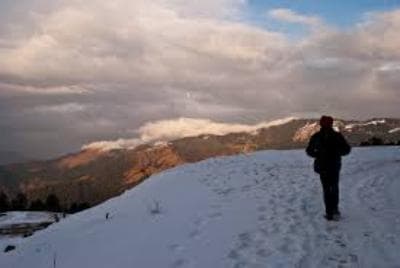
July and August are monsoon months, and in Uttarakhand this can mean slippery trails, rain delays, and occasional road blocks. If you are travelling then, keep buffer time and do not plan tightly connected onward travel. December to February can be cold, with frost or snow in higher stretches, and some routes may become difficult for less experienced travellers.
How to reach Urgam Valley and Kalpeshwar
The most practical route is by road from Rishikesh or Haridwar to Joshimath. From Rishikesh, the drive can take roughly 9-12 hours depending on traffic, weather, and stoppages. From Haridwar, expect a similar full-day journey. If you start from Dehradun, the travel time is also long, and many travellers find it easier to take an overnight halt in Rishikesh before continuing.
| Route | Approximate time | Notes |
|---|---|---|
| Rishikesh to Joshimath by road | 9-12 hours | Best broken with stops at Srinagar or Rudraprayag |
| Joshimath to Urgam Valley approach | 1-3 hours by road, then further local access | Depends on road condition and exact village base |
| Walk to Kalpeshwar from the nearest road point | Varies by access point | Expect a short trek segment; confirm locally before starting |
Because the last-mile access may change with local conditions, it is smart to ask your homestay host, driver, or local tourism contact about the current route to Kalpeshwar. Sometimes the road is serviceable up to a point, and at other times you will need to walk more than usual. Build flexibility into your day.
What the Kalpeshwar trek and temple visit feel like
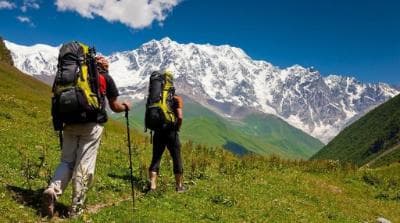
Kalpeshwar is the smallest and most accessible of the Panch Kedar shrines in terms of trek effort, but that does not make it casual. The approach usually involves a peaceful mountain walk through village land and forest patches, followed by a visit to the temple cave area. The setting is quiet, and the mood is very different from busier pilgrimage centres in Uttarakhand.
You do not need advanced trekking experience for this route, but you should be steady on your feet and comfortable with uneven paths. Good shoes matter more than fancy gear. Carry a light backpack, water, a rain layer if you are travelling during the wetter months, and a small torch if you expect to move early or late in the day.
Temple timing can vary by season and local practice, so check with the temple authorities or locals before your visit. If you are coming for darshan, try to keep your schedule loose. The atmosphere rewards patience, not rushing.
Why Urgam Valley feels different from other Uttarakhand valleys
Urgam Valley is known for its village life, terraced farming, apple orchards in some stretches, and broad views of the surrounding hills. It does not feel overdeveloped, which is exactly why many travellers enjoy it. You are more likely to hear local conversations, temple bells, and birdsong than tourist noise.
The valley is also a good place to understand the rhythm of life in Garhwal. People here still depend on the land, seasonal movement, and small-scale tourism. If you stay in a village homestay, you may get simple meals, warm hospitality, and the chance to learn about local customs without a showy presentation.
What to expect from the landscape
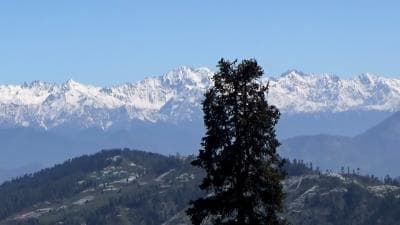
The views are layered rather than dramatic in a postcard sense. You get ridgelines, fields, forested slopes, and the sense of altitude building gradually as you move higher. In spring and autumn, the colours are especially pleasant. In winter, the same route can become stark and cold, which appeals to some travellers but not all.
What kind of traveller will enjoy it most
This route suits couples, small groups, solo travellers with mountain experience, and families who prefer calm over activity overload. It is also a good add-on if you are already going to Joshimath, Auli, or the Chamoli belt. If your idea of a holiday is luxury hotels and easy shopping, this valley may feel too quiet. If you enjoy meaningful mountain travel, it will likely stay with you.
Where to stay and what it may cost
Accommodation in and around Urgam Valley is usually basic to comfortable, with homestays and small guesthouses being the most practical choices. In Joshimath, you will find more options, including mid-range hotels and a few more comfortable stays. For a two-night plan, many travellers prefer one night in Joshimath and one night deeper in the valley if logistics allow.
Indicative prices are useful for planning, though they change by season. In Joshimath, a decent room may cost around Rs.1,500-Rs.4,000 per night. In village homestays around Urgam, expect roughly Rs.1,000-Rs.2,500 per night, often including simple meals. During peak pilgrimage or holiday periods, prices can rise, so booking ahead is sensible.
Meal costs are usually moderate if you are eating at homestays or local dhabas. Budget around Rs.250-Rs.600 per meal depending on the setup. Keep cash with you, because digital payments may be unreliable in remote stretches.
Suggested itinerary for a short Uttarakhand trip
A practical plan is a 3-day trip, though 4 days is more comfortable. Here is a simple structure:
- Day 1: Travel from Rishikesh or Haridwar to Joshimath. Stop for lunch at Rudraprayag or Karnaprayag, reach Joshimath by evening, and rest.
- Day 2: Move toward Urgam Valley, settle into a homestay, and spend the afternoon exploring the nearby village area and local viewpoints.
- Day 3: Visit Kalpeshwar with enough time for the walk, darshan, and a calm return journey to Joshimath or onward travel.
If you have an extra day, use it for a slower valley walk, a second temple visit, or simply resting without a tight schedule. That extra day can be very valuable if road conditions are uncertain.
Food, packing, and local etiquette
Food in this part of Uttarakhand is usually simple and satisfying. Expect dal, rice, roti, seasonal vegetables, and possibly local preparations depending on where you stay. Do not expect a large restaurant scene. Instead, think of home-style meals cooked with whatever is locally available.
Pack for altitude and changing weather. Even in summer, mornings and evenings can feel cool. A good checklist includes a warm layer, rain jacket, sturdy shoes, sunscreen, sunglasses, a refillable water bottle, basic medicines, and ID proof. If you are travelling in winter or just after the monsoon, add extra socks and a power bank.
Respect local customs near the temple and in villages. Dress modestly for temple visits, avoid loud behaviour, and ask before photographing people or homes. These small courtesies matter in a place where tourism and daily life still overlap closely.
Practical planning tips for a smoother journey
Book your transport early if you are travelling during summer holidays, long weekends, or the pilgrimage season. Shared transport may be available up to Joshimath, but the final stretch is easier with a private cab if you want flexibility. Confirm vehicle condition, road clearance, and the driver’s familiarity with the area before leaving.
Keep at least one buffer night in Joshimath if you have a fixed train or flight out of Dehradun, Haridwar, or Rishikesh. Mountain delays are common, and forcing a same-day return can make the trip stressful. Also, check the latest local guidance about road conditions, temple access, and weather before you start the last leg.
Frequently Asked Questions
Is Urgam Valley suitable for first-time visitors to Uttarakhand?
Yes, if you are comfortable with long road journeys and basic mountain travel. It is less complicated than many high-altitude treks, but you still need patience because the access roads can be slow. If this is your first Himalayan trip, keeping Joshimath as your base helps make the journey easier.
How difficult is the visit to Kalpeshwar?
Kalpeshwar is among the more accessible Panch Kedar shrines, but it still involves walking on uneven mountain paths. Most reasonably fit travellers can manage it with regular breaks. If you have knee issues or low stamina, arrange your pace carefully and check the route before starting.
Can I do Urgam Valley and Kalpeshwar in one day?
Technically it may be possible from a nearby base, but it is not the best way to enjoy the area. Road delays, walking time, and temple visits can easily stretch the day. A 2-night or 3-day plan is much more comfortable and safer.
What is the nearest major base town?
Joshimath is the most practical base for most travellers. It has more accommodation, transport options, and food choices than the smaller valley settlements. From there, you can plan the Urgam Valley and Kalpeshwar leg more easily.
Are there ATMs and mobile network coverage?
Joshimath usually has better access to banking and mobile services than the inner valley. In Urgam Valley and near Kalpeshwar, coverage can be patchy and unreliable. Carry enough cash and do not depend on mobile data for essential bookings.
Is this trip possible during winter?
Yes, but you need to be prepared for cold weather and possible access issues. Road and walking conditions can become more difficult after snowfall or frost. If you prefer a safer and simpler experience, spring and autumn are generally better choices.
Urgam Valley and Kalpeshwar offer a quieter side of Uttarakhand that many travellers miss because they rush toward busier hill destinations. If you enjoy slow mountain travel, local culture, and a meaningful temple visit, this route can be deeply rewarding with just the right amount of effort. Plan with flexibility, confirm conditions before you go, and let the journey set the pace for you.
If this guide helped you, share the post with someone planning a Uttarakhand trip.
Planning a Uttarakhand trip?
Tell us your dates and who is travelling. Up to three local travel companies send you their itinerary and price.
Get free quotesDisclaimer: The information in this blog is for general information only. We try to keep it accurate and up to date, but TravelSetu accepts no liability for errors or omissions. If you believe any part of it infringes your rights, please write to info@travelsetu.com.