If you are planning a high-altitude trek in Uttarakhand and want something that feels remote without being overly technical, Wan Village and the Roopkund Base route deserve your attention. This guide is for travellers who want a practical, India-focused briefing on where Wan fits into the trek, how to reach it, when to go, what it costs, and how to prepare for the altitude.
Roopkund may be the name that draws you in, but Wan Village is where the journey often becomes real. It is the last major road-linked settlement on this side of the trail and a useful base for understanding the terrain, the people, and the rhythm of life in the Chamoli region of Uttarakhand.
Where Wan Village Fits in the Roopkund Trek
Wan Village is a small mountain settlement in Chamoli district, usually approached via Karanprayag, Dewal, and Mundoli. For many trekkers, it acts as the gateway to the Roopkund route, especially if you are taking the classic path toward Bedni Bugyal, Ghora Lotani, Pathar Nachauni, and finally the higher alpine sections. The village sits at a modest altitude compared with the trek above, so it is a sensible place to rest, sort supplies, and adjust your pace before gaining height quickly.
Most itineraries treat Wan as either the starting point or an important overnight halt before heading into the meadow zone. It is also where you get your first real sense of Garhwali village life on this trail: stone houses, terraced fields, apple orchards in some seasons, and a slower pace than the road towns below.
How to Reach Wan Village from Uttarakhand Cities
The usual access route to Wan is by road from Rishikesh or Haridwar through Karnaprayag. From Rishikesh, the drive typically takes around 10-12 hours depending on road conditions, weather, and traffic. From Karnaprayag, it is a much shorter mountain drive, but still allow several hours because the roads narrow and bend frequently as you move toward Dewal and Mundoli.
If you are coming from Delhi, most travellers first reach Rishikesh by overnight train, bus, or private car, then continue onward by road. Shared jeeps may be available on parts of the route, but they are irregular, and you should not depend on fixed schedules. A private cab from Rishikesh to Wan can cost roughly Rs.8,000-Rs.14,000 one way, depending on vehicle type, season, and negotiations.
Road conditions in this region can change quickly during monsoon, late winter, or after landslides. Always check the latest status before you leave, and keep an extra buffer day if your trek plan is tight.
Why Wan Village Matters Before the Trek
Wan is more than just a checkpoint. It helps you transition from city travel to trekking mode. Here, you can pack your bags properly, arrange porters or local support if needed, confirm your trekking permits, and buy last-minute essentials such as dry snacks, batteries, gloves, or a walking stick if available locally. Mobile connectivity can be patchy, so this is also your chance to inform family or your coordinator before you move higher.
The village itself is worth a slow walk if time permits. You may see village temples, cattle sheds, and children on their way to school. Local homestays and tea stalls are usually simple but welcoming, and they offer an honest picture of how life works in the upper Garhwal hills.
Typical Roopkund Base Trek Route from Wan
The route from Wan toward Roopkund is usually split into several trekking days, and operators may use slightly different names for camps. A common sequence includes Wan to Bedni Bugyal, then onward to Ghora Lotani or a similar campsite, and then to Pathar Nachauni or Bhagwabasa before the higher snow-line sections. Roopkund Base itself is often used to describe the staging area below the lake approach, though many itineraries focus more on the camps before the final climb.
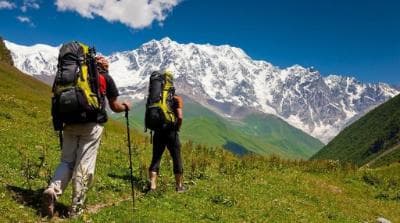
Expect long ascents, open meadows, and then a sharper mountain feel as you move higher. Distances and hours vary by itinerary, weather, and pace, but as a broad guide, each trek day may take 4-7 hours. The trail can be manageable for fit first-time trekkers, but the altitude makes it feel harder than the map suggests.
| Section | Approx. time | What to expect |
|---|---|---|
| Wan to Bedni Bugyal | 4-6 hours | Steady climb, forest stretches, then wide meadow views |
| Bedni Bugyal to higher camp zones | 4-5 hours | Open ridges, changing weather, strong wind possible |
| Higher camps to Roopkund side approach | 3-6 hours | Rougher terrain, thinner air, snow patches in season |
Best Time to Visit Wan Village and Roopkund Base
The most reliable trekking windows are usually late spring to early summer and the post-monsoon months, though exact access to the upper Roopkund route can vary year to year because of weather, snow conditions, and administrative decisions. In many seasons, May and June are popular for clearer trails and meadows coming alive, while September and October often offer crisp skies and stable walking conditions.
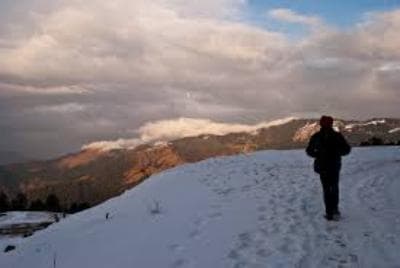
Monsoon months, especially July and August, are generally risky for this region because of slippery trails, cloud cover, and the chance of road disruptions. Winter brings heavy snow at higher elevations and can close parts of the route. If you are planning a trek, confirm current trail status, permit rules, and campsite access close to your departure date.
Staying in Wan: Homestays, Food, and Local Comforts
Accommodation in Wan is usually basic and functional. You will find homestays, simple guest rooms, and trek-support lodges rather than polished hotels. Expect shared or attached washrooms in many places, hot water on request in some homes, and locally cooked meals such as dal, rice, roti, seasonal vegetables, and tea. A night in a homestay may cost around Rs.800-Rs.1,500 per person, depending on the season and what is included.
Food on the trek is generally simple and filling. If you have specific dietary needs, tell your host or trek operator in advance. Carry your own medication, energy snacks, and a reusable bottle, because options become limited once you leave the village.
What to Pack for Wan and the Higher Trek
- Good trekking shoes with grip
- Layered clothing, including a fleece and waterproof shell
- Gloves, cap, sunglasses, and sunscreen
- Water bottle or hydration bladder
- Headlamp with spare batteries
- Personal medicines, including altitude-related essentials if prescribed
- Power bank, since charging may be limited or paid
Altitude, Fitness, and Safety on the Route
Altitude is the biggest factor on this trek. Even if you are fit, you should not assume the climb will feel easy. The body needs time to adjust, and the higher sections can bring headaches, nausea, breathlessness, or unusual fatigue. If symptoms worsen, descend immediately and do not try to “push through” in silence.
For preparation, it helps to walk or run regularly for a few weeks before the trip, and practice uphill stair climbing with a light backpack. On the trail, keep your pace steady, drink enough water, and avoid heavy meals late in the evening. Travel insurance for adventure activities is a smart idea, especially if your package includes higher sections or snow conditions.
Local guides are strongly recommended. Besides route knowledge, they understand weather changes, safe camping spots, and the difference between normal fatigue and altitude trouble. The mountain can look calm and still change fast, so do not rely only on online photos or old trip reports.
Budget Planning for Wan Village and Roopkund Trek
Your total spend will depend on whether you book a package or travel independently. A guided trek package from Uttarakhand operators may range from about Rs.12,000-Rs.25,000 per person for a multi-day itinerary, sometimes more if it includes transport from Rishikesh, camping gear, meals, permits, and guides. Independent travel may look cheaper at first, but vehicle costs, local stays, food, porter charges, and logistics can add up quickly.
Here is a practical rough breakdown for planning:
- Shared road transfers within the region: Rs.500-Rs.1,500 per person, depending on distance and availability
- Private cab from Rishikesh area to Wan: Rs.8,000-Rs.14,000 one way
- Homestay in Wan: Rs.800-Rs.1,500 per person
- Trek package with meals and guide: Rs.12,000-Rs.25,000 or more
- Rental trekking gear, if needed: variable, usually extra
These are indicative figures only. Prices can rise during peak trekking months, long weekends, and periods when transport is in short supply. Always confirm before booking.
Frequently Asked Questions
Is Wan Village suitable for first-time trekkers?
Yes, if you are reasonably fit and willing to follow a gradual pace. Wan itself is not difficult to reach, but the trek beyond it involves altitude gain and long walking hours. First-timers should go with a guide or an organised group rather than attempting the route casually.
Can I do the Roopkund trek from Wan on my own?
In theory, some experienced trekkers may plan parts of it independently, but conditions change often and route access can be restricted. Local guidance is strongly advisable because of weather, altitude, and administrative requirements. For most travellers, a supported trek is the safer option.
How many days should I keep for Wan and the trek?
Keep at least 5-7 days if you want the trip to feel comfortable, including travel time from Rishikesh or Haridwar. That gives you a better buffer for road delays and altitude adjustment. If your schedule is tighter, the journey may feel rushed.
Are permits required for the Roopkund route?
Permit rules can change depending on current forest, trekking, and local administrative requirements. Some years have stricter access conditions than others, especially for the upper sections. Confirm the latest rules with your operator or the local authorities before starting the trek.
What kind of mobile network works in Wan Village?
Coverage is inconsistent. You may get a signal from some networks in parts of the village, but it is not something to count on for reliable calls or data. Inform your family in advance and keep a power bank handy.
What is the weather like in Wan and the higher camps?
Weather can shift from sunny to cold and windy very quickly, especially at higher elevations. Mornings may be pleasant, while afternoons can bring cloud cover or light rain in some seasons. Always carry warm layers even if the day starts clear.
Conclusion
Wan Village gives you a grounded starting point for the Roopkund Base trek and a real sense of Uttarakhand’s mountain life before the trail climbs into meadows and high ridges. If you plan carefully, choose the right season, and respect the altitude, this journey can be both demanding and deeply rewarding.
If this guide helped you plan your Uttarakhand trek better, share the post with someone who is thinking about Wan Village and Roopkund Base.
Planning a Uttarakhand trip?
Tell us your dates and who is travelling. Up to three local travel companies send you their itinerary and price.
Get free quotesDisclaimer: The information in this blog is for general information only. We try to keep it accurate and up to date, but TravelSetu accepts no liability for errors or omissions. If you believe any part of it infringes your rights, please write to info@travelsetu.com.