Haeju Central Square (Haeju) FAQs In 2026 - 2027
Historical Landmark
10 FAQs on Haeju Central Square
What is Haeju Central Square?
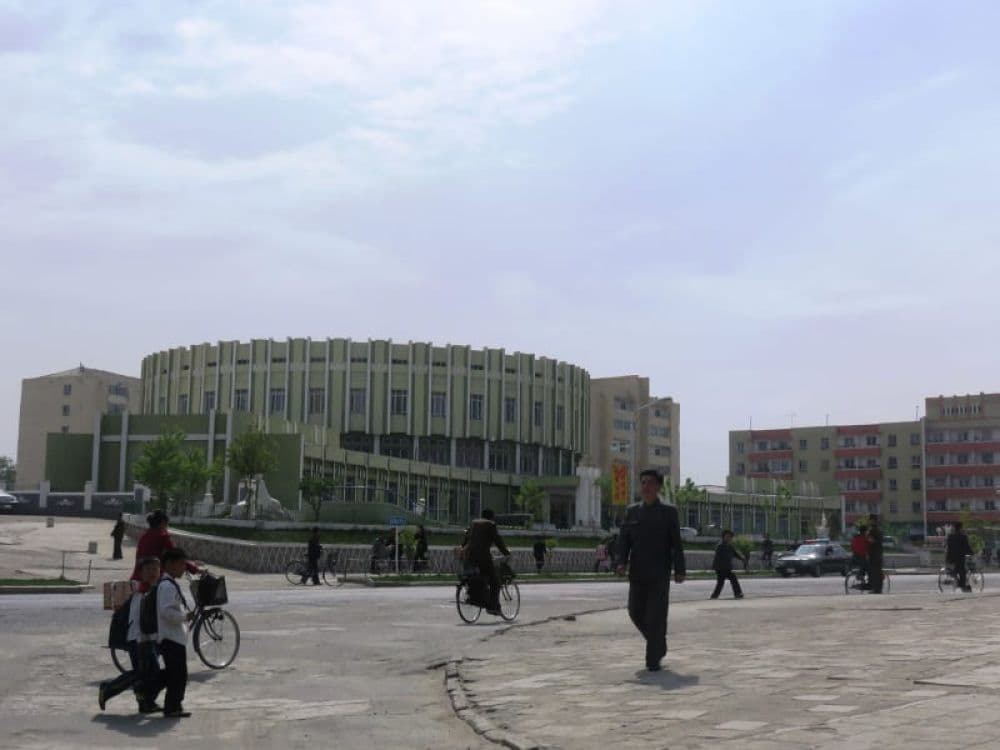
Haeju Central Square is a prominent public space located in the heart of Haeju, the capital city of South Hwanghae Province in North Korea. It is known for being a location where public events, parades, and government announcements take place. The square is an essential part of the city’s urban landscape and serves as a common gathering place for locals and visitors alike.
Can tourists visit Haeju Central Square?
Yes, tourists can visit Haeju Central Square, but tourism in North Korea is highly regulated. All visitors must be part of a guided tour approved by the North Korean government, and their itineraries are usually pre-determined and closely monitored by tour guides. Accessibility to Haeju and its central square can vary, and it's essential to verify with tour operators whether it is included in any scheduled visits.
What can I expect to see at Haeju Central Square?
At Haeju Central Square, you can expect to see a large open space often adorned with national flags and banners. Surrounding the square are significant government buildings, and there may be statues or monuments dedicated to the leaders of North Korea. It also serves as a stage for mass dances, military parades, and various public celebrations, depending on when you visit.
What is the significance of Haeju Central Square in North Korea?
Haeju Central Square is significant as it symbolizes government authority and is a site for political and cultural events. Central squares in North Korean cities are designed to serve not only as community gathering spots but also as venues for promoting state ideology and demonstrating organized unity during state-organized events.
Are there any particular times when Haeju Central Square is most active?
Haeju Central Square is most active during national holidays, anniversaries, and celebrations. These might include significant dates such as the birthday of Kim Il-sung (April 15), the Day of the Sun, and other political or historical events. During these times, visitors might witness large-scale gatherings, military parades, and coordinated public performances.
What should I keep in mind when visiting Haeju Central Square?
When visiting Haeju Central Square, it's important to follow the instructions of your tour guide closely and respect local customs and laws. Photography is often restricted, and you should always ask for permission before taking pictures. It's also essential to dress modestly and show respect during any public events or when observing national monuments and statues.
Is it easy to find accommodation near Haeju Central Square?
Tourist accommodation in Haeju may be limited compared to other cities, and all lodging must be pre-arranged by your tour operator. There may be designated hotels for foreign visitors, and your stay will typically be organized to ensure compliance with local tourism regulations. It is not possible for tourists to make their own accommodation arrangements in North Korea.
How do I get to Haeju Central Square?
Access to Haeju is generally via road or rail, and all travel plans must be organized through a North Korean state-sanctioned tour agency. Transportation to Haeju Central Square will be part of the tour itinerary, and independent travel within the country is not allowed for tourists.
Is there an entry fee to visit Haeju Central Square?
There is no specific entry fee to visit Haeju Central Square itself. However, the cost of your tour to North Korea, which is mandatory for visiting any part of the country, will cover the expenses associated with visiting public sites like Haeju Central Square.
What cultural norms should I be aware of when interacting with locals at Haeju Central Square?
When interacting with locals at Haeju Central Square, it is crucial to be polite and respectful. Avoid political discussions and criticism of the North Korean government or its leaders. It is recommended to learn a few basic Korean phrases, as English is not widely spoken. Always follow the cultural norms and regulations provided by your guides to ensure a respectful and safe experience.