
Madu River Boat Safari (Bentota) FAQs In 2026 - 2027
Natural Attraction
10 FAQs on Madu River Boat Safari
What is the Madu River Boat Safari?
The Madu River Boat Safari is a popular eco-tourism activity in the town of Balapitiya, near Bentota, Sri Lanka. It offers travelers the opportunity to explore the biodiversity and scenic beauty of the Madu River estuary and its surrounding mangrove forests. During the safari, visitors can discover a variety of wildlife, including various bird species, reptiles, and fish. The excursion often includes visits to small islands and local cinnamon processing plants.
How long is the Madu River Boat Safari?
A typical Madu River Boat Safari can last from 1.5 to 2 hours, but the duration can vary based on the service provider and whether additional experiences or stops, like fish massages or visits to islands, are included. Some operators may offer extended tours if requested.
What is the best time of year to go on the Madu River Boat Safari?
The best time to enjoy the Madu River Boat Safari is during the drier months from December to April when the weather is generally sunny and pleasant. However, the safari is available year-round, and each season offers a unique experience with the ever-changing wildlife and vegetation.
What kind of wildlife can be seen during the Madu River Boat Safari?
Visitors can expect to see a diverse range of wildlife on the Madu River Boat Safari, including many species of birds such as cormorants, egrets, kingfishers, and even the occasional kite. There are also various sorts of reptiles like water monitors and crocodiles, as well as amphibians and numerous species of fish. The mangrove forests themselves are teeming with life and are an important part of the local ecosystem.
Are there any additional activities offered as part of the Madu River Boat Safari?
Yes, additional activities may include a visit to a traditional cinnamon plantation, a fish spa where you can experience a natural fish massage, and stops at some of the small islands within the estuary. Some tours also offer the chance to plant mangrove trees, providing an eco-friendly and educational aspect to the safari.
How do I get to the Madu River for the boat safari?
The Madu River is located in Balapitiya, which is easily accessible from Bentota. Visitors can reach the location by taxi or tuk-tuk if they are staying in nearby areas. If coming from Colombo or other parts of Sri Lanka, tourists can travel by bus, train, or a private vehicle to Bentota or directly to Balapitiya.
Is the Madu River Boat Safari suitable for children?
Yes, the Madu River Boat Safari is suitable for children and is generally a safe and enjoyable experience for the whole family. The calm waters of the river and the engaging wildlife sightings can keep children entertained. However, parents should always supervise their children closely and ensure that life jackets are worn on the boat.
What facilities are available at the Madu River Boat Safari?
Basic facilities such as life jackets, boats with canopies for shade, and local guides are provided for the safari. Some service providers may offer refreshments or have restrooms at their starting points, but amenities could be limited once the safari is underway. It's recommended to use the restroom prior to departure and carry any necessary items such as water, sunscreen, and insect repellent with you.
Do I need to book the Madu River Boat Safari in advance?
While it may be possible to join a boat safari upon arrival, it's generally advisable to book in advance, especially during the peak tourist season or if you're part of a larger group. This ensures you secure a spot at your preferred time and can often be arranged through your hotel or a local travel agency.
Are there any environmental concerns associated with the Madu River Boat Safari?
The Madu River ecosystem is vulnerable, and responsible tourism practices are essential to preserve its natural beauty and biodiversity. Most operators are aware of the impact of tourism on the area and strive to conduct their safaris in an eco-friendly manner. Tourists are encouraged to respect the environment, not to litter, and to avoid disturbing wildlife during their visit.
Other Places to Visit in Bentota
View all places to visit in Bentota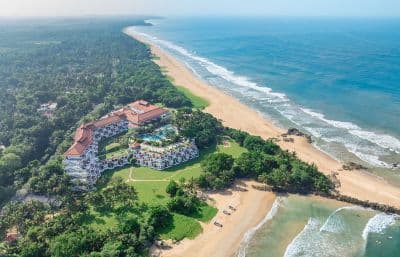
Bentota Beach
4.5(2,311 reviews)
Brief Garden, Bevis Bawa
4.0(561 reviews)
Lunuganga Estate
4.5(139 reviews)
Kande Viharaya Temple
4.5(173 reviews)
Galapata Vihara (Galapata Temple)
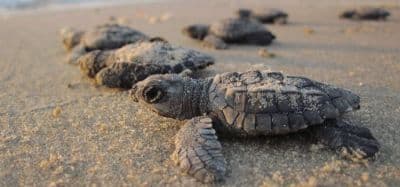
Kosgoda Turtle Hatchery
4.5(665 reviews)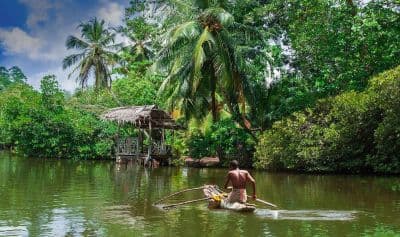
Bentota River
4.5(456 reviews)
Bentota Sea Turtle Conservation Project
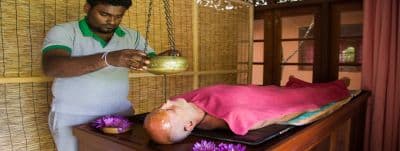
Bentota Ayurveda Centre
5.0(546 reviews)


