Owakudani (Hakone) FAQs In 2026 - 2027
Natural Attraction/Tourist Spot
10 FAQs on Owakudani
What is Owakudani?
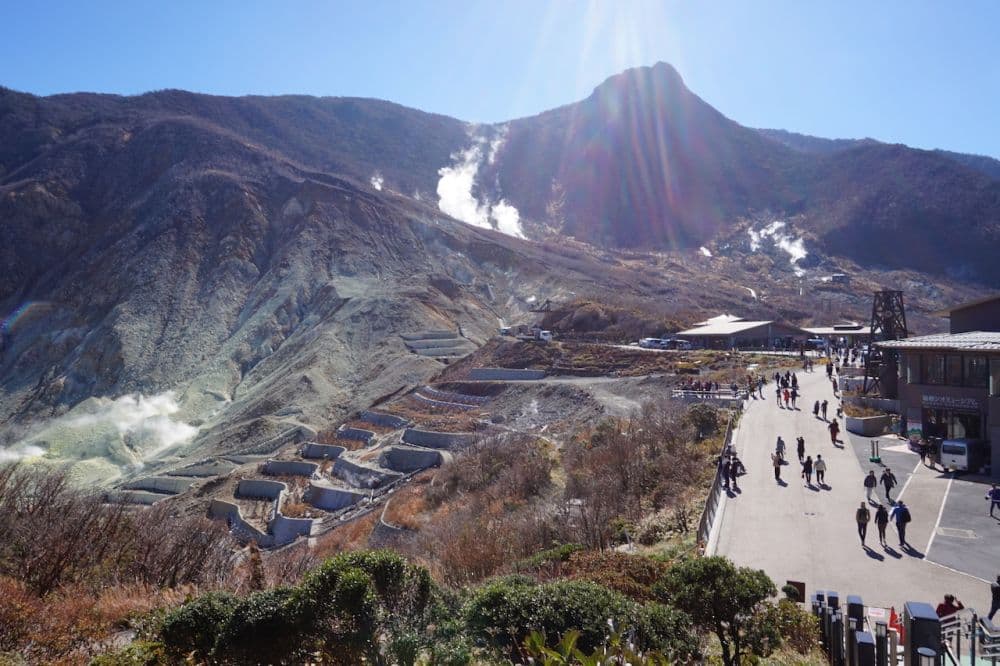
Owakudani is a volcanic valley with active sulphur vents and hot springs located in Hakone, Kanagawa Prefecture, Japan. It is known for its scenic views, volcanic activity, and the unique experience it offers to visitors. The area is also famous for its kuro-tamago, which are eggs hard-boiled in the hot springs, turning their shells black due to chemical reactions.
How do I get to Owakudani?
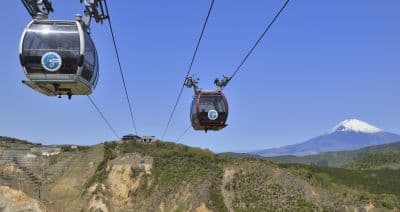
Owakudani can be accessed by taking the Hakone Ropeway from either Sounzan station or Togendai station. Additionally, travelers coming via the Hakone Tozan Railway can change to the cable car at Gora station, connecting to the ropeway at Sounzan station. Make sure to check for any service interruptions as volcanic activity can sometimes cause temporary closures.
What is there to see and do at Owakudani?
Visitors to Owakudani can observe the steam vents and boiling pools, enjoy panoramic views of Mount Fuji on clear days, taste the famous kuro-tamago, and explore walking trails. There is also a visitor center and several shops where tourists can buy souvenirs and snacks.
Is Owakudani safe to visit?
Owakudani is generally safe for tourists; however, it is an active volcanic area, so there can be periods of increased activity that may lead to closures for safety reasons. Tourists are advised to check for travel advisories and follow designated paths and instructions from local authorities during their visit.
What are kuro-tamago, and why are they famous?
Kuro-tamago are a local specialty of Owakudani, which are chicken eggs that have been hard-boiled in the natural hot springs of the volcanic valley. The sulphur and iron in the water react with the eggshells, turning them black. It is said that eating one of these eggs can extend your life by seven years.
Are there any health precautions to consider when visiting Owakudani?
Visitors with respiratory issues should be cautious as the sulphur gases can be quite strong. It's also important to stay hydrated and protect oneself from the potential effects of the sun and altitude.
What is the best time of year to visit Owakudani?
Owakudani can be visited year-round, but the best views of Mount Fuji are typically in the colder months from late fall to early spring, as the skies are clearer. Note that the area may be covered in snow during winter, and some facilities may be closed.
Are there any facilities available at Owakudani for tourists?
Yes, the Owakudani area has facilities that include restrooms, a visitor center, souvenir shops, and snack booths selling kuro-tamago and other treats. Accessible facilities for those with disabilities may be limited, given the natural terrain.
Can I take a guided tour of Owakudani?
While there are no official guided tours specifically for Owakudani, the area is often included as part of broader sightseeing tours of the Hakone region. Visitors can explore the site on their own or use audio guides where available.
Is there an admission fee to enter Owakudani?
There is no separate admission fee to enter Owakudani, but there may be charges for parking and the Hakone Ropeway ticket to reach the area.