
How To Reach St Augustine's Abbey (Canterbury) In 2026 - 2027
Traveling to St Augustine's Abbey, Canterbury, United Kingdom
St Augustine's Abbey is located in Canterbury, Kent, in the Southeast of the United Kingdom. This historic site is part of the Canterbury World Heritage Site, along with the Cathedral and St Martin's Church. Here are the best ways to reach St Augustine's Abbey:
By Train
Canterbury is served by two main railway stations:
- Canterbury West: For high-speed services from London St Pancras International (approximately 1 hour journey) and slower trains from London Charing Cross or London Victoria.
- Canterbury East: For services from London Victoria (around 1 hour and 30 minutes journey) and services from Dover and Ramsgate.
From either station, St Augustine's Abbey is within walking distance (about 10 to 15 minutes), or you can take a taxi or bus.
By Car
If you are driving:
- From London, take the M2 motorway which will become the A2. Follow the signs to Canterbury.
- Once in Canterbury, there are various signposted car parks close to the city center. Use postcode CT1 1TF for your navigation system.
By Bus
Canterbury's bus system connects the city to nearby towns and villages. The bus station is located in the city center. Once there, you can easily walk to St Augustine's Abbey or take a short taxi ride.
By Air
The nearest international airport is London Gatwick. From Gatwick Airport:
- You can take a direct train to London Victoria and switch to a train for Canterbury East.
- Alternatively, take a bus to London and continue by train from St Pancras International to Canterbury West.
Visitor Information
Address: Longport, Canterbury, Kent, CT1 1PF, United Kingdom
Opening Hours: Varies seasonally, check the English Heritage website for current times.
Admission Fees: Fees apply, with discounts for children, students, seniors, and families. Members of English Heritage or reciprocal organizations may enter for free.
Once you've arrived, you can explore the ruins of this ancient monastery and discover its history as the burial place of the Anglo-Saxon kings and the first Archbishop of Canterbury.
Other Places to Visit in Canterbury
View all places to visit in Canterbury
Canterbury Cathedral

Canterbury Roman Museum

Canterbury Castle

Westgate Towers Museum & Viewpoint
The Beaney House of Art & Knowledge

Canterbury Historic River Tours

St Martin's Church

The Canterbury Tales attraction
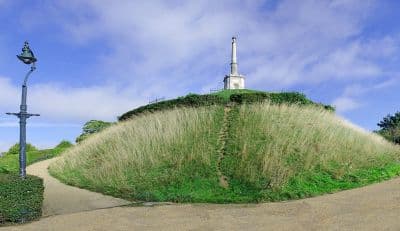
Dane John Gardens
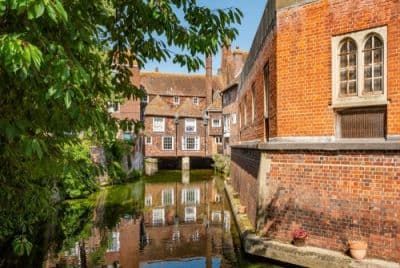
Eastbridge Hospital

Greyfriars Chapel and Franciscan Gardens

Marlowe Theatre

Howletts Wild Animal Park

Kent Museum of Freemasonry