If you are planning a slower, more grounded Kashmir trip away from crowded viewpoints and busy bazaars, Kulgam’s rural landscape deserves a place on your itinerary. This article is for travellers who want to understand what to see, when to go, how to move around, and what kind of experience to expect in the villages, orchards, meadows, and river valleys of South Kashmir.
Kulgam is not about ticking off one famous attraction. It is about long drives through apple country, tea stops in small villages, spring fields, wooden homes, and the everyday rhythm of rural Kashmir. By the end of this guide, you will have a practical picture of how to plan a Kulgam rural journey that feels easy, respectful, and rewarding.
Why Kulgam Feels Different from the Usual Kashmir Itinerary
Kulgam district lies in South Kashmir and is often passed through on the way to more famous places. That is exactly why it feels so refreshing. Instead of a tightly packed sightseeing circuit, you get a landscape shaped by agriculture, seasonal work, forest edges, streams, and village roads that still follow a slower pace.
The area sits roughly 70-90 km from Srinagar depending on your exact destination in the district, and the drive usually takes around 2.5-4 hours in normal conditions. Once you move beyond the main road, you see terraced fields, rows of apple orchards, saffron-like seasonal blooms in some patches, grazing land, and homes that feel deeply connected to the land around them.
Kulgam is ideal if you enjoy photography, village walks, local food, and conversations with residents. It is also a good add-on for travellers who have already seen Gulmarg, Pahalgam, or Srinagar and want a quieter South Kashmir experience.
What the Rural Landscape Looks Like
Orchards, Fields, and Village Roads
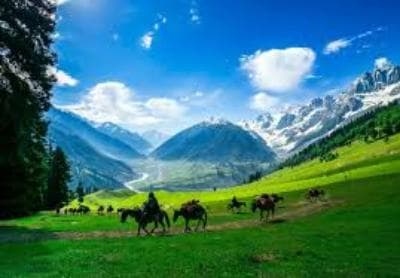
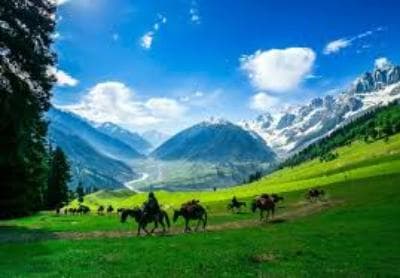
Much of Kulgam’s rural identity comes from agriculture. In spring and summer, the landscape turns lush with paddy fields, vegetable plots, and fruit orchards. In autumn, apple harvest activity brings a different kind of energy, with crates, tractors, and roadside movement becoming part of the scene.
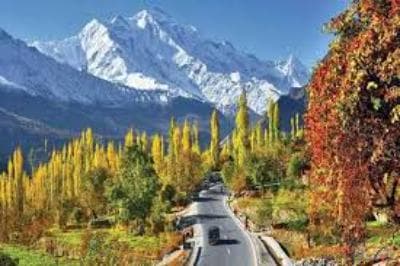
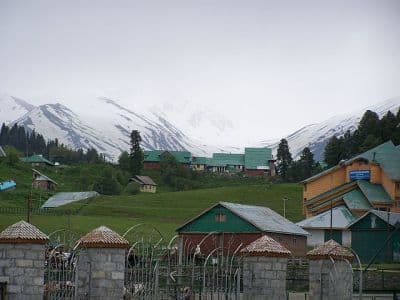
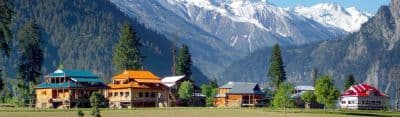
Village roads are often narrow and lined with poplar or willow trees. You may pass clusters of traditional houses, small mosques, irrigation channels, and open fields where sheep and cattle graze. The appeal lies in how ordinary it feels to local life, yet how distinct it feels to visitors from cities.
Streams, Meadows, and Forest Edges
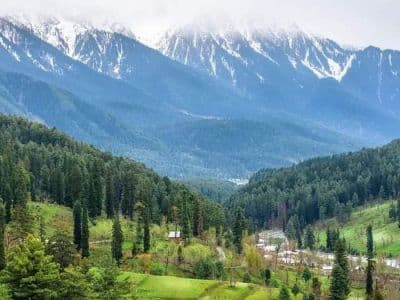
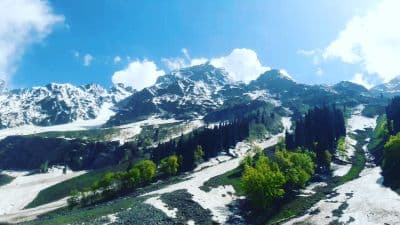
Depending on where you go in the district, you may come across gentle streams, forested patches, and meadow stretches that open up after a short drive or walk. These are not overly commercialised landscapes, so part of the charm is simply being there without expecting resort-style facilities. Carry your own water, snacks, and layers, especially if you plan a longer rural drive.
Best Time to Explore Kulgam’s Rural Side
The best months depend on what you want to see. Spring, from April to June, is excellent for fresh green fields, pleasant temperatures, and blooming orchards. Daytime temperatures usually feel comfortable for long drives and walks, though evenings can still be cool.
Autumn, especially September to early November, is one of the most rewarding times for rural landscape photography. Orchard activity is high, the air is clear, and the countryside often looks sharp and textured. Winter can be beautiful too, but road conditions may become more difficult if there is snow or frost, so you should be prepared for delays and localised closures.
| Season | What you may see | Traveller experience |
|---|---|---|
| April to June | Green fields, orchard bloom, clear roads | Comfortable for village walks and day trips |
| July to August | Full monsoon-fed greenery in some areas, active farming | Good visibility, but weather can be mixed |
| September to early November | Harvest season, apple movement, crisp air | Best for rural atmosphere and photography |
| December to March | Cold landscapes, possible frost or snow at higher or exposed areas | Beautiful but travel can be slower and less predictable |
Before booking, always check local weather and road status, because conditions in Kashmir can change quickly.
How to Reach Kulgam from Srinagar and Nearby Places
The most practical way to reach Kulgam is by road. From Srinagar, you can hire a private taxi, take a shared cab where available, or drive yourself if you are comfortable with mountain and highway driving. The route generally follows the Jammu-Srinagar highway corridor before branching into local roads for rural areas.
If you are coming from Anantnag, the drive can be much shorter, often around 30-60 minutes depending on your exact point in Kulgam district. From Pahalgam, it may take around 2-3 hours by road, again depending on traffic and road conditions. Public transport may be available on the main routes, but for village exploration, a private vehicle is usually the most convenient option.
For a relaxed plan, keep at least one full day for a rural Kulgam outing. If you want to cover multiple villages and stop for meals and photos, 2 days is even better. That gives you enough time to move without feeling rushed.
What to Do in Kulgam’s Rural Areas
Take Slow Village Drives
The simplest and often best activity is to drive slowly through the villages, stopping where the view opens up or where local life looks active and welcoming. You do not need a packed checklist. A short walk near fields, a tea break at a local shop, and a few photography stops can make the day feel full.
Explore Orchard Belts
Orchards are central to South Kashmir’s rural economy, and Kulgam is no exception. In harvest months, you may see sorting, packing, and transport activity. If you are visiting during a working season, be mindful not to step into private orchards without permission. A respectful approach goes a long way here.
Enjoy Short Nature Walks
Many visitors enjoy short walks along field edges, streamside paths, and quiet village lanes. These are best done during daylight, with good shoes and modest expectations. You are not coming here for a difficult trek; you are coming here to notice textures, light, and everyday rural scenery.
Try Local Food
Food in this part of Kashmir is one of the easiest ways to understand the place. Depending on where you stop, you may find kahwa, noon chai, rogan josh, harissa in season at some locations, and simple home-style vegetarian meals. Smaller dhabas and family-run eateries are often the most authentic option, though cleanliness and hygiene can vary, so trust your judgement.
Suggested One-Day and Two-Day Rural Plans
One-Day Plan from Srinagar
Leave Srinagar early, ideally by 7:00 am, so you can avoid traffic and make the most of daylight. Reach Kulgam by late morning, spend a few hours driving through villages and orchard roads, stop for lunch, and return to Srinagar by evening. This is the best option if you have limited time or if you are combining Kulgam with a larger Kashmir itinerary.
Two-Day Slow Travel Plan
If you can spare two days, stay overnight in a nearby town or in a simple guesthouse where available. Use the first day for orchard belts and village roads, and the second for more relaxed exploration, photography, and local food stops. This approach lets you experience the area without trying to cover too much ground.
- Day 1: Srinagar to Kulgam, village drives, orchard stops, local lunch
- Day 2: Short walks, more rural photography, tea breaks, return journey
Stay, Budget, and Practical Travel Tips
Accommodation in and around Kulgam is usually simpler than in major tourist centres. You may find budget hotels, basic guesthouses, and occasional homestay-style stays, especially in nearby towns. Expect indicative rates of around ?1,500-?3,500 per night for budget to mid-range options, with cleaner and more comfortable places sometimes costing more during peak season.
For transport, a private taxi from Srinagar for a day trip may fall in the range of ?3,500-?6,500 depending on distance, vehicle type, and waiting time. Multi-day hire will cost more. If you are travelling in a group, sharing the vehicle can make the trip much more economical.
Carry cash, because card acceptance can be limited in smaller rural areas. Mobile network coverage may also be uneven. Keep a power bank, some bottled water, light snacks, and a basic first-aid kit. Wear comfortable shoes, since the ground near fields and village paths can be uneven or muddy after rain.
A few practical reminders will make your trip smoother:
- Confirm road conditions before leaving, especially in winter and after heavy rain.
- Ask before photographing people, homes, or farm work.
- Dress modestly and comfortably for village settings.
- Respect private land and orchards.
- Plan lunch and tea stops in advance if you are travelling in remote stretches.
How to Travel Respectfully in Rural Kashmir
Kulgam’s landscape is beautiful precisely because people live and work in it every day. That means your presence matters. A friendly greeting, a patient attitude, and modest behaviour will be noticed and appreciated. If someone offers tea or directions, accept politely and keep the interaction warm but not intrusive.
Try not to block narrow lanes, leave litter near fields, or enter farm areas without permission. If you are hiring a local driver or guide, you will not only make the trip easier, you will also learn a lot more about the area’s seasonal changes, family farming patterns, and local customs.
Frequently Asked Questions
Is Kulgam safe for tourists?
Most travellers visit Kulgam without issues, especially when they stay on main routes, use local transport, and avoid unnecessary late-night movement. Like any rural destination, conditions can change with weather, road work, or local developments, so check current advisories before travelling. A local driver is often the easiest and safest choice for first-time visitors.
How many days are enough for Kulgam?
One day is enough for a basic rural outing from Srinagar. If you want to take it slowly, photograph the landscape, and enjoy village life without rushing, 2 days is a better fit. Longer stays make sense only if you are combining Kulgam with other South Kashmir destinations.
What is the best month to see the rural landscape of Kulgam?
April to June works well for fresh greenery, while September to early November is excellent for harvest-season atmosphere and clear skies. If your priority is photography, autumn often gives you the most layered rural scenes. Always confirm local weather before finalising dates.
Can I visit Kulgam as a day trip from Srinagar?
Yes, a day trip is possible, especially if you start early and focus on one or two rural zones rather than trying to cover too many places. The drive time can take up much of the day, so keep expectations realistic. A private vehicle makes the trip much easier.
Are homestays available in Kulgam?
Some areas may offer homestay-style stays or small guesthouses, but availability can vary by village and season. It is best to confirm in advance rather than assuming broad availability. If you prefer more predictable facilities, staying in Srinagar or a larger nearby town and visiting Kulgam by day may be simpler.
What should I wear while exploring rural Kulgam?
Wear comfortable clothes that are modest and suitable for walking. In spring and autumn, light layers work best because temperatures can change through the day. Good walking shoes are useful, especially if you plan to step onto uneven paths near fields or streams.
Kulgam’s rural landscape offers a quieter, more grounded side of Kashmir that many travellers miss. If you like open fields, orchard roads, and the feel of a living countryside, this part of South Kashmir can become one of your most memorable stops. Plan it slowly, travel respectfully, and keep your schedule flexible so the landscape can reveal itself at its own pace.
If this guide helped you plan better, please share the post with anyone who is considering a rural Kashmir trip.
Planning a Kashmir trip?
Tell us your dates and who is travelling. Up to three local travel companies send you their itinerary and price.
Get free quotesDisclaimer: The information in this blog is for general information only. We try to keep it accurate and up to date, but TravelSetu accepts no liability for errors or omissions. If you believe any part of it infringes your rights, please write to info@travelsetu.com.