If you are planning a Kashmir trip and want more than the usual postcard stops, the old trade paths to Central Asia give you a very different lens on the valley. This guide is for travellers who enjoy history, mountain roads and local stories, and it will help you understand where those routes ran, what survives today, and how you can explore them safely and realistically.
Why Kashmir’s Trade Links Matter
For centuries, Kashmir was not an isolated valley. It sat on mountain corridors that connected the Indian subcontinent with Ladakh, Baltistan, Gilgit, Yarkand and further Central Asian markets. Traders moved saffron, walnut wood, silk, shawls, dried fruits, carpets and horses across these routes, while ideas, languages and crafts travelled with them. If you are visiting Kashmir now, that history still shows up in the layout of old towns, caravan stopovers, shrine routes and the stories elders tell about merchants, saints and mule caravans.
The most important thing to know is that these were not one single road. They were a network of high passes, river valleys and seasonal tracks used for trade, diplomacy and pilgrimage. Some were easy enough for pack animals in the warmer months; others were dangerous and often closed by snow. That is why a Kashmir itinerary focused on old trade paths works best when you mix Srinagar with a few route-linked day trips and, if time permits, a longer mountain extension.
The Main Historical Routes from Kashmir toward Central Asia
Kashmir’s trade links ran in more than one direction. The routes changed with politics, weather and the needs of the time, but a few corridors are especially important if you want to understand the valley’s Central Asian connection.
Srinagar to Gilgit and beyond
One of the best-known historical routes ran north-west from Srinagar toward Gilgit through high mountain terrain. In the past, this corridor connected the valley to regions that are today across the Line of Control and international borders, so it is not a simple tourist road now. Even so, it remains central to Kashmir’s trade memory because it linked Srinagar’s markets with the wider north-western world.
The Srinagar to Leh axis and the caravan link to Yarkand
Another major axis moved east from Kashmir toward Ladakh. From there, older trade networks connected to Central Asian markets such as Yarkand in present-day Xinjiang through passes and desert-edge caravan routes. Traders from Kashmir were known for shawls and textiles, while Central Asian merchants brought horses, apricots, dried fruits and other goods. Today, you can travel the Srinagar-Leh road in season and still get a strong sense of how difficult those journeys once were.
The Punjabi and Mughal-era western connections
Not every trade path led deep into Central Asia. Some routes connected Kashmir south-westward through the Jammu plains and onward to the rest of North India, then further to the west via long-distance trade networks. These links helped Kashmir’s products reach larger imperial markets, where they were prized by royals and urban buyers. If you visit Srinagar’s older commercial areas, this broader trading past becomes easier to imagine.
Where to Feel This History in Kashmir Today
You do not need to be on a hard expedition to sense the old trade story. Several places in and around Srinagar still carry the memory of caravan movement, craft exchange and market life.
Old Srinagar and its trading lanes
Start with the older parts of Srinagar, especially the areas around the main bazaar zones and river-linked neighbourhoods. The city’s historic commercial fabric grew around waterways, local craft production and seasonal trade. Walking through these lanes, you will notice walnut sellers, papier-mâché workshops, carpet merchants and dry fruit shops, all of which echo the old caravan economy. Give yourself at least half a day here, ideally with an early start before the streets get crowded.
Pari Mahal, Harwan and the Zabarwan edges
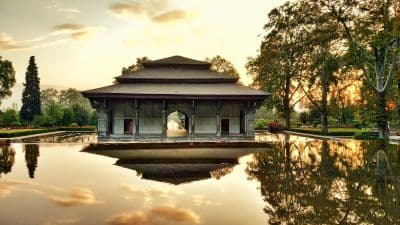
These are not trade posts in the strict sense, but they help you understand Kashmir’s historical landscape. Harwan and the Zabarwan slopes have long been part of the wider movement zone around Srinagar, where routes, gardens, settlements and watch points overlapped. A slow drive through this side of the city gives context before you head toward the more route-specific sites.
Anantnag, Bijbehara and the south Kashmir corridor
South Kashmir is useful if you want to think about the valley as a connector rather than a destination only. Towns such as Anantnag and Bijbehara sat on movement lines between Srinagar, the southern plains and mountain approaches. They were not “Central Asia gateways” in the dramatic sense, but they were important staging points for goods, people and information moving through the valley.
Sonamarg and the road toward high passes
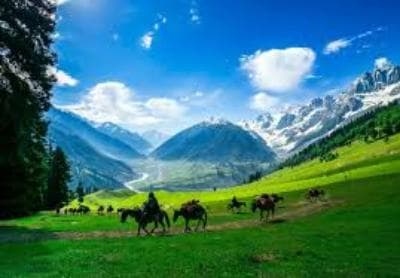
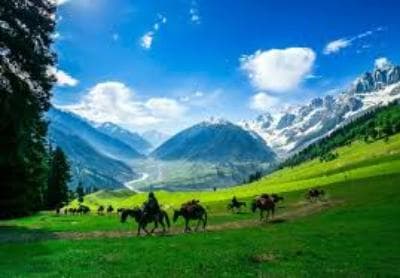
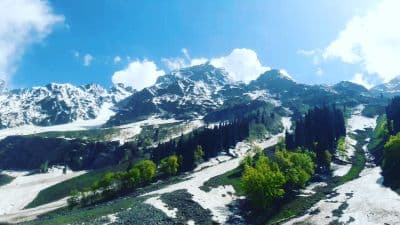
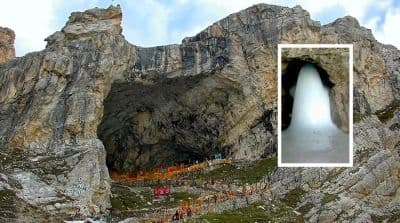
Sonamarg is one of the most evocative places for imagining older caravan travel. The wide meadow, glacial streams and surrounding peaks make it easy to picture pack animals resting before a climb to difficult terrain. Modern visitors usually go here for scenery and short walks, but historically the zone served as an approach corridor toward high mountain routes. In summer, a day trip from Srinagar to Sonamarg usually takes about 2.5 to 3.5 hours each way, depending on traffic and road conditions.
Goods, People and Ideas That Travelled the Routes
The trade paths were not only about cargo. They created a cultural exchange that shaped Kashmir’s crafts, cuisine and urban life. Shawls made in Kashmir became famous far beyond the valley, while Central Asian trading systems introduced practical methods of packing, barter and long-distance transport. Horses, saffron, salt, tea, wool, dried fruits and handmade goods were part of this world, though the exact mix changed from period to period.
Merchants, Sufi travellers, pilgrims and soldiers all used the same or overlapping routes. That is one reason Kashmiri culture shows both mountain practicality and cosmopolitan influence. Even today, in Srinagar’s markets, you can see how craft traditions developed for a trading society: portable, valuable, easy to store, and suited to buyers who came from far away.
How to Plan an Itinerary Around the Old Trade Paths
If your time in Kashmir is limited, you can still build a focused route-based trip without chasing remote borders or closed corridors. A good plan is to combine Srinagar’s old city, one mountain day trip and one craft stop. If you have five to seven days, add a longer road journey toward Sonamarg or the Srinagar-Leh corridor in season.
| Experience | Best For | Approximate Time Needed | Practical Note |
|---|---|---|---|
| Old Srinagar bazaar walk | History, markets, crafts | 3-5 hours | Go early and keep cash handy |
| Sonamarg day trip | Mountain scenery, caravan feel | Full day | Check road and weather conditions |
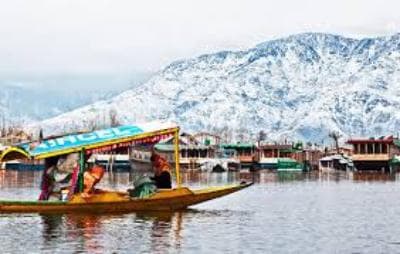
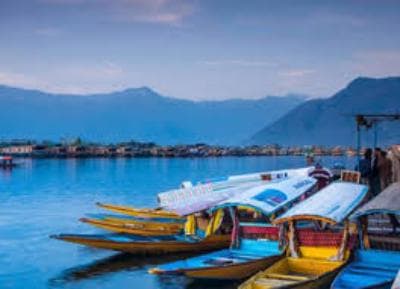
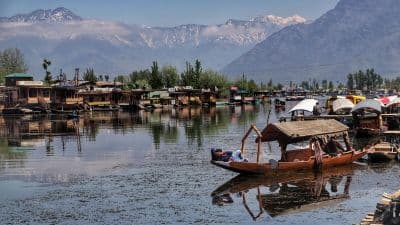
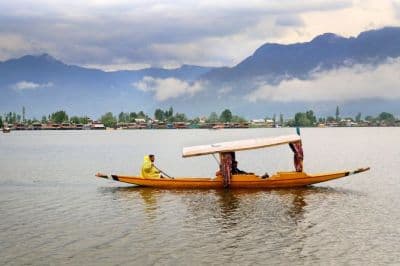
| Shikara ride on Dal Lake | Relaxed introduction to Srinagar | 1-2 hours | Best in the morning or late afternoon |
| Srinagar to Gulmarg or Pahalgam add-on | Comfortable base trip | Half day to full day | Not a trade route focus, but useful for broader valley context |
For budget planning, a comfortable Srinagar stay usually ranges around ?2,500-?6,000 per night for mid-range hotels, with houseboats often costing ?3,500-?10,000 depending on location and season. Local taxi hiring for sightseeing may range from ?2,500-?6,500 per day, again depending on route, vehicle type and demand. Food is reasonably manageable: casual meals can be ?300-?700 per person, while a fuller Kashmiri wazwan-style experience will cost more. These are indicative ranges only, so confirm current prices before booking.
When to Go and What to Expect on the Ground
The best months for exploring Kashmir’s old trade-related landscapes are usually April to June and September to October. In spring and early summer, roads are generally easier and the valley is pleasant for walking. September and October bring clearer skies and a strong harvest mood in the markets. July and August can still work, but rain and occasional road delays are possible. Winter adds beauty, yet high routes become much harder to access, and some mountain sections may be closed.
If you want the strongest sense of the old caravan world, think in terms of movement and altitude. A route that looks short on a map may take much longer in practice because of hairpin bends, roadworks or snow. Always confirm local road conditions with your hotel, driver or official sources before setting out, especially if you are travelling toward Sonamarg, Kargil-side corridors or any high mountain pass.
Practical Travel Tips for a Route-Focused Trip
- Carry layered clothing, even in summer, because mountain weather changes quickly.
- Keep some cash for local markets, parking and small purchases in Srinagar’s older lanes.
- Start early for road trips so you have buffer time for traffic and photo stops.
- Choose a local driver who knows the valley roads well, especially in shoulder season.
- Do not assume all historical routes are open to visitors; many older corridors now cross sensitive or restricted border areas.
- Buy crafts from established local sellers if you want shawls, papier-mâché or walnut work with better authenticity.
Frequently Asked Questions
Can I still travel the original Kashmir to Central Asia trade routes?
Not in the literal old form, because many historic corridors now cross international borders or restricted areas. You can, however, follow the valley-side segments, mountain approaches and historic market towns that were part of the wider network. That is often the best and safest way to experience the story.
Which place in Kashmir best reflects the old trade era?
Srinagar is the strongest starting point because its old bazaars, craft workshops and river-linked neighbourhoods reflect the commercial life of the valley. Sonamarg also helps you imagine caravan movement toward high passes. If you want the clearest sense of a trading city, spend time in the older market areas rather than only the lakeside sights.
Is this trip suitable for families and older travellers?
Yes, if you keep the itinerary comfortable and do not overpack it with long mountain drives. A Srinagar base with one or two day trips works well for most families. Avoid very tight schedules, and build in rest time because road journeys in Kashmir can take longer than expected.
How many days do I need for a Kashmir trade-path itinerary?
Three days is enough for a basic introduction focused on Srinagar and one nearby excursion. Five to seven days lets you add Sonamarg or a more scenic mountain drive and still travel at a relaxed pace. If you want a deeper historical experience, use at least one full day just for old Srinagar and crafts.
What should I buy if I want a souvenir linked to this history?
Kashmiri shawls, papier-mâché items, walnut wood crafts and dried fruits are the most route-connected purchases. They reflect the kind of goods that once moved through long-distance trade networks. Check quality carefully, ask where the item was made, and compare prices before buying.
Are guided tours worth it for this theme?
Yes, especially if you want historical context rather than just transport between points. A knowledgeable local guide can explain how the old bazaars, gardens and road corridors fit into Kashmir’s larger trade story. For a focused history trip, this often adds much more value than trying to interpret everything on your own.
Final Thoughts
Kashmir’s old trade paths to Central Asia are not just a subject for history books. They are still visible in the valley’s markets, craft traditions, mountain approaches and the way people remember the past. If you travel with this theme in mind, your Kashmir visit becomes richer, more grounded and far more interesting than a simple sightseeing circuit.
If you found this guide useful, please share the post with fellow travellers planning a Kashmir trip.
Planning a Kashmir trip?
Tell us your dates and who is travelling. Up to three local travel companies send you their itinerary and price.
Get free quotesDisclaimer: The information in this blog is for general information only. We try to keep it accurate and up to date, but TravelSetu accepts no liability for errors or omissions. If you believe any part of it infringes your rights, please write to info@travelsetu.com.