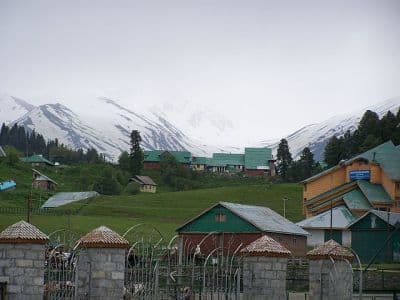
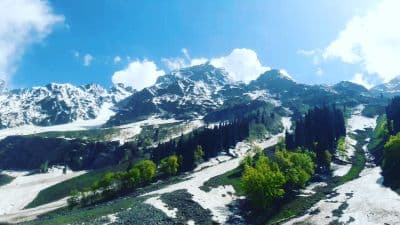
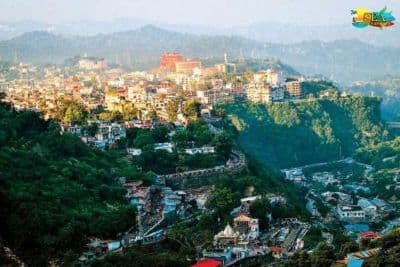
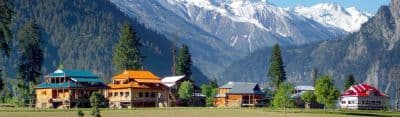
If you are planning a Kashmir trip by road, train, or a longer North India circuit, Samba and Kathua are two places you should understand before you move deeper into the Valley. They are not the postcard version of Kashmir that most people imagine, but they matter because they sit on the approach route from Jammu, help you plan stopovers, and can save you time, money, and energy on a tiring journey.
This guide is for Indian travellers who want a practical picture of Samba and Kathua: how to reach them, what to see, where they fit into a Kashmir itinerary, when to travel, and what kind of budget to expect. If you are driving towards Srinagar, flying into Jammu, or combining pilgrimage, nature, and road travel, this article will help you plan it properly.
Why Samba and Kathua matter for a Kashmir trip
Most people think of Kashmir as Srinagar, Gulmarg, Pahalgam, Sonamarg, and sometimes Yusmarg or Doodhpathri. But if you are entering the region from the south, your route usually begins in Jammu and passes through Samba and Kathua before the climb towards Banihal and the Valley. That makes both districts important for road travellers, families with children, senior citizens, and anyone who prefers breaking the journey into manageable legs.
Samba and Kathua are also useful if you want to balance a fast-paced Kashmir holiday with quieter stopovers. Instead of rushing from Delhi or Amritsar straight to the mountains, you can sleep, eat, and recover in places where travel is easier and hotel rates are often more reasonable than in peak-season Srinagar.
Where Samba and Kathua are located and how they fit into the route
Samba lies east of Jammu city, close to the corridor that connects Jammu with Pathankot. Kathua is further east and slightly north, near the border belt and the entry side of Jammu and Kashmir for travellers coming from Punjab. Both districts sit on important road and rail corridors, which is why they are often seen first by people arriving from Delhi, Chandigarh, Amritsar, or Pathankot.
If you are driving to Kashmir, the broad travel pattern usually looks like this: Delhi to Jammu in a long overnight run, then Jammu to Samba or Kathua for a break, and later onward to Srinagar through Udhampur, Chenani, Patnitop, Ramban, Banihal, and Qazigund. Jammu to Kathua is roughly 70-90 km depending on where you start and stop, while Jammu to Samba is around 40-50 km. Driving times change with traffic and roadwork, so allow extra buffer, especially in holiday seasons.
Top places to see in Samba
Samba is more of a transit-and-base district than a sightseeing-heavy destination, but there are still worthwhile spots if you have a few hours or an overnight stop.
Baba Chamliyal shrine
The most well-known name linked with Samba is Baba Chamliyal. This shrine draws visitors from the surrounding region, especially during the annual fair period. Even outside the fair, many travellers stop here out of devotion while moving along the Jammu-Pathankot belt. It is best approached with a respectful, unhurried mindset rather than as a quick checklist item.
Local countryside and village roads
If you are staying one night, Samba can give you a calmer, less crowded first impression of the Jammu region. The appeal here is not grand scenery; it is the easier pace, open stretches of road, and the chance to eat a proper meal before the mountain drive ahead. For travellers coming from crowded metro routes, that reset can be useful.
Good use case for Samba
Samba works best as a short halt for meals, rest, and a temple visit. If your Kashmir holiday starts with a late-night drive from Delhi, a breakfast stop here can help you avoid fatigue and begin the next leg safely.
Top places to see in Kathua
Kathua has a broader identity than Samba because it acts as a district headquarters and a practical transit base. It is also closer to several road and rail connections, so you will find more options for food, fuel, and hotels.
Local temples and neighbourhood markets
Kathua town is useful for travellers who want a straightforward stop with basic sightseeing. Temple visits, local bazaars, and a walk through town can fill a few hours without requiring a full-day plan. If you like seeing how ordinary town life unfolds before entering the more touristic parts of Jammu and Kashmir, Kathua gives you that experience.
Riverside and green stretches in the wider district
Depending on the season and your route, the district has stretches of farmland, low hills, and river-adjacent scenery that feel different from the higher Himalayas ahead. These are not dramatic mountain landscapes, but they can be pleasant if you are travelling with family and want a slower first day.
Why Kathua is valuable for Kashmir travellers
For many people, Kathua is less about sightseeing and more about convenience. The town has better options for an overnight stop than many smaller road junctions, and that can make a long Kashmir journey smoother, especially if you prefer reaching Srinagar rested instead of exhausted.
Best time to travel through Samba and Kathua
You can pass through Samba and Kathua in most months, but your experience changes with the season. For a Kashmir-bound road trip, the most comfortable travel windows are usually March to June and September to early November. These months are better for clear roads, manageable temperatures, and easier driving.
In summer, the lower plains around Samba and Kathua can be warm, with daytime heat that feels much stronger than the Valley. If you are breaking the journey here, book a hotel with good cooling and plan outdoor walking for early morning or evening. In winter, fog and chill can affect road timings, and the onward climb towards Kashmir may be slower. Monsoon months can bring patchy rain and occasional road delays, so keep extra time in hand.
If your main destination is Srinagar or Gulmarg, the smartest approach is to treat Samba and Kathua as transit-friendly stopovers rather than sightseeing destinations in themselves.
How to reach Samba and Kathua
| Mode | Useful for | Indicative note |
|---|---|---|
| By road | Self-drive, taxi, family trips, Kashmir road itineraries | Most practical option; plan fuel and rest stops carefully |
| By train | Travellers arriving via Jammu side rail links | Check the nearest station to your hotel and final road connection |
| By air + road | Flying into Jammu, then heading north | Good for saving time; continue by cab or private vehicle |
For Kashmir travellers, the most common sequence is flight to Jammu followed by road transfer. Once you land, a cab to Samba or Kathua can help you avoid pushing all the way in one stretch. If you are using a private vehicle, start early so you can reach your stopover before dark, especially in winter when daylight ends earlier.
Where to stay and what it may cost
Accommodation in Samba and Kathua is generally more practical than luxurious, though you can find decent hotels, guesthouses, and roadside stays. In and around town, expect hotel rates to vary by season, cleanliness, location, and whether the property is close to the highway.
A realistic budget for a simple room is often around ?1,200-?2,500 per night. Mid-range stays may fall in the ?2,500-?4,500 range, especially if you want better parking, cleaner bedding, and in-house dining. During holiday periods, festival dates, or when Kashmir traffic is heavy, rates can rise, so book ahead if you are travelling with family or need a safe parking space.
If you are on a Kashmir package trip, ask your operator whether the overnight halt is in Jammu, Samba, Kathua, or Patnitop. That single detail can make a big difference to your next day’s comfort.
Food and local travel tips
Food in Samba and Kathua is the kind you want on a road journey: simple, filling, and easy to find. You will come across dhabas, small restaurants, tea stalls, and basic family eateries. North Indian meals, parathas, rajma-chawal, paneer dishes, and tea are common. For travellers heading towards Kashmir, this is the right place to eat an unhurried breakfast or dinner before the mountain roads begin.
A few practical tips will improve the trip:
- Keep small cash handy, because not every stop accepts cards or digital payment smoothly.
- Refuel in time; do not wait until the tank is almost empty.
- Carry medicines, water, snacks, and tissues if you are travelling with children or elderly family members.
- Check road and weather updates before leaving Jammu, especially in winter and monsoon months.
- If you are continuing to Srinagar, avoid overpacking your day with sightseeing in Samba or Kathua; rest is more valuable.
Suggested Kashmir itineraries that include Samba and Kathua
Here are three simple ways to use Samba and Kathua in a Kashmir-bound plan:
1 night halt plan
Delhi or Chandigarh to Jammu, then overnight in Kathua or Samba, and continue the next morning towards Srinagar. This works well if you want to reduce driving fatigue and keep the journey safe.
2 night relaxed plan
Break the journey with one night near Jammu or Kathua, then another in Patnitop or Udhampur before entering Kashmir. This is better for older travellers, young children, and people who dislike long road days.
Pilgrimage + Kashmir plan
If your trip includes Vaishno Devi, you can keep Samba or Kathua as a short transit stop before moving on to the Valley. This makes sense when you want to combine religious travel with a holiday in Srinagar or Pahalgam.
For any of these routes, it is wise to confirm hotel availability, road conditions, and transfer timings before booking. Local conditions can change with weather, traffic, and security arrangements.
Frequently Asked Questions
Are Samba and Kathua part of Kashmir?
They are part of the Jammu region of Jammu and Kashmir, which is why travellers often mention them while planning a Kashmir trip. They are not in the Kashmir Valley itself, but they are important entry and transit points for people heading north.
Should I stay overnight in Samba or Kathua on the way to Srinagar?
Yes, if you are doing a long road journey and want to avoid reaching the hills too late. Kathua usually offers a more practical overnight base, while Samba works well for shorter halts and meal breaks. The right choice depends on your arrival time and how much you want to drive the next day.
What is the best time of year to pass through these places?
March to June and September to early November are the most comfortable periods for most travellers. Winter travel is possible, but fog and cold can slow you down, while monsoon months may bring road delays. Always check conditions before setting off.
Are Samba and Kathua good for sightseeing?
They are better for transit, rest, and brief local visits than for full sightseeing holidays. You can visit shrines, markets, and nearby rural stretches, but the main scenic rewards of a Kashmir trip come later in the Valley and the higher hill towns.
How much should I budget for a stopover here?
For a practical road-trip stop, budget around ?1,200-?4,500 per night for accommodation depending on your comfort level. Add food, fuel, and local transport, and a family stopover can stay fairly economical compared with tourist-heavy mountain destinations. Rates can change, so compare options before booking.
Is it safe to travel through Samba and Kathua?
Most travellers use these routes routinely while heading towards Jammu and Kashmir, but conditions can vary with weather, traffic, and local advisories. It is best to travel in daylight when possible, follow official updates, and keep your itinerary flexible. If you are on a package tour, let the operator handle route timing and stop planning.
Conclusion
Samba and Kathua may not be the places people dream about when they picture Kashmir, but they are part of what makes a Kashmir journey smooth, manageable, and less tiring. If you treat them as practical stopovers rather than detours, you will travel better, rest better, and reach the Valley with more energy for the real highlights ahead.
If this guide helped you plan smarter for your Kashmir trip, please share the post with fellow travellers who are preparing the same route.
Planning a Kashmir trip?
Tell us your dates and who is travelling. Up to three local travel companies send you their itinerary and price.
Get free quotesDisclaimer: The information in this blog is for general information only. We try to keep it accurate and up to date, but TravelSetu accepts no liability for errors or omissions. If you believe any part of it infringes your rights, please write to info@travelsetu.com.