If you are planning a Kashmir trip and want landscapes that feel quieter, greener, and more local than the usual postcard circuit, Uri Valley deserves your attention. This guide is for Indian travellers who want to understand what the Uri Valley landscape looks like, when to go, how to reach it, and how to plan a safe, practical visit without missing the scenic points that make this part of Kashmir so memorable.
Why Uri Valley stands out in Kashmir
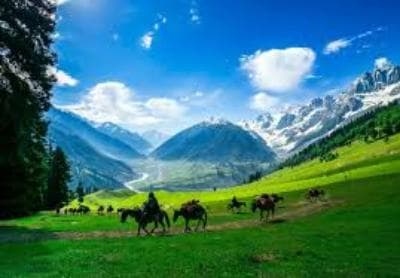
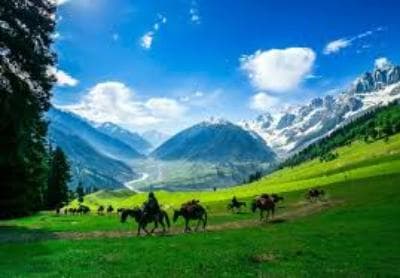
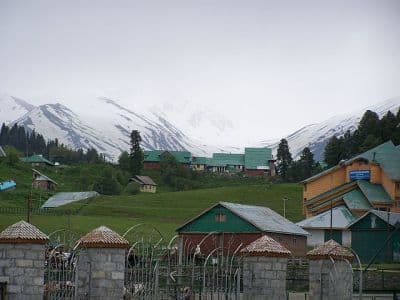
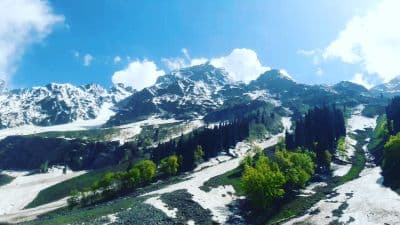
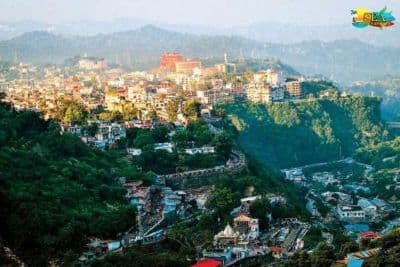
Uri lies in north-western Kashmir, in Baramulla district, close to the Line of Control. That location gives the valley a dramatic mountain setting: steep slopes, pine-covered ridges, the Jhelum River cutting through the valley, and villages that appear one bend at a time. The landscape here feels raw and open, with fewer tourist crowds than Srinagar, Gulmarg, or Pahalgam.
What makes Uri special is the mix of river scenery, orchard patches, forested hills, and high passes in the wider approach route. You do not come here for a polished hill-station atmosphere. You come for broad views, military-road mountain drama, and a slower, more grounded side of Kashmir that many travellers miss.
What the landscape looks like on the ground
River valley, ridges, and village slopes
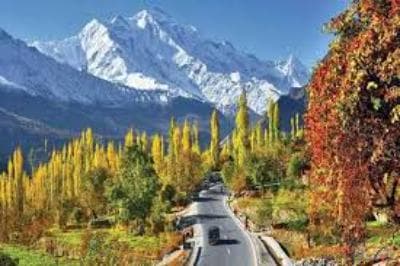
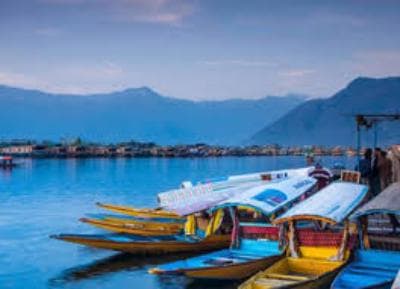
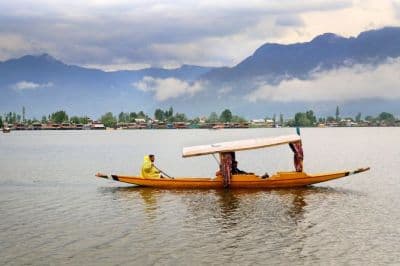
The Jhelum River is one of the defining features of Uri. As you drive along the route from Baramulla toward Uri, the river and the road often run in parallel, with rugged cliffs and green slopes rising sharply around them. In spring and early summer, the hills turn a fresh green, while in autumn the orchard belt around parts of north Kashmir adds gold and rust tones.
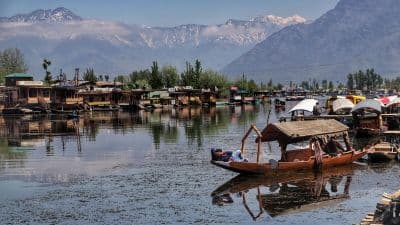
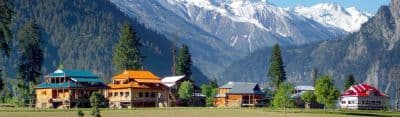
The villages are typically built on terraced ground or gentle slopes where farming is possible. You will see poplar trees, walnut groves, and apple orchards in season, along with stone and concrete homes clustered near the road. The view is not one single panorama; it is a sequence of changing scenes that reward slow travel.
Forests, orchards, and mountain air
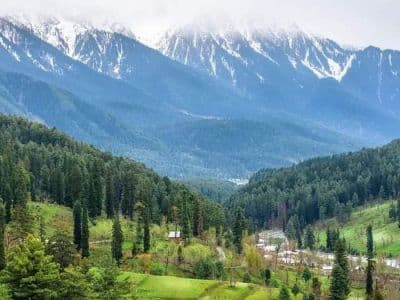
In the lower and mid-elevation stretches, pine and deodar forests frame the road. Higher up or on clearer ridgelines, the views open to layered hills and distant peaks. In warmer months, the air can smell of grass, damp earth, and wood smoke from village homes. If you enjoy landscapes that feel lived-in rather than packaged, this region offers that in abundance.
Best time to see Uri Valley at its best
Uri can be visited for most of the year, but the landscape changes a lot with the seasons. The best window for most travellers is April to October, when roads are generally more comfortable and visibility is often better. That said, each season has its own appeal.
| Season | What you will see | Practical note |
|---|---|---|
| March to May | Fresh greenery, melting snow on higher slopes, flowing river views | Good for photography, but mornings can still be cold |
| June to August | Lush hills, long daylight hours, clear village and valley views | Comfortable for road travel; carry light woollens for evenings |
| September to November | Golden orchards, crisp skies, changing leaf colours | Excellent for scenic drives and fewer weather disruptions |
| December to February | Snow in and around higher stretches, stark mountain scenery | Beautiful but travel can be slow; check road and weather updates carefully |
If your main goal is landscape photography, late April, May, September, and early October usually offer the best balance of colour, clarity, and road conditions. Always confirm local weather and road status before finalising plans, especially if you are travelling close to winter.
How to reach Uri from other parts of Kashmir
The usual access point is Srinagar, from where Uri is roughly around 70-90 km depending on the route and road conditions. The drive often takes about 2.5 to 4 hours, again depending on traffic, security checks, weather, and stops along the way. From Baramulla, Uri is significantly closer and the road becomes more scenic as the valley narrows.
You can hire a taxi from Srinagar, Baramulla, or nearby towns. Shared vehicles may be available on some stretches, but for comfort and flexibility a private cab is often easier, especially if you want to stop for photos or short breaks. Budget roughly ?3,500-?6,500 for a day taxi from Srinagar to Uri and back, though rates can vary by season and vehicle type.
If you are planning a Kashmir itinerary, Uri fits best as a day trip from Srinagar or an overnight extension after Baramulla. Keep in mind that this is a sensitive border-area region, so you should carry valid ID, follow local instructions, and confirm any movement restrictions before travelling.
Key places and scenic stretches around Uri
Uri town and the river road
Uri town itself is less about monuments and more about the setting. The river road, with the Jhelum nearby and hills tightening around the valley, is the main attraction. Even simple tea stops can feel scenic because the valley opens and closes in layers as you move through it.
Baramulla to Uri drive
This stretch is the backbone of any Uri landscape trip. The road follows the valley floor in places and climbs in others, giving you river views, forested slopes, and village scenes in quick succession. If you enjoy road trips, this is one of those drives where the journey itself is the destination. Allow extra time for photo stops, but be careful not to stop in risky or restricted areas.
Border-area mountain views
Some of the strongest visual impressions in this region come from the general mountain backdrop rather than from a single named viewpoint. Wide valleys, layered ridges, and sharply carved slopes create a sense of scale that is hard to ignore. Since access rules can change, ask locals or your driver about safe and permitted stops rather than relying on old internet recommendations.
How to plan a practical Uri Valley day trip
A sensible plan is to leave Srinagar by 7:00 am, reach the Baramulla side by late morning, and continue to Uri with breaks for tea, lunch, and photos. This gives you enough daylight to enjoy the landscape without feeling rushed. If you want a calmer pace, consider staying one night in Baramulla or a nearby base town and visiting Uri the next day.
Carry water, snacks, power banks, and some cash. Mobile connectivity can be uneven in remote stretches, and smaller eateries may not accept digital payments consistently. In terms of clothing, layers work best: a T-shirt or shirt for daytime, a light jacket for breezy weather, and a warmer layer if you are travelling early in the morning or during the shoulder season.
Sample day-trip budget
- Private cab from Srinagar and back: ?3,500-?6,500
- Meals and tea stops: ?300-?800 per person
- Snacks, water, and incidental expenses: ?200-?500
- Total for one traveller in a shared arrangement: around ?1,000-?2,500
These are indicative figures only. Fuel prices, seasonality, and local demand can change the final cost, so reconfirm with the operator before booking.
What to photograph in the Uri Valley landscape
Uri is excellent for landscape shots that show depth and movement. Look for the way the Jhelum bends through the valley, the contrast between river water and green slopes, and the silhouettes of pines against distant hills. Early morning and late afternoon usually give softer light and better colour separation.
If you like creating travel content, try framing village homes against the mountains rather than shooting only wide views. That adds scale and a stronger sense of place. Avoid photographing sensitive installations, checkpoints, or anything that could cause concern for security personnel. When in doubt, ask before taking pictures.
Travel tips for a smooth and respectful visit
- Carry government ID at all times, especially in border-sensitive zones.
- Check road status, weather, and any local advisories before leaving Srinagar.
- Do not assume all viewpoints are open; confirm with locals or your driver.
- Keep buffer time in your schedule because security checks can slow the drive.
- Dress modestly and behave respectfully in villages and markets.
- Carry cash because small shops and tea stalls may not take cards or UPI reliably.
These simple habits make a big difference in Uri, where travel is still influenced by geography and security realities. A flexible attitude helps you enjoy the valley instead of worrying about the clock.
Frequently Asked Questions
Is Uri Valley safe for tourists?
Many travellers visit Uri without issues, but it is a sensitive border region, so you need to stay alert and follow local guidance. Road access, timing, and photography rules may change, so check current conditions before your trip. If you are uncomfortable with a border-area destination, choose a more central Kashmir itinerary instead.
How far is Uri from Srinagar?
Uri is usually around 70-90 km from Srinagar by road, depending on the exact route and stoppages. The drive generally takes about 2.5 to 4 hours. Weather, traffic, and security checks can affect the timing, so do not plan a very tight schedule.
Can I visit Uri as a day trip?
Yes, Uri can be done as a day trip from Srinagar if you start early. Leave before breakfast, keep your sightseeing focused on the drive and scenic stops, and head back before dark. If you want a slower pace, an overnight stay in Baramulla works better than trying to rush the valley in one day.
What is the best month for the Uri Valley landscape?
May, June, September, and early October are often the most comfortable months for scenery and road travel. You will usually get pleasant temperatures, green hills, and clearer skies. Spring is great for fresh landscapes, while autumn adds richer colours and sharper light.
Do I need any special permit to travel to Uri?
Permit requirements can change depending on current security rules and the exact area you plan to visit. For many travellers, valid government ID and compliance with local checks may be enough, but you should confirm before booking. Ask your driver, hotel, or local travel operator for the latest update rather than relying on old advice.
Is there enough to do in Uri besides sightseeing?
Uri is mainly a landscape and road-trip destination, so the experience is about scenery, photography, tea stops, and the quiet rhythm of the valley. If you want shopping, nightlife, or a wide choice of tourist facilities, Srinagar is a better base. Uri works best for travellers who enjoy nature, local life, and a less commercial feel.
Conclusion
Uri Valley gives you a side of Kashmir that feels open, scenic, and real. If you want river bends, mountain roads, village views, and a day away from the busiest tourist belts, this landscape will reward you with a memorable drive and a different perspective on the region.
If this guide helped you plan your Kashmir trip better, please share the post with someone who is considering Uri Valley.
Planning a Kashmir trip?
Tell us your dates and who is travelling. Up to three local travel companies send you their itinerary and price.
Get free quotesDisclaimer: The information in this blog is for general information only. We try to keep it accurate and up to date, but TravelSetu accepts no liability for errors or omissions. If you believe any part of it infringes your rights, please write to info@travelsetu.com.