If you are planning a Kashmir trip and want to understand the valley beyond its lakes, gardens, and houseboats, the traditional kuhl irrigation system is a fascinating place to start. These narrow water channels have quietly shaped farming life in Kashmir for generations, and learning about them gives you a richer, more grounded way to see the region.
This guide is for curious travellers, culture lovers, photographers, and anyone who enjoys going beyond the usual sightseeing list. You will learn what kuhls are, where to see them, why they matter, when to visit, and how to combine them with a practical Kashmir itinerary.
What Are Kuhls in Kashmir?
In simple terms, kuhls are traditional irrigation channels that divert water from streams, springs, and mountain-fed rivulets to farms, orchards, and villages. In Kashmir, they have long supported apple orchards, paddy fields, saffron areas in some parts of the valley, and local kitchen gardens. These channels are usually narrow, earthen or stone-lined in sections, and they rely on gravity rather than machines.
What makes kuhls important is not just their engineering. They are part of the everyday rhythm of rural Kashmir. Water is shared, maintained, and managed through local knowledge passed down over time. For travellers, that means a kuhl is not only a water channel; it is a living example of how communities in the valley work with the land.
Why Kuhls Matter in Kashmir
Kashmir has a landscape that looks abundant with rivers and snow-fed streams, but farming still depends on careful water distribution. Kuhls help carry water to fields at the right time and in the right quantity. Without them, many villages would struggle to keep orchards healthy and crops productive during drier stretches of the season.
These channels also reflect a deeper social system. In many places, local residents still participate in cleaning, repairing, and managing the water flow. That cooperative approach is one reason kuhls have survived for so long. For you as a traveller, this adds context to the rural scenery: the flowing water you see is part of a much older community effort, not just a pretty feature in the landscape.
Best Places in Kashmir to See Kuhls
You will not usually find a big signboard announcing a kuhl. They are best experienced while moving through rural stretches, orchard belts, and agricultural villages. Still, some areas are especially rewarding if you want to notice them closely.
Budgam and central Kashmir villages
Budgam district, especially the rural areas around fields and orchards, is one of the better regions to observe everyday irrigation life. The channels are often visible along village paths and field edges. If you are visiting with a local driver or guide, ask to include a short stop in a farming village rather than only the main road route.
Baramulla and apple-growing belts
In parts of Baramulla and surrounding orchard zones, kuhls support apple and walnut cultivation. The water often runs beside farmland and through small settlements. This is a good area for slow travel because you can combine orchard views with an understanding of how farmers manage water.
Pulwama and saffron-related agricultural zones
Pulwama is known for agriculture, and in suitable seasons you may see irrigation channels supporting fields in the broader farming landscape. The exact visibility depends on the area and crop cycle, so it is better to plan this as a countryside experience rather than a guaranteed tourist circuit.
Anantnag and south Kashmir village routes
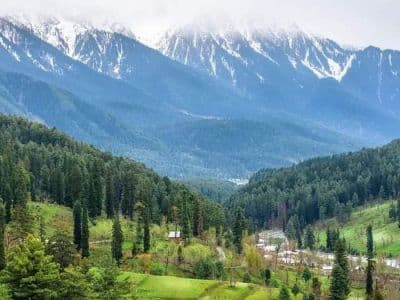
South Kashmir’s village roads often pass by small streams, channels, and field irrigation systems. If you are heading toward Pahalgam, nearby countryside stretches can offer glimpses of traditional water use, especially in the greener months.
When to Visit for the Best Experience
The best time to notice kuhls in active use is generally from April to October, when fields are green and water flow is more visible. Spring and early summer are especially good because melting snow and seasonal flow keep the channels lively.
April to June is ideal if you want fresh landscapes, active farming, and comfortable travel weather. July to September brings fuller irrigation activity in many areas, though you should be prepared for occasional rain and road delays in the valley. October can also be beautiful, especially in orchard regions, but the water network may be less dramatic as the season cools.
Winter is not the best season for a focused kuhl trail because some channels may be dry, reduced, or less visible. If you are travelling in winter for snow and scenery, treat kuhls as an added cultural detail rather than the main attraction.
How Kuhls Work: A Simple Explanation
The basic idea is straightforward. Water is diverted from a stream or spring into a channel that runs slightly downhill, allowing gravity to move it through fields and settlements. In many areas, the channel can be adjusted with small stone or earth controls so that water reaches different users at different times.
This system requires local understanding of terrain, flow, and timing. If the slope is wrong, the water stagnates or runs too fast. If the channel is not maintained, silt and debris reduce flow. That is why community involvement matters so much. The beauty of the system lies in its balance: simple enough to run without complex machinery, yet skilled enough to serve a whole agricultural belt.
How to Experience Kuhls Respectfully as a Traveller
Because kuhls are part of working farmland, the best way to observe them is with care. Stay on paths, ask before entering private fields, and do not step into channels or block water flow for photographs. If you are with a local guide, they can help you identify public viewing points without disturbing daily use.
If you want a more meaningful experience, spend time in a village breakfast stop, ask about local crops, and listen to how residents talk about water. A short conversation can teach you far more than a rushed sightseeing stop. In Kashmir, these details often reveal how closely agriculture, climate, and community life are linked.
- Wear shoes with good grip if you are walking near muddy field edges.
- Carry a light jacket even in summer, especially in the morning or evening.
- Ask before photographing people, fields, or private irrigation access points.
- Avoid littering near channels, as even small waste can obstruct water.
- If you are travelling with children, keep them away from slippery embankments.
Suggested Short Itinerary Around Kashmir’s Irrigation Landscape
If you want to make kuhls part of a larger Kashmir holiday, you do not need a separate long trip. They fit naturally into a 5- to 7-day itinerary focused on Srinagar and the nearby countryside.
- Day 1-2: Srinagar for the Dal Lake experience, Mughal gardens, and old city walk.
- Day 3: Half-day rural drive around Budgam or nearby farming areas to observe irrigation channels.
- Day 4: Gulmarg or Pahalgam for mountain scenery.
- Day 5: South Kashmir countryside stop on the return, if road time permits.
- Day 6-7: Extra time for Sonamarg, local markets, or a slower village visit.
This works especially well if you are travelling by private cab. Local drivers in Kashmir often know which side roads are worth a short stop, though you should always confirm road conditions and access on the day of travel.
Practical Travel Tips for Visiting Rural Kashmir
If you are planning to explore kuhl areas, think of transport, weather, and timing first. Village roads can be narrow, and a scenic route may take more time than maps suggest. In Kashmir, a 25-kilometre rural drive can easily take 45 minutes to 1.5 hours depending on traffic, road work, and stops.
Private cab fares for local sightseeing in Srinagar or nearby districts often fall around ?2,500-?5,500 per day, depending on vehicle type and distance. Shared transport is cheaper but less flexible for rural stops. If you are booking a guided day trip, confirm whether the fare includes waiting time, fuel, and extra detours to villages.
Accommodation in Srinagar ranges widely. Budget hotels may start around ?1,500-?3,000 per night, while comfortable mid-range houseboats and hotels often fall in the ?4,000-?10,000 per night range. Prices move quickly during peak season, so confirm before booking.
For food, a simple Kashmiri meal can cost around ?200-?500 per person in local restaurants, while fuller dining experiences cost more. Carry cash for small village purchases, though many tourist-facing places now accept digital payment. Network coverage is decent in many places, but it can be inconsistent in rural stretches.
| Season | What you will notice | Travel note |
|---|---|---|
| April-June | Fresh green fields, active water flow, pleasant weather | Best overall time for a kuhl-focused countryside stop |
| July-September | Strong agricultural activity, fuller landscapes | Carry rain protection and allow extra road time |
| October | Orchard season, cooler air, quieter fields | Good for photography, though some channels may be less active |
| November-March | Reduced visibility of irrigation use | Better for snow travel than for kuhl exploration |
How Kuhls Connect to Kashmir’s Living Culture
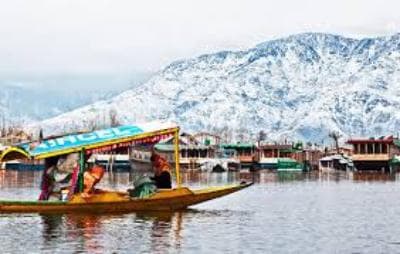
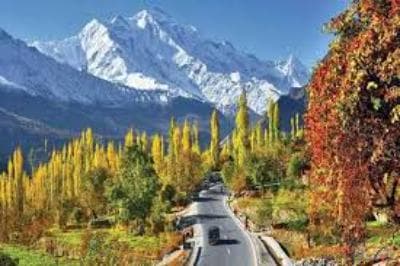
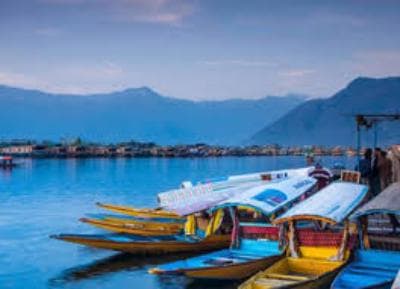
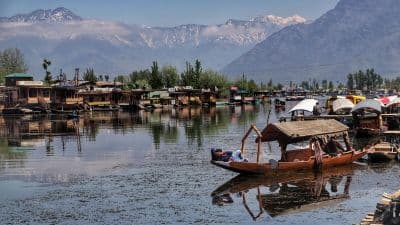
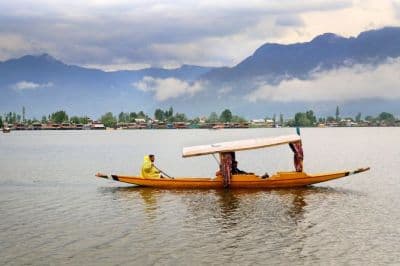
For many visitors, Kashmir is remembered for shikaras, gardens, snow peaks, and saffron fields. Kuhls add another layer: they show how people have adapted to the valley’s terrain through cooperation and practical wisdom. They are part of agriculture, yes, but also part of local identity.
You may notice that village life around these channels moves at a different rhythm. There is timing for water, timing for crops, and timing for maintenance. Those routines have helped shape the valley’s food system for years. If you enjoy cultural travel, this is exactly the kind of detail that turns a scenic trip into a memorable one.
Frequently Asked Questions
Are kuhls the same as canals?
They are similar in function, but kuhls are traditional, locally managed irrigation channels rather than modern large-scale canals. They are usually smaller and tied closely to village farming needs. In Kashmir, the term also carries cultural and historical meaning.
Can tourists visit kuhl areas freely?
You can often view them from public roads and village paths, but you should not enter private fields without permission. Since kuhls support working farms, it is important to be respectful and avoid disturbing the water flow. A local guide can help you choose safe, appropriate viewing points.
What is the best time of day to see them?
Morning and late afternoon are usually best because the light is softer and village scenes feel calmer. In hot months, early visits are also more comfortable for walking. If you are hoping for photography, these hours are especially useful.
Do I need a special permit to see kuhls in Kashmir?
No special permit is usually needed just to observe rural irrigation channels from public areas. However, access rules can change in certain localities, and some regions may have security or road restrictions. Always check with your driver, hotel, or local contacts before heading out.
Which Kashmir trip style suits a kuhl experience best?
A slow cultural trip or a mixed sightseeing trip works best. If your itinerary includes Srinagar, nearby village drives, and one or two mountain excursions, you can easily add a kuhl stop without rushing. This kind of travel is more rewarding than trying to squeeze everything into a single packed day.
Is a kuhl visit worth it if I only have 3-4 days in Kashmir?
Yes, if you enjoy local culture and landscapes. You do not need a long detour; even a short rural stop near Srinagar or en route to another destination can give you a good understanding of the system. Just keep it flexible and avoid overplanning.
Traditional kuhls may not be the most famous part of Kashmir, but they reveal a side of the valley that many travellers miss: patient, practical, and deeply connected to the land. If you give yourself even a small window to notice them, your Kashmir journey will feel more complete and more authentic.
Share this post with someone planning a Kashmir trip who would enjoy seeing the valley through its water, fields, and village life.
Planning a Kashmir trip?
Tell us your dates and who is travelling. Up to three local travel companies send you their itinerary and price.
Get free quotesDisclaimer: The information in this blog is for general information only. We try to keep it accurate and up to date, but TravelSetu accepts no liability for errors or omissions. If you believe any part of it infringes your rights, please write to info@travelsetu.com.