Babur Gardens (Baghe Babur) Tourism
Historical Site5.0(9 reviews)
About Babur Gardens (Baghe Babur)
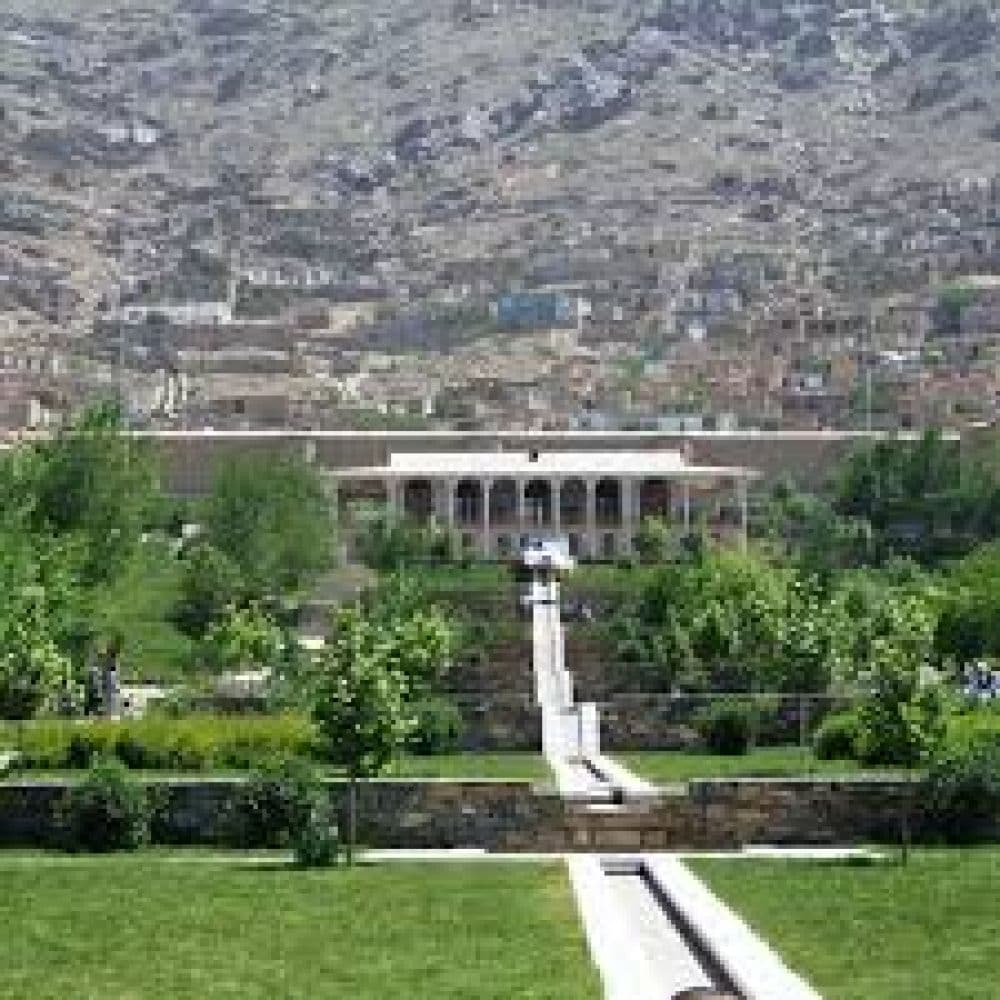
Babur Gardens, also known as Baghe Babur, are the final resting place of the first Mughal emperor, Babur, and represent one of the most significant historical sites in Afghanistan. The gardens are located in Kabul and spread across 11 hectares. Babur, when he captured Kabul, was so enamored by its natural beauty that he commanded for the creation of a garden there in the charbagh or Persian pairidaeza style, signifying a garden of paradise. Established in the early 16th century, the gardens embody the classical Persian garden arrangement, with a focus on geometrical patterns, division into four quarters by walkways or flowing water, and abundant greenery complemented by the scent of various blossoms, in particular roses. Despite suffering significant damage over many decades of war and neglect, the gardens have been restored in recent times, with attention paid to their historic authenticity. Key features of the restoration include a white marble mosque built by Shah Jahan and Babur's grave, which is a place of pilgrimage. The neat terraces, water channels, and well-maintained lawns provide a serene contrast to the bustling city of Kabul. Now, Babur Gardens stand as a symbol of Afghan cultural heritage and a testimony to the region's historical ties to the grand epoch of the Mughal era.
Top 5 Reviews on Babur Gardens (Baghe Babur)
benmignardi
5.0Wrote on 13 Oct 2018
Serenity in the centre of Kabul.
A very quiet and well groomed garden in the centre of the city. Many things to see and do or just a place to relax. It also has many historical sites to see and read about. If you’re looking for a place to hang out with friends or family, Garden of Babur is a must. Especially given the hustle and bustle in the rest of Kabul. It’s simply a wonderful destination to find tranquility and to experience peace of mind!!!