Champhai (Mizoram) FAQs In 2026 - 2027
Town
10 FAQs on Champhai
What is Champhai known for in terms of tourism?
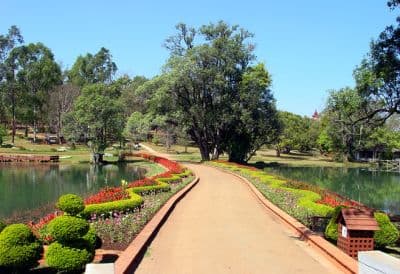
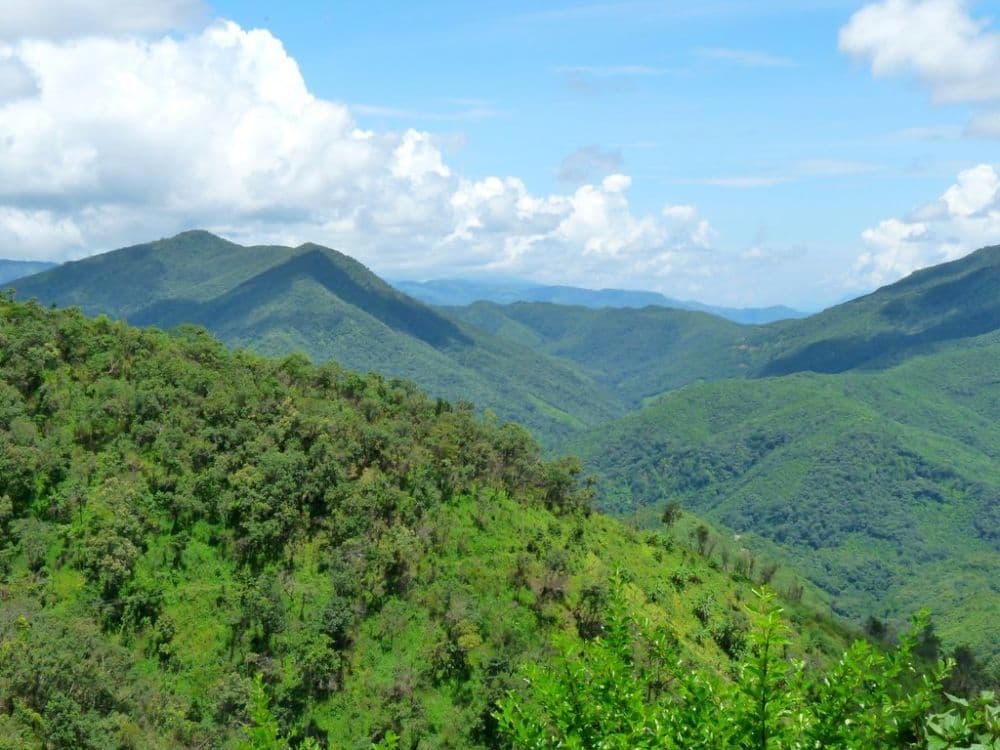
Champhai is known for its breathtaking landscapes, lush green hills, and rich cultural heritage. This town in Mizoram, India, offers stunning panoramic views of the Myanmar hills and serves as a base for tourists exploring the surrounding areas. With its vibrant festivals, historical sites, and natural beauty, Champhai is a significant tourist destination for those seeking to experience the tranquility and culture of Northeast India.
How do I get to Champhai?
Champhai can be reached by road from Aizawl, the capital of Mizoram, which is around 192 km away. The nearest airport is Lengpui Airport near Aizawl, which connects with major Indian cities. From the airport, one can hire a taxi or take a bus to Champhai. Additionally, Bairabi is the nearest railway station, being about 110 km from Aizawl; from there, one can travel by road to Champhai.
What is the best time of year to visit Champhai?
The best time to visit Champhai is from October to May when the weather is pleasant, with minimal rainfall, which is ideal for sightseeing and outdoor activities. The winter months are cool and comfortable, while the spring season is particularly beautiful with blooming flowers and lush vegetation.
What are the main attractions in Champhai?
Champhai's main attractions include the Murlen National Park known for its rich flora and fauna, Rih Dil near the India-Myanmar border which is a heart-shaped lake considered sacred, Thasiama Seno Neihna which offers a stunning vantage point for trekking enthusiasts, the historical site at Fiara Tui, and the ancient town of Mizo Hlakungpui Mual. Additionally, the vibrant Zokhawthar market at the border is a must-visit for those looking to experience local trade and culture.
Are there accommodations available in Champhai?
Yes, Champhai provides various accommodation options, from budget hotels to rest houses. While the options may not be as luxurious as in larger cities, they offer comfortable and clean facilities that provide a good night's rest for travelers.
What kind of food can I expect to find in Champhai?
In Champhai, you can expect to find a mix of traditional Mizo and other Northeast Indian cuisines. Rice is the staple food, often served with meat, fish, and a variety of local vegetables. Dishes often incorporate bamboo shoots, beans, and Mizo spices, with a simple yet unique flavor profile that is both healthy and organic. Restaurants and local eateries also serve Indian and Chinese cuisines to cater to various palates.
Is it necessary to hire a guide while in Champhai?
While it is not mandatory to hire a guide, having one can enhance your travel experience, especially if you're interested in exploring remote areas or understanding the local culture and traditions in-depth. Guides can also assist with language barriers and provide valuable information on the best places to visit, eat, and stay.
What activities can tourists engage in while in Champhai?
Tourists can engage in numerous activities such as trekking, bird-watching, and exploring the beautiful landscapes of the surrounding regions. They can also visit local villages to experience the traditional Mizo way of life, enjoy cultural performances, and take part in local festivals if their visit coincides with any.
What sort of cultural experiences does Champhai offer?
Champhai offers a rich tapestry of cultural experiences, ranging from traditional Mizo dance and music performances to festivals like Chapchar Kut, Mim Kut, and Pawl Kut that celebrate agricultural practices and seasons. Visitors can also explore local handicrafts, learn about the folklore and legends of the region, and interact with the friendly locals to get an insight into their way of life.
Is there any wildlife to be seen in Champhai?
Yes, Champhai region is home to Murlen National Park which is rich in wildlife. Here, one may spot several species of birds, wild boars, leopards, and the Himalayan black bear among other wildlife. The park also harbors a variety of plants and trees, some of which are rare and endangered. Safari trips and treks can be organized with local guides to explore the wilderness.
Places to Visit in Champhai
View all places to visit in Champhai
Murlen National Park
4.0(1 reviews)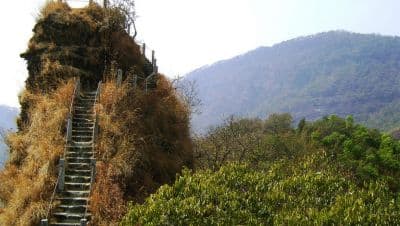
Thasiama Seno Neihna
4.0(1 reviews)
Rih Dil Lake

Lengteng Wildlife Sanctuary
4.0(2 reviews)
Mizo Hlakungpui Mual

Fiara Tui

Champhai Valley

Zokhawthar Border Market

Kungawrhi Puk (cave)

Palak Wildlife Sanctuary
4.0(1 reviews)