Liuhe Pagoda (Hangzhou) FAQs In 2026 - 2027
Cultural Landmark
10 FAQs on Liuhe Pagoda
What is Liuhe Pagoda?
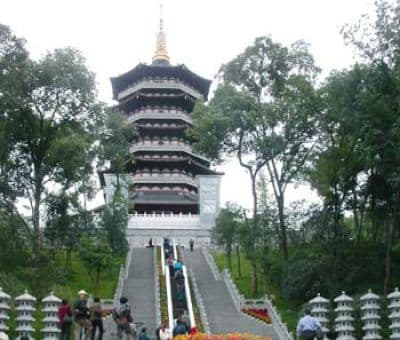
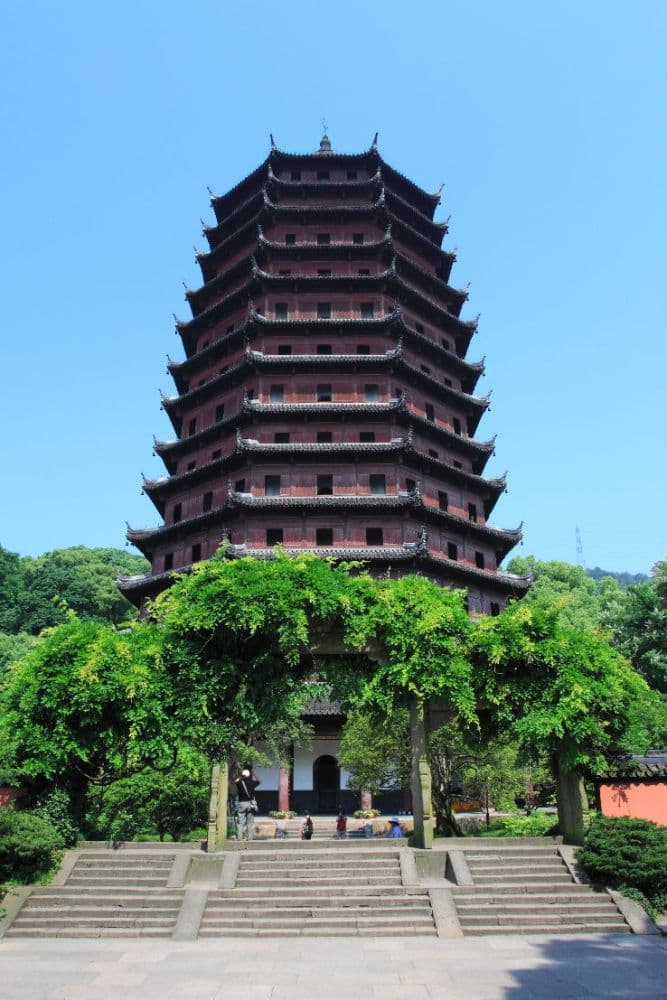
Liuhe Pagoda, also known as the Six Harmonies Pagoda, is a multi-story Chinese pagoda located in Hangzhou, Zhejiang province, China. It dates back to the Northern Song Dynasty (960–1127) and stands at the foot of Yuelun Hill, overlooking the Qiantang River. Its architecture is a masterpiece of ancient Chinese engineering and design.
Why is it called Liuhe Pagoda?
The name 'Liuhe' translates to 'Six Harmonies' and refers to the six Buddhist ordinances, which aim at harmonizing the body, mind, and spirit with the universe. The pagoda was initially built for the purpose of calming the tidal waters of the Qiantang River, and also functioned as a lighthouse.
How do I get to Liuhe Pagoda?
Liuhe Pagoda is located in the southeastern part of Hangzhou. Tourists can take local buses, taxis or even enjoy a bike ride along the river to reach the site. Public transportation in Hangzhou is convenient for visiting the pagoda.