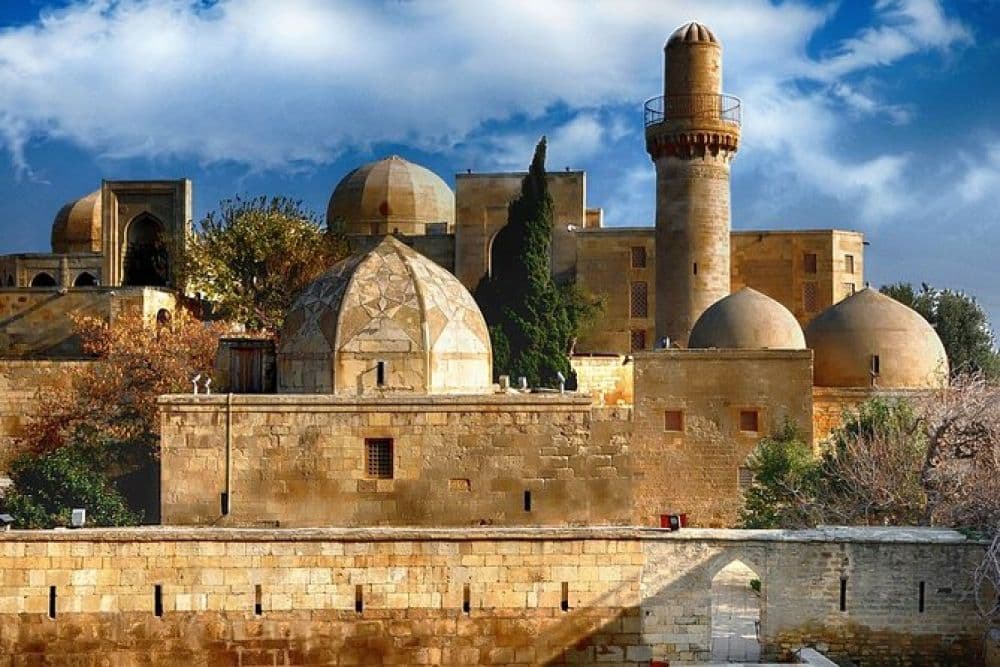
Palace Of The Shirvanshahs (Baku) FAQs In 2026 - 2027
Historical Landmark
10 FAQs on Palace of the Shirvanshahs
What is the Palace of the Shirvanshahs?
The Palace of the Shirvanshahs is a historic palace complex in Baku, Azerbaijan, and is one of the landmarks of Azeri culture. Built during the 15th century under the Shirvan Empire, it served as the royal residence for the Shirvanshahs dynasty. The palace is an outstanding example of medieval Azerbaijani architecture and includes various residential and administrative buildings, a mosque, mausoleum, bathhouse, and the palace itself, all adorned with intricate stone carvings and decorative features.
Where is the Palace of the Shirvanshahs located?
The Palace of the Shirvanshahs is located in the Inner City (Icherisheher), the historical core of Baku, the capital of Azerbaijan. It is situated on a hill overlooking the Caspian Sea and the rest of the city.
Why is the Palace of the Shirvanshahs significant?
The Palace of the Shirvanshahs is significant as it represents a pinnacle of Azerbaijani architecture and culture. It has been designated as a UNESCO World Heritage Site due to its historical importance, architectural uniqueness, and as a symbol of the power and influence of the Shirvan Empire. The palace complex is an important cultural and historical artifact, providing insight into the medieval period of Azerbaijan.
What can tourists see at the Palace of the Shirvanshahs?
Tourists visiting the Palace of the Shirvanshahs can explore its various buildings and structures, including the main building of the palace, the Divankhana (reception hall), the Tomb of Shirvanshahs, the Palace Mosque with a minaret, the mausoleum of Seyid Yahya Bakuvi, the Murad's Gate, a bathhouse, and a network of courtyards and gardens. The site also features a museum where visitors can learn about the history of the palace and the Shirvan state.
When is the best time to visit the Palace of the Shirvanshahs?
The best time to visit the Palace of the Shirvanshahs is during spring (April to June) and autumn (September to November) when the weather in Baku is mild and pleasant for outdoor activities. Summer can be very hot, while winter can be quite cold, which might affect the enjoyment of exploring the outdoor parts of the complex.
Are there guided tours available at the Palace of the Shirvanshahs?
Yes, guided tours are available at the Palace of the Shirvanshahs, and they are highly recommended to enhance the visitor experience. Guides can provide in-depth knowledge about the site's history, architectural details, and cultural significance. Visitors can often find tours offered in various languages.
How much time should tourists allocate for a visit to the Palace of the Shirvanshahs?
Visitors should allocate at least 1 to 2 hours for a visit to the Palace of the Shirvanshahs to fully enjoy and appreciate the complex. However, those with a keen interest in history and architecture may wish to spend more time exploring the site.
Is there an entrance fee to visit the Palace of the Shirvanshahs?
Yes, there is generally an entrance fee to visit the Palace of the Shirvanshahs. It is advisable to check the latest fee structure and opening hours before planning a visit, as these can change. Discounts may be available for children, students, and senior citizens.
Are photography and video recording allowed inside the Palace of the Shirvanshahs?
Photography for personal use is usually allowed inside the Palace of the Shirvanshahs, but flash photography and professional shoots might be subject to restrictions or require special permission. Visitors should check the current photography policy at the entrance or with their guide.
What other attractions are near the Palace of the Shirvanshahs?
The Palace of the Shirvanshahs is located within the Icherisheher, the historic fortified city of Baku. Nearby attractions include the iconic Maiden Tower, numerous historical buildings, quaint shops, traditional restaurants, and museums. The surrounding area itself is a tourist attraction, filled with narrow lanes and historic structures that reflect the city's past.
Other Places to Visit in Baku
View all places to visit in Baku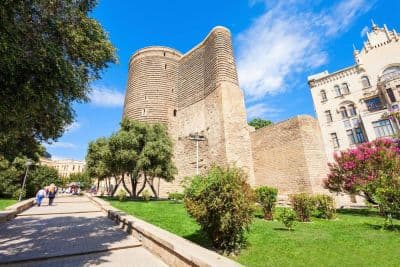
Maiden Tower

Flame Towers

Baku Boulevard

Heydar Aliyev Center

Azerbaijan Carpet Museum

Baku Old City (Icherisheher)

Baku Ferris Wheel

Highland Park

Yanar Dag (Burning Mountain)


