Potala Palace Tourism
Historical Site5.0(2,508 reviews)
About Potala Palace
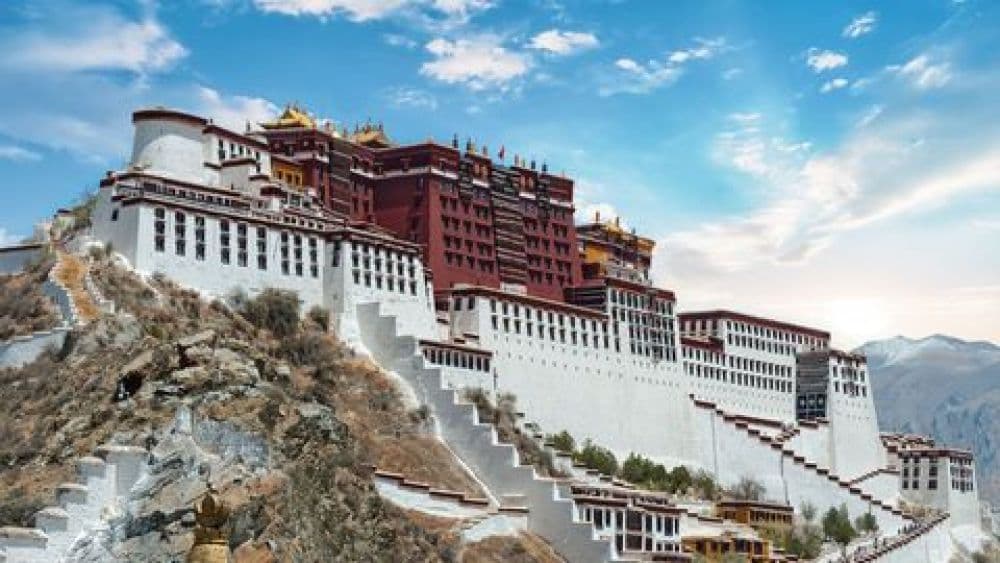
The Potala Palace, located in Lhasa, the capital city of the Tibet Autonomous Region of China, stands as an emblem of Tibetan Buddhism and its central role in the traditional administration of Tibet. Constructed in the 17th century, it served as the winter residence of the Dalai Lamas until the 14th Dalai Lama fled to India. The palace is named after Mount Potalaka, the mythical abode of Chenresig or Avalokitesvara. An architectural marvel, the Potala Palace is perched atop Marpo Ri hill, 130 meters above the Lhasa valley, and rises a further 170 meters, symbolically uniting heaven and earth. The complex comprises the White Palace, which once housed the administrative offices and the living quarters of the Dalai Lama, and the Red Palace, dedicated to religious study and prayer. It encompasses a treasure trove of Tibetan history and culture, with its intricate murals, statues, and tombs of past Dalai Lamas. This palace is also a UNESCO World Heritage Site, revered as a masterpiece of Tibetan art and architecture, and remains a pilgrimage site for Tibetan Buddhists and a popular tourist attraction.
Top 5 Reviews on Potala Palace
891JonN
5.0Wrote on 25 Apr 2024
Amazing place to visit in Lhasa
An UNESCO site in the heart of Lhasa. There’s quite some steps to climb to get to the chambers of the past Lamas and the monastery. Take it slow since you are at above 3,600m elevation. It’s huge and interesting place to visit where you can witness very old statues and past Lamas living areas. At the top, you can also have a good view of Lhasa city with snow cap mountains behind. Definitely worth the visit