Tibet Museum Tourism
Museum4.0(212 reviews)
About Tibet Museum
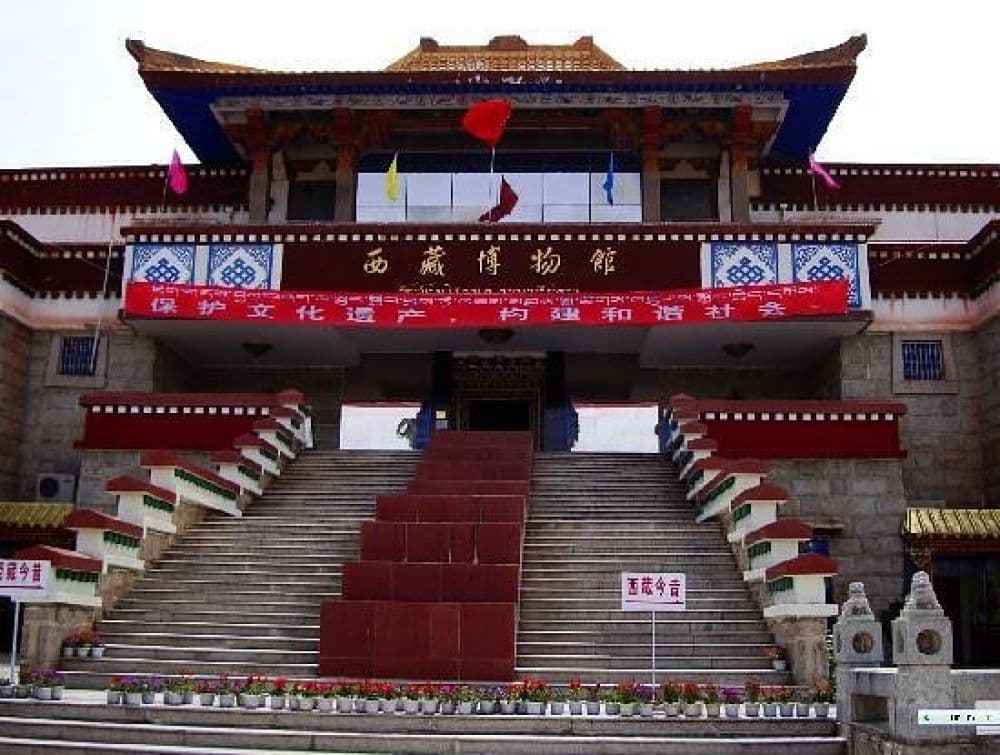
The Tibet Museum, situated in the city of Lhasa, is the official museum of the Tibet Autonomous Region of China. Located in the southeast corner of the Norbulingka Palace, it covers an area of 53,959 square meters. The museum was inaugurated in October 1999, making it one of the first large, modern museums in the region. It showcases Tibetan history, art, and culture, with a rich collection that includes cultural relics, handicrafts, and various artifacts that reflect the history of Tibetan civilization. The architecture of the Tibet Museum combines Tibetan architectural elements with modern construction methods, making it a symbolic representation of the fusion of the old and new. Inside, visitors can explore exhibits detailing Tibetan politics, economics, and religion as well. The museum plays a crucial educational role and contributes to the preservation of Tibetan cultural heritage. Alongside its permanent collection, the museum also hosts temporary exhibitions and cultural performances, providing a comprehensive and dynamic perspective on Tibetan culture and history.
Top 5 Reviews on Tibet Museum
PeterRX27
2.0Wrote on 17 Jul 2023
Propaganda museum
+ Some interesting exhibitions about Tibetan culture and history… - unfortunately the most interesting have no English descriptions - no English Audioguide - - it’s a big propaganda sh*t show: the museum’s purpose is to prove that Tibet is a part of China and all the good things the CPC and the dynasties before has done for Tibet