Sheikh Muslihiddin Mausoleum (Khujand) History
Sheikh Muslihiddin Mausoleum, Khujand, Tajikistan
History of Tourism at Sheikh Muslihiddin Mausoleum
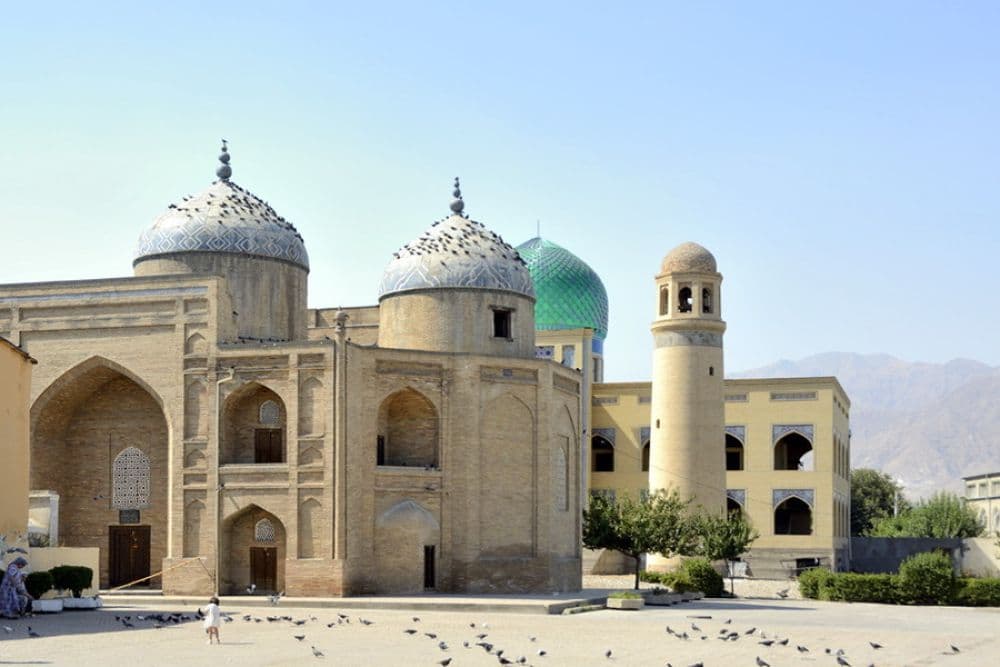
The Sheikh Muslihiddin Mausoleum is a significant historical and religious landmark situated in the city of Khujand, in northern Tajikistan. It is dedicated to Sheikh Muslihiddin Khujandi, a 12th-century poet and ruler of the city, who is widely revered in the region.
The site has been an important pilgrimage destination for centuries, drawing visitors from across Central Asia. The existing structure of the mausoleum dates back to the 14th century, although it was significantly renovated in the 20th century. The complex includes a mosque, a minaret, and the main mausoleum building where the sheikh is buried.
With the collapse of the Soviet Union and Tajikistan gaining independence in 1991, there was a resurgence of interest in the country’s pre-Soviet Islamic heritage. The government began promoting such historical sites to foster a renewed sense of national identity and to attract tourists interested in the rich cultural and religious history of the region.
Latest Tourism Trends
In recent years, Tajikistan has started tapping into the potential of its cultural landmarks to boost tourism. The Sheikh Muslihiddin Mausoleum, due to its historical significance and architectural beauty, is at the forefront of these efforts.
The latest trends in tourism at the Sheikh Muslihiddin Mausoleum include:
- Development of Infrastructure: The Tajik government has been upgrading infrastructure around historical sites, with better roads, signage, and visitor facilities to make the mausoleum more accessible and tourist-friendly.
- Eco-Cultural Tourism: There is a growing emphasis on eco-cultural tourism, which promotes sustainable travel and allows visitors to experience the local lifestyle, cuisine, and traditions, alongside historical exploration.
- Digital Promotion: The use of digital platforms for the promotion of tourism spots like the Sheikh Muslihiddin Mausoleum has been enhanced, reaching a wider, international audience through social media and travel blogs.
- Community Involvement: Local communities are more involved in tourism. This includes providing guides, homestays, and the sale of local handicrafts, which adds to the overall experience and benefits the economic development of the region.