Somaseshu
★★★★★5.0Wrote on 30 Mar 2020
My Visit to Srikurmam, Srikakulam, Andhra Pradesh
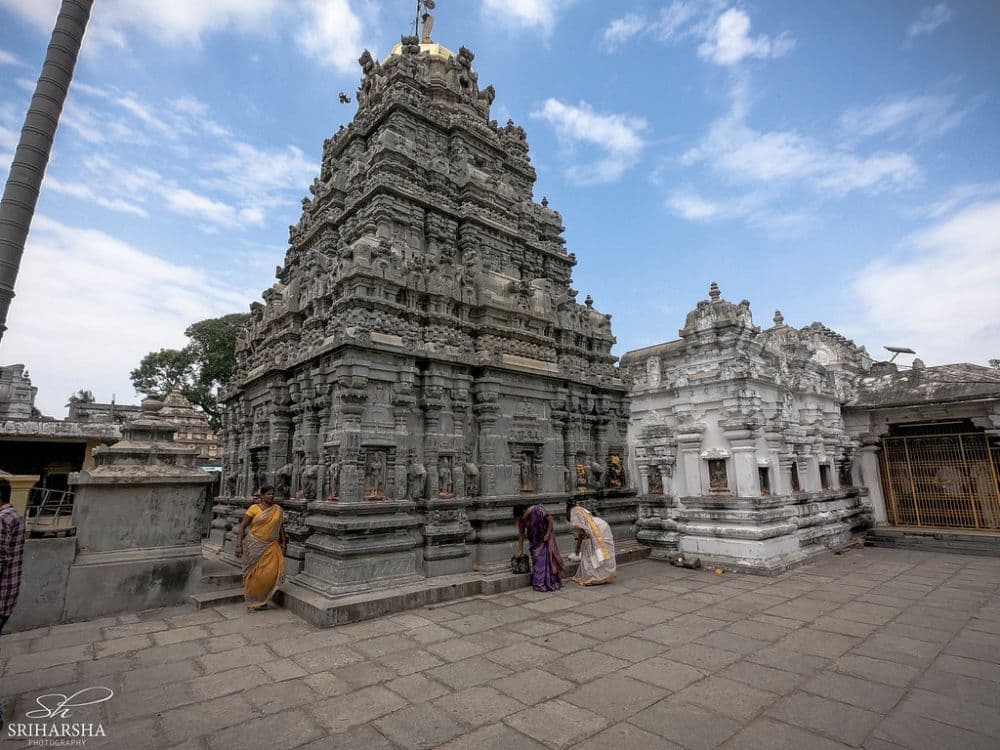
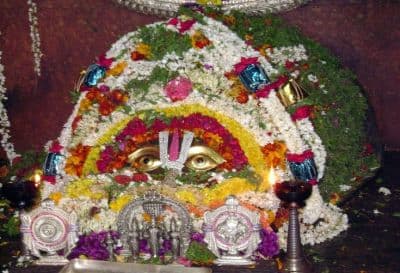
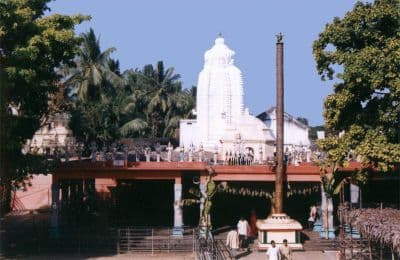
This is a unique temple where Lord Vishnu manifested Himself in the incarnation of the divine tortoise or Kurma who helped the gods and demons when they churned the milky ocean using the Mandara Mount as a churning device. This temple is regarded as one of the important Vaishnavite holy places. The eastern Ganga kings respected this place as their Guru Peetha. This temple is not only regarded as Moksha Sthana (place for salvation) but also as a Pitru Kshetra (holy place of ancestors). So many people perform rituals for their ancestors here which will give them salvation. Narahari Theertha, disciple of Madhwacharya, created the office of Bhoga Parikasha (religious head) to supervise the temple activities. He later built a temple for Yogananda Narasimha in front of this temple. According to temple inscriptions Narasimhadasa Pandita and Purushottama Deva served as Bhoga Parikshas here. This temple’s history goes back to times immemorial up to Krita Yuga of 28th Maha Yuga of Vaivaswatha Manvantara, nearly twenty lakh years ago according to the Vedic calendar. According to legends Swetha Chakravarthi in a fit of infatuation tried to make love to his wife, Vishnu Priya when she was in Vrata (religious rite) on Shuddha Ekadashi day. When she prayed to God, Lord Vishnu sent a rushing stream to separate her from her husband who was carried away by the flowing waters to a hill called Swetha Giri. Sage Narada appeared there and taught him Kurma Narayana Mantra and advised him to do penance. The king was blessed with the appearance of Lord Narayana in His Kurma Avatar. As per the king’s wish the Lord stayed there. According to Padma Purana Lord Brahma consecrated the deity with Gopala Yantra. A pushkarini or pond was created by Lord Vishnu using His Sudarshan Chakra to heal the king who became very weak. This Pushkarini is called Swetha Pushkarini or Sudarshana Kund from which Vishnu’s consort emerged with her mount Garuda. She is called Kurma Nayaki. In the middle of the temple pond a small mandapam called “Narasimha Mandapam†is seen. Later this temple was re-built many times in different periods. It is believed that bathing in this holy pond on Magha Suudha Chavithi relieves one from many sins. The Parikrama Mandapa is said to have been built in 2nd century A.D. The sanctum or Garbha Griha was built in 7th century A.D. The first outer Prakaram or compound wall was built in 13th century. According to historical evidence this temple was built by the eastern Ganga king Ananthavarman Choda Ganga in 1281 A.D. Previously the deity was worshipped as Kurmeshwara in Shaivite tradition. In eleventh century Sri Ramanuja visited this place and converted it to a Vaishnavite temple with the support of the eastern Ganga King. It is said that the Lord turned to the west to give darshan to Ramanuja. Hence in this temple there are two dwaja sthambas, one in the east and the other one in the west, a unique feature not found in many Vishnu temples. The devotees have direct access to inner sanctum here to have the darshan of the Lord. The idol of Kurmanadha is made of special black stone called Saligrama. The deity is 2.5 feet long consisting of three structures with the head facing west and the rear part marked with swirling lines. The Utsava deities Govinda Raja, Sri Devi and Bhu Devi were found in Swetha Pushkarini in twelfth century. The Utsava deities of Lord Rama, Lakshmana and Sita were later presented by Narahari Theertha. All these vigrahas or idols are seen in a small room near the sanctum and are worshipped daily. Beside the main sanctum the shrine of Maha Lakshmi (Kurma Nayaki) is seen. Accroding to Puranas many great persons visited this place. Rama’s sons Lava and Kusha came to this place and worshipped the Lord. Sage Durvasa also visited this place with his disciples. Lord Bala Rama also came to this place. Great spiritual teachers like Adi Sankaracharya in 8th century, Sri Ramanujacharya in 11th century and Narahri Theertha in 13th century and Sri Chaitanya Mahaprabhu in 1512, visited this place and worshipped the Lord. This temple was built in the style fusing both Andhra and Kalinga styles of architecture (Gandharva Shilpa Sampradaya). The Vimana or tower was built in Dravidian pyramid-shaped style. The superstructure has an octagonal sikhara (summit) adorned by a kalasa. The mandapa has 108 monolithic stone pillars with different carvings and designs with none resembling the others. Each pillar was shaped in its own original way. Some inscriptions related to royal lineages from 11th to 19th centuries are seen on these pillars. In Niches or Koshtas around the temple images of Vishnu, Gaja Lakshmi, Ganesh, Durga, Trivikrama, Narasimha, along with Ashta Dikpalakas (lords of eight directions) are beautifully carved though some of them were damaged. One can see nearly forty-one beautiful mural paintings on the temple walls just like the paintings in Ajanta caves. In May, 2011, the A.P.State Archaeology took measures to preserve these mural paintings. To protect this temple from foreign invaders during 14th and 15th centuries, the locals applied limestone mix on the entire temple and camouflaged it to look like a hillock. Even now these marks of lime are noticed on the walls of the temple. In the temple premises within an enclosure (Tortoise Park) more than a hundred star tortoises are kept and taken care of the Govt. of A.P. and the N.G.O. Green Mercy organization.The star tortoises are land animals found in India, Pakistan and Sri Lanka. But these pretty creatures covered with dust were crawling in a congested space where a few leaves of greens are thrown. Of course the temple authorities need sufficient money for the up-keep of these animals. It would be better if they are kept in a spacious area with sufficient greenery and a pond in the middle so that they can move freely and get adequate attention. At present this temple is managed by the A.P. Hindu religious and Endowment Board and the Gajapati Rajus of Vijayanagaram are the temple trustees. On 11th April, 2013, the Indian Postal Department issued a stamp featuring this temple . This temple follows both Shaivite and Vaishnavite traditions of worship. Abhishekam is done every day. Nitya Kalyanam and Nitya Bhogam are done. The annual Kalyonotsavam is done on Vaisakha Suddha Ekadashi. Kurma Jayanti (Jyesta Bahula dwadashi) and Vaikunta Ekadashi are also celebrated along with three day Dolostavam. Kamadahanam is celebrated on the first day followed by Padiya and Dolotsavam. The opening hours of this temple are from 6.00 a.m. to 11.00 a.m. and from 3.00 p.m. to 8.00 p.m. This temple is at a distance of 50 kms from Srikakulam and 130 kms from Visakhapatnam. On the way to this temple Patala Siddeshwara’s temple is seen. People believe that one has to visit this temple before entering the main temple of Kurma Nadha. *