If you are planning a quieter Himachal trip and want village life, mountain views, apple orchards, and unhurried road journeys, Karsog Valley deserves a place on your list. This article will help you understand which villages to explore, when to go, how to reach them, where to stay, and what kind of trip suits this valley best.
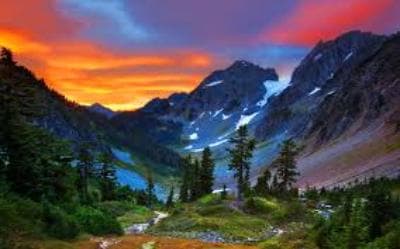
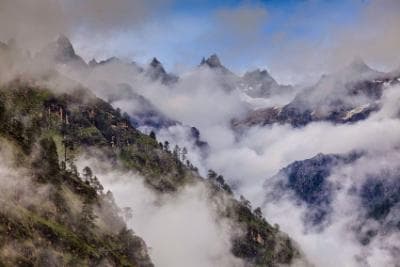
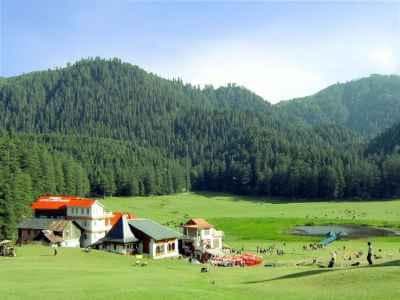
Karsog sits in Mandi district of Himachal Pradesh and feels very different from the busier tourist circuits of Shimla, Manali, or Dalhousie. The valley is known for scattered villages, terraced fields, deodar forests, ancient temples, and friendly local homes, making it a strong choice for travellers who want a slower, more rooted Himachal experience.
Why Karsog Valley is worth your time
Karsog Valley is not about one single attraction. Its charm lies in the journey between villages, the small markets, the views across forested slopes, and the rhythm of everyday mountain life. You can drive through apple-growing areas, stop at old temples, speak with villagers, and spend time in places where tourism still feels light.
This part of Himachal is especially appealing if you want fewer crowds and more landscape. The roads are hilly but manageable, and the valley works well for a 2-4 day trip from Shimla, Mandi, or even Chandigarh if you are comfortable with long drives.
For Indian travellers, Karsog is also practical because it does not need a highly expensive itinerary. A comfortable village stay, local food, and hired transport can keep the trip within a moderate budget. Expect local stays and homestays to start around ?1,200-?2,500 per night, with better cottages or boutique stays in the ?3,000-?6,000 range, depending on the season and amenities.
How to reach Karsog Valley
The most convenient way to reach Karsog is by road. From Shimla, the drive usually takes around 4-6 hours depending on traffic and road conditions. From Mandi, it is roughly 3-4 hours. If you are coming from Chandigarh, plan for about 7-9 hours by road, including breaks.
The nearest major bus-connected towns are Mandi and Shimla. From there, you can continue by Himachal Road Transport buses, local buses, or a private taxi. Bus frequency can vary by season and day, so confirm the latest timings before you travel.
If you are flying in, the nearest practical airports are Shimla airport at Jubbarhatti for limited flights and Chandigarh airport for more reliable connections. From either airport, you will still need a road transfer into the valley.
Travel tip
If you are self-driving, start early from your base town. Mountain roads can be slower than the map suggests, and daylight driving is always the safer choice. A small hatchback or sedan can work, but a car with decent ground clearance is more comfortable on hill stretches.
Villages in Karsog Valley you should know
One of the most satisfying ways to explore Karsog is to move village by village rather than rushing from one sightseeing point to another. The valley does not have a single “tourist centre”; instead, it opens up in layers.
1. Karsog town and nearby hamlets
Karsog town is the main base for the valley and a useful stop for meals, supplies, and local transport. Around it, you will find smaller hamlets with apple orchards, wheat fields, and homes built on slopes. Staying near Karsog gives you access to daily-life markets while still keeping you close to village trails and viewpoints.
This is a good starting point if it is your first time in the region. You can stay here, take short drives to nearby villages, and return before dark.
2. Mahunag area villages
The Mahunag temple area is one of the better-known names in Karsog Valley, and the surrounding villages are worth a slow visit. The roads and slopes around this belt are good for those who enjoy temple visits mixed with rural scenery. You will often find orchards, small tea stalls, and locals going about daily work rather than a tourist-heavy setup.
If you enjoy cultural stops, this zone gives you a sense of how faith and village life blend in Himachal. Spend some time here rather than treating it as a quick photo stop.
3. Gogar and the surrounding slopes
Gogar is associated with temple traditions and village movement in the area, and nearby settlements offer a quieter atmosphere. The surrounding landscape is excellent for slow walks and road-side viewpoints. If you are travelling with older family members, this side of the valley can be easier to enjoy because it does not demand long treks.
4. Areas around Sangha and adjoining villages
The Sangha side and its adjoining villages are a good fit if you want a more agricultural feel. Terraces, seasonal crops, and orchard belts dominate the scenery here. In spring and early summer, the fields look especially fresh, while autumn brings cleaner skies and better mountain visibility.
5. Jarol and neighbouring village belts
Village clusters around Jarol are useful for travellers looking for homestays and local interaction. These places can be quieter at night, so they suit visitors who want to wake up to birds, open views, and a village breakfast instead of a crowded market atmosphere.
When you plan your route, do not try to cover too many villages in one day. In Karsog Valley, distance on paper is less important than road time, bends, and the number of photo stops you will naturally make.
What to see and do in the villages
Karsog Valley villages are best enjoyed through simple activities. You do not need a packed sightseeing list to enjoy them well.
- Walk through orchards: Apple orchards are a major part of the valley economy, and walking beside them gives you a real sense of seasonal Himachal life.
- Visit village temples: Local temples are often the cultural centre of a settlement, and they reveal more about the area than a rushed photo stop.
- Try local food: Expect simple meals like rajma-chawal, siddu when available, madra, seasonal vegetables, and tea with mountain views.
- Watch daily life: Women working in fields, children walking home, farmers tending crops, and local transport on narrow roads are all part of the experience.
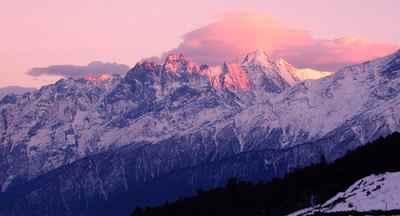
- Drive to viewpoints: Small roadside view points and bends offer broad valley views, especially in clear weather after rain or in winter.
If you like photography, visit in the early morning or just before sunset. The light is softer, and the valley often looks best when shadows fall across the terraces.
Best time to visit Karsog Valley villages
The best time for Karsog depends on the kind of trip you want. The valley changes a lot through the year, and each season offers something different.
| Season | What it feels like | Best for |
|---|---|---|
| March to May | Pleasant weather, fresh greenery, comfortable road travel | Village walks, family trips, photography |
| June to August | Monsoon showers, lush slopes, occasional road delays | Green scenery, slower travel, cooler breaks from plains heat |
| September to November | Clear skies, crisp air, good visibility | Best overall travel window, views, orchard landscapes |
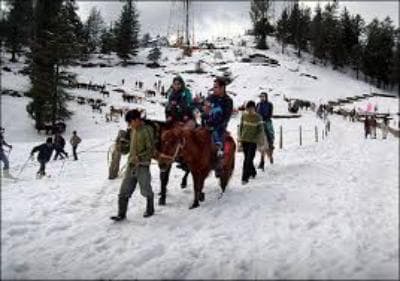
| December to February | Cold weather, possible frost and snow at higher stretches | Winter feel, quiet stays, short village breaks |
For most travellers, September to November is the sweet spot. March to May is also comfortable if you prefer fresh spring weather. During monsoon, check road conditions before you leave, because hill roads can slow down quickly after rain.
Where to stay in and around the villages
Accommodation in Karsog Valley is usually in the form of homestays, guesthouses, and a few small hotels. If you want an authentic village experience, choose a homestay in or near a settlement rather than staying only in a town centre.
Homestays are often the best choice for couples, families, and small groups who want home-cooked meals and local advice. A typical stay may include basic but clean rooms, hot water at fixed times, and simple food made to order. Expect to pay around ?1,200-?2,500 per night for standard homestays and ?3,000-?6,000 for more polished boutique-style options. These ranges can change by season, occupancy, and meal inclusion.
If you are travelling in peak months like May, June, or around festive periods, book in advance. In remote parts of the valley, choices can be limited, and the best stays get filled before weekends.
What to ask before booking
- Whether meals are included or charged separately
- Hot water availability and power backup
- Mobile network strength for your operator
- Parking space if you are self-driving
- Road condition up to the property
Suggested Karsog village itinerary
If you have 2-3 days, keep the trip simple and avoid overplanning. The valley is more enjoyable when you allow time for slow movement and unexpected stops.
- Day 1: Reach Karsog town by afternoon, settle into a homestay, and explore the nearest village roads and market area.
- Day 2: Visit the Mahunag side, stop at nearby villages, eat local food, and spend the afternoon at orchards or viewpoints.
- Day 3: Take a relaxed morning drive through another village cluster such as Jarol or Sangha side routes, then begin return travel after lunch.
If you have just one full day, choose one village belt and one temple or market stop. Trying to “cover everything” will only leave you tired and prevent you from enjoying the valley properly.
Practical travel tips for Indian visitors
Carry cash, because small shops and village stays may not always have strong digital payment support. Network coverage can be patchy in some stretches, so download maps offline before entering the valley. If you are travelling with children or elderly parents, keep a buffer in your schedule for rest stops.
Pack layers even in summer. Mornings and evenings can feel cool, especially if you are staying in higher or wind-exposed villages. Comfortable walking shoes are important because village lanes, stone paths, and short slope walks can be slippery after rain.
If you are visiting in winter, ask your host about room heating, hot water, and road conditions. Snow is not guaranteed in every village, but frost and cold mornings are common enough to affect comfort.
Frequently Asked Questions
How many days are enough for Karsog Valley villages?
Two to three days is a good amount for a relaxed trip. This gives you enough time to stay in one place, visit a few villages, and enjoy the valley without rushing. If you want to combine Karsog with nearby Himachal destinations, add an extra day.
Is Karsog Valley suitable for a family trip?
Yes, especially if your family enjoys calm places and road journeys. The trip is better for people who are comfortable with hill roads and slower movement. Choose a stay with good access, parking, and basic comforts if you are travelling with children or senior citizens.
Can I find good food in Karsog villages?
You will find simple, satisfying local food in homestays and small eateries. Meals are usually home-style rather than fancy, which is part of the appeal. If you need very specific diet options, inform your host in advance.
Is Karsog better in summer or winter?
Summer and early autumn are easier for most travellers because roads are more comfortable and views are clearer. Winter is quieter and colder, with a stronger mountain feel, but it can be less convenient if you are not used to hill weather. For the most balanced experience, September to November works very well.
Do I need a guide to explore the villages?
You do not strictly need a guide, but a local contact or host can improve your trip. They can suggest the best village roads, tell you which routes are open, and help you understand local customs. If you want deeper cultural context, a local host is often enough.
What budget should I keep for a Karsog trip?
For a modest 2-3 day trip, a solo traveller can manage with around ?4,000-?8,000 excluding long-distance travel, depending on stay and food choices. A couple or family trip with private transport will cost more, especially if you hire a taxi from Shimla, Mandi, or Chandigarh. Prices vary by season, so use these as planning ranges only.
Karsog Valley villages are ideal if you want Himachal without the rush. The area rewards slow travel, simple expectations, and a little curiosity about local life. If you give it time, you will leave with clearer views, better photographs, and a more personal memory of the state.
If this guide helped you plan your Himachal trip, share the post with someone who enjoys quiet mountain villages and road journeys.
Planning a Himachal trip?
Tell us your dates and who is travelling. Up to three local travel companies send you their itinerary and price.
Get free quotesDisclaimer: The information in this blog is for general information only. We try to keep it accurate and up to date, but TravelSetu accepts no liability for errors or omissions. If you believe any part of it infringes your rights, please write to info@travelsetu.com.