If you are planning a slower Himachal trip and want something more grounded than the usual hill-station circuit, Shahpur and the villages around Kangra are a very good fit. This guide is for travellers who want village walks, tea gardens, temple stops, local food, and short drives that still leave time to sit back and actually enjoy the mountains.
In this article, you will find a practical overview of how to plan a trip to Himachal Shahpur and Kangra Villages, including the best time to go, how to reach them, where to stay, what to eat, and which nearby places are worth adding to your route.
Why Shahpur and the Kangra Villages work so well for a slow Himachal trip
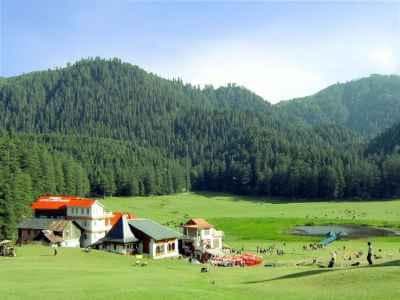
Shahpur sits in Kangra district and works well as a base if you want to explore village life without pushing too far into high-altitude terrain. The area is known for tea estates, views of the Dhauladhar range, small temples, quiet roads, and easy access to Kangra town, Nagrota Surian, and the wider Palampur side. You can keep your days simple: a morning drive, a local meal, an afternoon walk, and a sunset tea stop.
For Indian travellers, the appeal is clear. You get a mountain break without the heavy crowds of the busiest tourist towns. The roads are generally manageable, the distances are short, and you can build a trip around 2-4 days if you are coming from Punjab, Delhi, Chandigarh, or nearby Himachal towns.
How to reach Shahpur and the villages near Kangra
By road
The easiest way to visit this region is by road. From Pathankot, Shahpur is roughly 90-110 km away and usually takes around 2.5-4 hours depending on traffic and road conditions. From Dharamshala, you are typically looking at about 30-40 km and around 1-1.5 hours. From Kangra town, the drive is shorter, often under an hour for many village routes.
If you are self-driving, a hatchback or sedan is usually fine for the main roads, but some village lanes can be narrow and uneven. If you are hiring a taxi, ask in advance whether the driver knows tea garden routes and village stops, because local familiarity saves time.
By train and air
The nearest major railhead is Pathankot, which connects well with North Indian cities. From there, you can hire a taxi or take a bus towards Kangra district. The nearest airport is Kangra Airport at Gaggal, which is useful if you are flying in from Delhi or another connecting city. Travel from the airport to Shahpur or the Kangra-side villages usually takes under 1.5 hours, again depending on the exact stop and road conditions.
By bus
State and private buses run through the region, especially on the main Kangra and Dharamshala corridor. Buses are a budget-friendly option, though they are less convenient if you plan to visit multiple villages in a single day. For a relaxed itinerary, a cab for at least one day is worth it.
Best time to visit and what the weather feels like
The most comfortable months are usually March to June and September to November. In spring, the hills are green, days are pleasant, and village walks are easy. In autumn, the air is clear, the views are sharper, and the weather is good for long drives.
July and August bring monsoon showers, which make the landscape lush but can also cause slippery roads and occasional delays. If you travel then, keep buffer time in your plan and avoid late-evening hill drives. December to February can be cold, especially in the mornings and evenings, though heavy snow is less of a concern in lower village areas than in higher Himachal zones. Still, it is wise to check local weather updates before you leave.
| Season | What to expect | Best for |
|---|---|---|
| March-June | Mild weather, clear roads, green views | Village walks, family trips, first-time visitors |
| July-August | Monsoon rain, slippery stretches, lush hills | Photographers, slow travellers |
| September-November | Crisp air, excellent visibility | Scenic drives, temple visits, relaxed stays |
| December-February | Cold mornings, chilly nights | Quiet breaks, cosy homestays |
Villages and stops worth including in your route
Shahpur and nearby tea belt
Shahpur is a practical base because it connects easily to Kangra’s tea-growing areas and to routes leading towards Palampur. The villages around here often have neat fields, roadside dhabas, and slower traffic, which makes them suitable for day drives. If you enjoy photography, plan your visits for early morning or late afternoon when the light is softer and the hills look cleaner.
Kangra town and the surrounding villages
Kangra town itself is useful for supplies, meals, and temple visits. The villages around it give you a feel for everyday Himachali life: small homes, terraced fields, cowsheds, village shops, and narrow lanes where people still rely on hand carts and short local rides. You will find that many of the best experiences here are not grand attractions but ordinary moments that feel refreshing after a city routine.
Tea garden roads near Palampur side
If your schedule allows, add a short detour towards the Palampur belt. The tea estates in this wider region are among the most pleasant parts of Kangra district for travellers who like open views and calm drives. A tea garden walk, a cup of local tea, and a simple lunch can easily fill half a day without making the trip feel rushed.
Temple and heritage stops
Kangra district has an old temple culture, and you can pair village drives with stops at important shrines and heritage sites in the wider area. The exact route depends on where you are staying, but this region rewards a mix of nature and local history. Keep your footwear comfortable, dress modestly for temple visits, and be prepared for short walks and steps.
What a 2-day or 3-day itinerary can look like
2-day plan
- Day 1: Reach Shahpur by afternoon, settle into your stay, and take an easy drive through nearby villages and tea stretches.
- Day 2: Visit Kangra town, add one temple stop, have lunch at a local dhaba, and head back by evening.
3-day plan
- Day 1: Arrival, homestay check-in, and a short evening walk in the village.
- Day 2: Explore Shahpur-side roads, tea estates, and one or two village clusters.
- Day 3: Move towards Kangra town or Palampur side, visit a temple or heritage stop, then return.
If you are travelling with parents or young children, this region is especially manageable because you can avoid long uphill hikes. If you are travelling as a couple or with friends, the calm pace gives you more space to enjoy conversations, local food, and scenic drives.
Where to stay and what kind of budget to expect
Homestays are often the best choice here. They give you a more personal experience, home-style food, and a chance to speak with hosts who know the area well. You will also find budget guesthouses and a few mid-range stays in the wider Kangra and Palampur corridor.
As a realistic guide, expect ?1,200-?2,500 per night for simple homestays, ?2,500-?4,000 per night for comfortable mid-range stays, and higher rates during peak holiday periods or for rooms with better views and meal plans. If you are booking around long weekends, confirm the latest prices in advance because rates can change quickly.
For a 2-3 day trip, a comfortable budget for one traveller could be around ?6,000-?15,000 excluding long-distance travel, depending on your stay, taxi use, and dining choices. A family trip with a hired cab will naturally cost more.
What to eat in Shahpur and Kangra villages
The food here is uncomplicated and satisfying. Look for siddu, madra, simple dal-chawal plates, rajma, seasonal vegetables, and fresh tea. In village stays, breakfast is often basic but hearty, and lunch may be built around local vegetables, curd, and roti. You may also find small dhabas serving parathas, maggi, pakoras, and tea, which are handy for short drives.
If you are interested in trying local flavours, ask your host what is freshly cooked that day instead of expecting a fixed restaurant-style menu. That usually gives you better food and a more authentic experience. Keep cash handy because smaller places may not always accept digital payments reliably, especially in weaker-network pockets.
Practical tips before you go
- Carry a light jacket even in summer, because mornings and evenings can feel cool.
- Keep enough cash for small shops, local transport, and tea stops.
- Start your drives early to avoid rushing on narrow roads.
- Confirm homestay check-in times, meal availability, and parking in advance.
- If you are visiting in monsoon, allow extra travel time and avoid night driving where possible.
- Respect village spaces: ask before entering private land or photographing people closely.
Mobile networks are usually usable in many parts of the region, but do not assume strong data everywhere. If you need to work remotely, ask your stay provider about Wi-Fi speed before booking. For a leisure trip, though, the slower network can be a relief.
Frequently Asked Questions
Is Shahpur a good base for exploring Kangra villages?
Yes, Shahpur works well as a base if you want easy access to village roads, tea stretches, and the wider Kangra district. It is convenient for short drives and keeps you close to both local life and main connecting roads. If you want a very quiet stay, a nearby homestay in a village may suit you even better.
How many days are enough for this trip?
Two days are enough for a quick introduction, especially if you are combining Shahpur with one or two nearby villages and a Kangra town stop. Three days is better if you want a slower pace and time for tea gardens, temple visits, and a relaxed meal schedule. If you are coming from far away, 3-4 days feels more comfortable.
Is this region suitable for family travel?
Yes, it is suitable for families because the drives are short and the sightseeing can be kept gentle. Older travellers and children usually manage this route well if you avoid overpacking the day. A homestay with home-cooked meals can make the trip especially easy.
What should I pack for Shahpur and Kangra villages?
Pack light woollens, comfortable walking shoes, basic medicines, sunscreen, and an umbrella if you are travelling during monsoon. If you plan temple visits, carry modest clothing that covers shoulders and knees. A power bank is also useful if you spend long hours on the road.
Can I combine this trip with Dharamshala or Palampur?
Yes, both are easy additions depending on how much time you have. Dharamshala is a practical extension if you want a more tourist-friendly hill-town experience, while Palampur works well if you want tea gardens and quieter roads. A mixed itinerary gives you a good balance of nature, culture, and convenience.
Are permits needed for these village areas?
For the standard Shahpur and Kangra village routes, permits are usually not required. However, travel rules can change for certain protected or border-adjacent areas, so it is sensible to confirm before you book if you plan a wider circuit. Always check the latest local information, especially during peak season or adverse weather.
Conclusion
Himachal Shahpur and Kangra Villages are ideal if you want a trip that feels calm, local, and easy to manage. With short drives, tea-garden scenery, village food, and flexible day plans, this part of Himachal lets you slow down without sacrificing comfort. Check current road, weather, and stay details before booking, and you will have a smooth, rewarding mountain break.
If you found this guide useful, share this post with someone planning a peaceful Himachal getaway.
Planning a Himachal trip?
Tell us your dates and who is travelling. Up to three local travel companies send you their itinerary and price.
Get free quotesDisclaimer: The information in this blog is for general information only. We try to keep it accurate and up to date, but TravelSetu accepts no liability for errors or omissions. If you believe any part of it infringes your rights, please write to info@travelsetu.com.