If you are planning a quieter, more meaningful trip to Himachal Pradesh, this article will help you understand the state’s sacred grove network and how to experience it respectfully. These forest patches, locally protected by village communities and linked to temples, deities and old beliefs, give you a different way to travel through Himachal: slower, more rooted, and far less crowded than the usual hill-station circuit.
For Indian travellers, especially those who enjoy culture, short treks, village stays and nature walks, Himachal’s sacred groves offer a rewarding mix of ecology and tradition. You will learn where to look for them, when to go, what to expect on the ground, and how to plan a practical trip without disturbing the local way of life.
What the Himachal sacred grove network really means
In Himachal Pradesh, sacred groves are community-protected patches of forest linked to local deities, village customs and age-old rules. People do not treat these spaces as regular picnic spots or commercial forests. In many villages, cutting trees, grazing animals, or even taking a stone, flower or branch from the grove may be restricted by tradition.
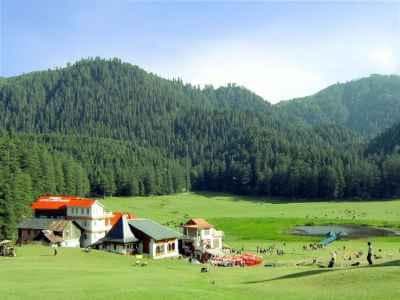
The term “network” matters because these groves are not isolated. They are spread across districts such as Kullu, Mandi, Kangra, Shimla, Chamba, Kinnaur and Lahaul-Spiti, often forming a cultural corridor around villages, temples, old trails and catchment forests. Some are tiny temple groves, while others blend into larger deodar, oak and pine forests that support springs, birds and village water sources.
Why they matter to travellers
For you as a traveller, the appeal is not only spiritual. Sacred groves often preserve older forest patches that survive because local communities continue to protect them. That means cooler shade, cleaner air, birdlife, seasonal wildflowers and a strong sense of local identity. They also give you a more grounded way to understand Himachal beyond Manali, Shimla and Dharamshala.
Best districts in Himachal to explore sacred groves
Himachal does not have one single “sacred grove trail” with ticket counters and signboards. Instead, the experience is village-based. Some districts have more visible examples because of their strong temple traditions and forested landscapes.
| District | What you can expect | Best for |
|---|---|---|
| Kullu | Temple-linked forest patches, village deity traditions, cedar and oak surroundings | Culture-focused road trips, village walks |
| Mandi | Many local deity shrines, forested hillsides, older village customs | Slow travel and heritage routes |
| Kangra | Sacred landscapes around hill temples and rural settlements | Combining temples, tea gardens and countryside drives |
| Shimla | Village forests, deodar belts, community-protected slopes | Weekend breaks from Shimla city or nearby towns |
| Chamba | Older temple culture, remote village forests, highland scenery | Travellers looking for less commercialised regions |
| Kinnaur | Village deities, high-altitude sacred spaces, apple belt landscapes | Scenic drives and culturally rich circuits |
If you want one simple approach, choose a base in Kullu, Mandi or Kangra and plan day drives into villages where local guides or homestay hosts can introduce you to nearby sacred groves. This is usually more practical than trying to identify them on your own from a map.
How to plan a respectful visit
Because these are living cultural spaces, your behaviour matters as much as your itinerary. Before going, ask your homestay host, driver or a local guide whether visitors are allowed in the grove and whether there are any village-specific rules. Some groves are open for respectful viewing; others may be part of a ritual zone where photography, entry or certain dress is discouraged.
Basic etiquette to follow
- Do not pluck leaves, flowers or branches.
- Keep noise low, especially near temples and village paths.
- Ask before taking photos of shrines, people or ritual objects.
- Do not eat, drink or litter inside protected forest areas.
- Wear comfortable shoes, but keep your clothes modest and practical.
- If locals offer prasad or tea, accept politely if you wish; if not, decline gently.
It is also wise to avoid visiting during active ceremonies unless you are specifically invited. Sacred groves are not arranged for entertainment, and a little sensitivity goes a long way.
When to go for the best experience
The most comfortable months for exploring Himachal’s sacred grove routes are March to June and September to early November. During these periods, roads are usually more manageable, village walks are pleasant, and the forests look alive without the difficulties of heavy monsoon rain or peak winter snow.
April and May are especially good if you want green slopes, clear weather and longer daylight hours. September and October are excellent for post-monsoon freshness and mountain views. In winter, some higher villages may be inaccessible or quiet due to snowfall, while July and August can bring landslides and slippery trails in several parts of the state.
If your main interest is local rituals or village festivals, check dates carefully. Many sacred spaces become especially active during temple fairs, harvest festivals or deity processions, but timings vary by village and year. Confirm locally before planning around them.
How to get there and move around
Most sacred grove visits in Himachal are best done by road, usually as part of a district-level circuit. The nearest airport is often Chandigarh for many travellers, with onward road travel into Himachal. You may also reach through Shimla, Pathankot or Kullu depending on your route. Road conditions change with season, so keep buffer time in your plan.
From Delhi, popular starting points are Shimla, Manali, Dharamshala and Mandi. A road trip to Mandi or Shimla can take roughly 7-11 hours depending on traffic and weather. From Chandigarh, you can often reach the lower Himalayan districts in about 4-7 hours by road. In hill areas, a short distance can still take a long time, so do not plan too tightly.
For village-level grove access, self-drive cars, hired taxis and local buses are all possible. However, if you are visiting multiple villages, hiring a local taxi for the day often works best. Expect local taxi costs to vary by route and season, but a day outing can commonly fall around ?3,000-?6,000 for a small vehicle, sometimes more for remote or long-distance circuits. Confirm rates in advance.
Suggested 3-day sacred grove circuit in Himachal
If you want a short, realistic trip, use this style of itinerary rather than chasing too many points in one go.
- Day 1: Reach Kullu or Mandi, check into a homestay, and do an evening village walk with a local host.
- Day 2: Visit one or two nearby sacred groves, a local temple, and a village market or water spring. Keep the day light and unhurried.
- Day 3: Add a second district or a heritage village route, then return after lunch or stay an extra night if the road is long.
This kind of itinerary is better than trying to cover too many sacred sites in one sweep. These places are meaningful because of their context: the village, the trees, the deity tradition, the people and the surrounding landscape.
Where to stay and what it may cost
For a grove-focused trip, homestays and small guesthouses are the best fit. They put you close to the villages and give you access to local knowledge that a standard hotel may not provide. In Kullu, Mandi, Kangra, Shimla district villages and parts of Chamba, homestays often arrange simple meals and local guidance.
Indicative prices are usually around ?1,200-?2,500 per night for basic homestays, ?2,500-?4,500 for comfortable mid-range stays, and higher for boutique properties or popular tourist belts. If you need meals, budget around ?300-?700 per person per meal in many small stays, though remote or premium places may differ. Always confirm what is included.
Pack for short walks, not just sightseeing. A light rain jacket, warm layer, water bottle, sunscreen, torch and a basic first-aid kit can make a big difference, especially if you are moving between shaded forest patches and open roads.
Responsible travel tips for sacred forest spaces
Because these groves are protected partly through belief and partly through community discipline, the way you travel affects the experience for everyone after you. Choose local drivers and homestays where possible. Ask about village customs instead of assuming. If a grove has a deity association, treat it like you would a temple space, not like a park trail.
You should also keep your group small. Large noisy groups can unsettle residents and reduce the sense of sanctity. If you are travelling with children, brief them beforehand so they understand that this is not a place for running, shouting or collecting things.
Finally, do not expect every grove to look dramatic or heavily marked. Some are subtle, with old trees, stones, prayer flags or simple shrines. Their power lies in the continuity of use, not in spectacle.
Frequently Asked Questions
Are sacred groves in Himachal open to all visitors?
Not always. Some groves allow respectful public access, while others are restricted to villagers or certain ritual occasions. It is best to ask a local host, guide or temple caretaker before entering. If the answer is no, respect it without pushing for permission.
Do I need a permit to visit sacred groves in Himachal?
Usually, there is no separate state permit for a typical village grove visit. However, access may depend on local rules, temple customs, forest location or community decisions. If your route passes through protected forest or border areas, confirm the latest requirements locally before travel.
Which months are safest for road travel in Himachal?
March to June and September to November are generally the most reliable periods for hill travel. Monsoon months can bring landslides and delays, while winter may create snow-related closures in higher areas. Conditions can change quickly, so check road status right before departure.
Can I combine sacred grove visits with regular sightseeing?
Yes, and that is often the best way to plan. You can combine grove visits with temples, village markets, heritage towns, tea gardens, riverside walks or scenic drives. Just avoid overpacking the day so you still have time to interact with locals and move at a sensible pace.
What should I wear for a sacred grove visit?
Choose comfortable, modest clothing that suits a hill walk. Full-length trousers or travel pants, a light jacket, and walking shoes are usually practical. If you are entering a temple-linked space, avoid overly flashy outfits and keep your behaviour calm and respectful.
Are sacred grove trips suitable for families and older travellers?
Yes, if you keep the walking distance short and choose accessible villages. Many grove visits can be done as gentle stops rather than long hikes. Ask your host to suggest easy routes, and plan for rest breaks, tea stops and flexible timing.
Conclusion
Himachal’s sacred grove network gives you a quieter, more thoughtful way to travel through the state. Instead of rushing from one famous viewpoint to another, you get to see how forests, faith and village life have protected each other for generations.
If you plan it well, with local guidance and respect, this kind of trip can be one of the most memorable ways to experience Himachal.
Please share this post with fellow travellers who would enjoy a more rooted and responsible Himachal journey.
Planning a Himachal trip?
Tell us your dates and who is travelling. Up to three local travel companies send you their itinerary and price.
Get free quotesDisclaimer: The information in this blog is for general information only. We try to keep it accurate and up to date, but TravelSetu accepts no liability for errors or omissions. If you believe any part of it infringes your rights, please write to info@travelsetu.com.