If you are planning a slower Himachal trip and want more than the usual mall-road circuit, Ribba and the villages of Kinnaur deserve a place on your itinerary. This guide is for Indian travellers who want practical help on when to go, how to reach, where to stay, what to eat, and how to explore Kinnaur’s village life without rushing through it.
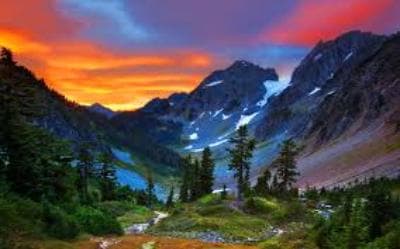
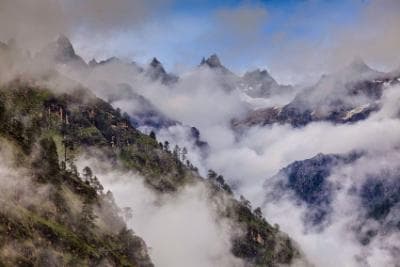
Kinnaur is one of those districts where the journey matters as much as the destination. From apple orchards and cedar forests to mud-brick homes, monastery stops, and the changing colours of the Sutlej valley, you come here to travel at a gentler pace. Ribba, along with nearby Kinnaur villages, gives you that experience in a very real, grounded way.
Why Ribba and Kinnaur villages are worth your time
Ribba is a quiet village in Kinnaur that appeals to travellers looking for authenticity rather than a packed sightseeing list. This part of Himachal is known for its village culture, traditional Kinnauri architecture, terraced fields, and local food habits that still feel rooted in daily life. You will not find loud tourist streets here; instead, you will find small settlements, long valley views, and an easy rhythm that suits slow travel.
The wider Kinnaur region, especially around Recong Peo, Kalpa, Sangla, Chitkul, Pooh, and Nako, offers a mix of scenic drives and cultural stops. Ribba works well as a quieter base or detour if you want to go beyond the better-known names. For many travellers, the charm lies in noticing small details: women carrying harvest produce, wooden balconies, stacked apple boxes, prayer flags, and the way villages are built to handle harsh winters.
Where Ribba is and how to reach it
Ribba is in Kinnaur district in Himachal Pradesh, in the broad mountain corridor that runs along the Sutlej river. The most common route is via Shimla and Rampur toward Recong Peo, then onward to nearby village clusters depending on your final stop. From Shimla, the drive to central Kinnaur usually takes around 8-11 hours, depending on road conditions and halts. In mountain travel, the real answer is always “longer than the map suggests.”
If you are using public transport, regular buses run from Shimla and other major towns toward Recong Peo, Kalpa, and Sangla-side routes, though schedules can change with weather and road work. Shared taxis are also common in Kinnaur, especially for hopping between villages. If you are self-driving, start early from Shimla and keep day one flexible, because landslides, fog, and road repairs can affect timing, especially during monsoon and winter.
For most travellers, the best approach is to reach Rekong Peo first and then move toward your village stay. This keeps the journey manageable and lets you adjust according to road updates. Confirm local transport availability before you leave, particularly if you are travelling after sunset.
Best time to visit Ribba and Kinnaur villages
Kinnaur changes character with the seasons. The most comfortable months are usually April to June and September to November. In spring and early summer, the weather is pleasant, the roads are more predictable, and the valleys look fresh with blooming orchards and clear skies. Autumn is equally rewarding, with crisp air and golden tones across the hills.
July to August brings monsoon-related risks. Rain can trigger landslides and make road travel slow or uncertain, so only travel then if you are comfortable with last-minute changes. December to February can be beautiful but cold, with snow possible in higher areas and occasional road disruptions. If your priority is easy village exploration, aim for late April to June or mid-September to early November.
| Season | What to expect | Best for |
|---|---|---|
| April-June | Clear roads, pleasant weather, orchard views | Comfortable sightseeing and village walks |
| July-August | Rain, landslide risk, travel delays | Only for flexible travellers |
| September-November | Dry air, sharp views, harvest season | Photography and village stays |
| December-February | Cold, possible snow, limited movement | Winter scenery and quiet stays |
What to see around Ribba and nearby villages
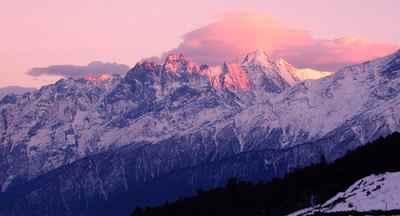
Ribba itself is best enjoyed slowly, but the surrounding Kinnaur villages add depth to your trip. If you have 2-4 days, you can combine village time with a few scenic and cultural stops. Kalpa is known for its views of the Kinner Kailash range, while Rekong Peo serves as the district hub for food, permits, and logistics. Sangla valley gives you a greener, wider landscape, and Chitkul is often chosen by travellers who want to go as far as the road allows in a scenic valley setting.
Closer to village life, look for traditional Kinnauri homes with timber-and-stone construction, local temples, and terraced farms. The appeal is less about monument-hopping and more about observing how people live in the mountains. If you are interested in local customs, ask respectfully before entering courtyards or photographing homes. Small gestures matter a great deal in villages.
Depending on your route, you may also come across monastery stops, apple orchards, and roadside markets selling local produce. In late summer and autumn, you will often see apples packed for transport, which is a good reminder that Kinnaur is not only a tourist destination but also an agricultural district that supports livelihoods through horticulture.
How many days you need and a practical itinerary
For Ribba and nearby Kinnaur villages, plan at least 3 nights and 4 days. That gives you enough time to absorb the landscape without turning the trip into a sprint. If you only have a weekend, you will spend too much time on the road and too little in the villages.
Suggested 4-day plan
- Day 1: Drive from Shimla to Rekong Peo or Kalpa; overnight stay.
- Day 2: Explore Ribba and nearby village areas; walk through orchards and local lanes.
- Day 3: Visit another Kinnaur village such as Sangla-side or a nearby settlement depending on road access; enjoy a slow afternoon.
- Day 4: Return toward Shimla or continue deeper into Kinnaur if your schedule allows.
If you have 5-6 days, you can split the trip into two parts: one for lower Kinnaur and one for the Sangla-Chitkul side. That helps reduce driving fatigue and gives you a more balanced experience. Many travellers underestimate mountain road time, so keep one buffer half-day in reserve.
Where to stay in and around Kinnaur villages
Accommodation in Kinnaur ranges from homestays and guesthouses to a few small hotels in larger centres like Rekong Peo and Kalpa. In villages, homestays are often the best option because they give you local meals, better insight into daily life, and direct support to families in the region. Expect basic but comfortable rooms rather than luxury-style setups.
Indicative prices are usually around ?1,200-?2,500 per night for homestays and ?2,500-?4,500 per night for simple hotels, though rates vary sharply by season and property quality. In peak autumn and holiday periods, prices can rise. Book early if you are travelling in October, around long weekends, or during local festival periods. Confirm heating, hot water, and backup power if you are visiting in colder months.
If you prefer convenience, stay in Kalpa or Rekong Peo and make day trips to Ribba and nearby villages. If your priority is calm and village ambience, ask for a homestay in the village area itself. Just keep in mind that remote stays may have limited mobile network and fewer restaurant options.
What to eat in Kinnaur
Kinnaur food is simple, filling, and suited to the mountain climate. At homestays, you may get dishes made from local grains, seasonal vegetables, lentils, and traditional preparations that vary from home to home. Ask for local meals rather than sticking only to standard North Indian fare. That is often where the trip becomes memorable.
Tea is an everyday comfort in the hills, and you will likely find yourself drinking more of it than usual. If you eat meat, many local kitchens can prepare non-vegetarian meals, but availability depends on the household or eatery. Carry some snacks like dry fruits, energy bars, and biscuits for road stretches because eating options can be sparse between towns.
Travel tips for a smooth trip
Mountain travel rewards preparation. Keep your schedule flexible and avoid planning too many village hops in one day. Roads can be narrow, and travel time can stretch unexpectedly due to traffic, landslides, or road repairs. Start early, especially if you are crossing long stretches between Shimla, Rampur, Reckong Peo, and further into Kinnaur.
Useful practical points:
- Carry cash, because UPI or mobile data may not work reliably in every village.
- Keep woollens even in summer; evenings can feel much cooler than expected.
- Check the condition of your vehicle brakes and tyres if self-driving.
- Ask your host about road updates before leaving for the next village.
- Respect local customs, especially near homes, temples, and fields.
If you plan to visit higher or sensitive border-adjacent areas, confirm the latest entry and permit-related rules with local authorities or your host before travel. Rules can change, and it is better to verify than assume.
Frequently Asked Questions
Is Ribba easy to visit on a short Himachal trip?
Ribba is easiest to include if you already have 3-5 days for Kinnaur. A very short trip usually feels rushed because the drive from Shimla and nearby access roads take time. If you want to enjoy the village atmosphere properly, give yourself at least one overnight stop in the Kinnaur region.
Is Ribba better as a base or a stopover?
That depends on your travel style. If you want a slow, village-focused stay, Ribba can work well as part of a homestay plan. If you prefer more eating and transport options, stay in Rekong Peo or Kalpa and visit Ribba as a day excursion or a quieter stop on a wider circuit.
What is the road condition like in Kinnaur?
Road conditions are generally manageable in good weather, but they can change quickly because of rain, snow, and mountain traffic. The approach from Shimla is long and winding, so plan extra time. Always check local updates before leaving, especially during monsoon or winter.
Can families travel to Kinnaur villages?
Yes, families can travel here comfortably if they are prepared for mountain driving and basic stays in some areas. Children and older travellers may need extra breaks, so avoid overpacking your itinerary. Choose a good homestay or hotel with heating and reliable hot water if you are travelling in colder months.
How much should I budget for a Kinnaur village trip?
For a mid-range trip, budget roughly ?4,000-?8,000 per person per day if you include accommodation, meals, and local transport, though costs may be lower or higher depending on your style of travel. Self-driving can reduce some expenses, while peak-season stays may raise them. Add a buffer for fuel, snacks, and unexpected delays.
Is mobile network available in Ribba and nearby villages?
Network coverage can be patchy, and internet speeds may be inconsistent. You may get better connectivity in larger centres like Rekong Peo and parts of Kalpa than in smaller villages. Download maps, share your travel plan in advance, and keep important documents offline as backups.
Ribba and the villages of Kinnaur are ideal for travellers who want a calmer Himachal experience with real mountain character. If you give the region enough time, travel with flexibility, and stay respectfully in local homes, you will come back with more than photos; you will come back with a better sense of how people live in this part of the Himalayas.
If this guide helped you plan your Kinnaur trip, share the post with someone who loves slow mountain travel.
Planning a Himachal trip?
Tell us your dates and who is travelling. Up to three local travel companies send you their itinerary and price.
Get free quotesDisclaimer: The information in this blog is for general information only. We try to keep it accurate and up to date, but TravelSetu accepts no liability for errors or omissions. If you believe any part of it infringes your rights, please write to info@travelsetu.com.