If you are planning a slower Himachal trip and want more than just monasteries, cafés and viewpoints, village threshing grounds can tell you a lot about how mountain life actually works. This guide is for travellers who want to understand these open community spaces, visit them respectfully, and combine them with an easy rural itinerary across Himachal Pradesh.
What Threshing Grounds Mean in Himachal Villages
In many Himachal villages, the threshing ground is the flat, open space where grain is traditionally separated from stalks after harvest. You may hear local words like khaliyan or simply see a level patch of earth or stone at the edge of the village, often close to homes, barns and terraced fields. These spaces are practical first, but they also become social centres during harvest season, when families gather, talk, work and share food.
For a visitor, a threshing ground is less a “sight” and more a window into daily mountain life. You may see wheat, barley or maize spread out in the sun, wooden tools stacked nearby, and villagers moving steadily through the rhythm of the season. In higher-altitude districts, the scene changes with the crop calendar, so what you see in Kangra in May will feel different from what you see in Lahaul or Kinnaur later in the year.
Why These Spaces Matter to Himachal Travel
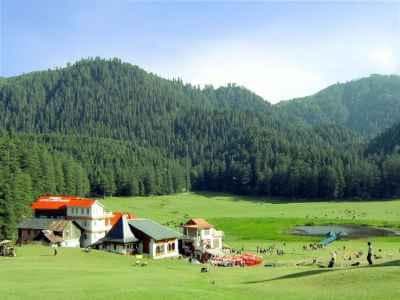
Most travellers pass through Himachal seeing roads, temples and homestays, but village threshing grounds help you understand how the landscape is used. The terrace fields, the stone lanes, the cattle sheds and the shared open spaces all work together. If you enjoy slow travel, local food, photography or rural architecture, these grounds are one of the most authentic places to notice the mountain economy in action.
They also show how communities adapted to steep slopes and short growing seasons. A flat, open threshing area is not accidental; it is planned carefully so grain can dry, be turned, and later stored safely. In many villages, the same area may also be used for community meetings, festivals, children's play and seasonal gatherings when farming is not in progress.
Best Places in Himachal to Notice Village Threshing Grounds
You do not need to chase a single famous threshing ground. Instead, the experience works best when you travel through agricultural belts and stay in villages rather than only towns. Here are some parts of Himachal where you are more likely to notice them clearly.
Kangra Valley Villages
Villages around Palampur, Baijnath, Bhattu, and the smaller settlements between Palampur and Bir are good for observing traditional farming life. The valley has gentler terrain than the higher Himalayan districts, so village layouts are easier to walk around. Post-harvest periods after wheat and maize seasons often reveal bright, open threshing spaces near homes and fields.
Kullu District
In the Kullu Valley, especially around Naggar, Jana, Larenkelo, Raison and smaller interior villages, you may find open community spaces used for grain processing and drying. The architecture here often pairs slate roofs and wooden upper stories with flat working areas nearby. If you are staying in a homestay, ask the host about the village's harvest cycle; many families still keep very local agricultural routines.
Mandi and Seraj Belt
Mandi district offers a more rooted farming landscape, especially in side valleys and villages beyond the main highway towns. In the Seraj region and around smaller roads leading off from Mandi town, threshing grounds may appear as broad, slightly raised open spaces close to terraced fields. This is a good area if you want to combine rural walks with village temples and quieter homestays.
Chamba and Tissa Side Valleys
Chamba district has many traditional villages where agriculture still shapes the rhythm of the day. In side valleys around Tissa, Bharmour routes and the lower reaches of Churah, you may see grain drying areas used after harvest. The scenery is dramatic, but the real value here is the way village life remains closely tied to the fields.
Kinnaur and Upper Himalayan Settlements
In Kinnaur, the agricultural season is shorter and shaped by altitude, so the timing of threshing varies sharply by village. Around Kalpa, Sangla, Rakchham and the smaller villages in these valleys, you may spot compact community spaces for drying and processing grains and local produce. The terrain is different from lower Himachal, so the open areas are often smaller and more tightly integrated into village clusters.
Spiti Villages
In Spiti, the concept of shared working ground is still visible, though the landscape and crops are different from the lower valleys. Villages such as Langza, Kibber, Kaza-side settlements and Demul have open spaces used for handling barley and other local produce during the short summer season. Because weather is harsher and the growing window shorter, timing matters more here than almost anywhere else in Himachal.
When to Visit for the Best Village Scenes
The most rewarding time to notice threshing activity is usually during and just after harvest, which often falls in late spring to early summer for wheat in lower Himachal, and later in higher-altitude regions. Broadly, April to June can be excellent in Kangra, Mandi and lower Kullu, while July to September may bring a different farming rhythm in upland areas depending on rainfall and crop type. In places like Kinnaur and Spiti, the calendar shifts further because of altitude and weather, so always ask locally.
For photography and walking, mornings are often best. The light is softer, people are active, and you are less likely to interrupt the day's work. Even if there is no active threshing on the day you visit, you can still see the layout, the tools and the relationship between village homes and fields.
| Region in Himachal | What you may see | Best general time | Approximate travel style |
|---|---|---|---|
| Kangra Valley | Open drying areas near wheat and maize fields | April to June | Easy road trip from Palampur or Baijnath |
| Kullu Valley | Village khaliyan, wooden houses, terrace farming | May to July | Stay in a village homestay near Naggar or Raison |
| Mandi and Seraj | Terraced agriculture with shared working spaces | Late spring to monsoon edge | Best explored by car with short village walks |
| Kinnaur | Compact high-altitude farming areas | Summer months | Longer road journeys, slower travel days |
| Spiti | Seasonal working spaces for barley and storage | June to September | Plan around acclimatisation and road conditions |
How to Visit Respectfully
These are working community spaces, not staged attractions. If people are threshing grain, drying crops or loading produce, keep your distance unless invited closer. A brief greeting in Hindi or a smile goes a long way, and if someone offers to explain the process, listen first and photograph later.
- Do not walk through spread grain or drying crops.
- Ask before taking close photos of people, especially women and elders.
- Wear shoes suitable for uneven, dusty or muddy village paths.
- Avoid loud music, drone use and unnecessary crowding.
- If you buy local food or stay in a homestay, you are already supporting the village economy.
A small phrase like “Namaste, kya main dekh sakta hoon?” is usually appreciated. In many villages, hospitality is warm, but it should never be assumed. A respectful visitor will be remembered far better than a pushy one.
How to Reach Rural Himachal Villages
Most threshing grounds are reached as part of a village stay or a short detour from a larger town. From Delhi, most travellers first reach Himachal by road or overnight bus to towns like Dharamshala, Manali, Mandi, Shimla or Reckong Peo, then continue by taxi or local bus. Distances vary widely, but as a rough idea, Delhi to Palampur is around 500 km and Delhi to Manali is around 530 km by road, depending on route and traffic.
Once in the district, the final approach is often on narrow roads or walking paths. A 2-6 km village walk is common, and in higher areas the last stretch may be steeper than expected. If you are travelling in the monsoon or early spring, confirm road conditions and local bus timings before setting out, since landslides and weather-related delays are common in Himachal.
Where to Stay and What It May Cost
For this kind of trip, homestays and small guesthouses work better than hotels in the main town. In Kangra, Kullu and Mandi district villages, homestays may cost roughly ?1,200-?3,500 per night for a simple room with meals available separately or included in the package. In more remote or seasonal areas such as Kinnaur and Spiti, prices can be higher, often around ?2,000-?5,000 per night depending on location, heating and meal arrangements.
If you prefer more comfort, stay in a town like Palampur, Dharamshala, Manali, Mandi or Kalpa and do day trips to nearby villages. That said, one night in a village homestay often gives you a far better sense of the threshing ground, the morning routine and the local harvest schedule.
Food, Local Life and What to Look Out For
Village visits in Himachal become richer when you pay attention to food. In many places, meals may include siddu, rajma, madra, rice, seasonal greens, maize-based dishes, buckwheat rotis or simple dal-chawal prepared for field work. During harvest periods, you may see people taking tea, roasted grains or quick home-cooked meals to the threshing area.
If you are staying overnight, ask what the village is growing at the moment. Wheat, maize, barley, rajma and apples all create different seasonal rhythms. In some villages, the same open ground used for threshing may also be used for drying apples or other produce later in the year, so the function can change with the month.
A Simple 3-Day Rural Himachal Plan
- Day 1: Arrive in Palampur, Naggar or Mandi, then check into a village homestay nearby. Spend the evening walking through the settlement and noting the open working spaces.
- Day 2: Join a short morning village walk, visit terrace fields and ask about the harvest calendar. Keep the afternoon light with a temple stop, tea break or local market visit.
- Day 3: Drive to another nearby village or district belt such as Baijnath, Jana, Seraj or a Kullu-side hamlet before returning to your base town.
This kind of plan works well for a weekend from Chandigarh or a longer break from Delhi. It is slower than a sightseeing circuit, but you will remember it much more clearly.
Frequently Asked Questions
Are threshing grounds open to tourists in Himachal?
Yes, in the sense that many are visible in and around villages, but they are not formal tourist sites. You should visit only with respect for local work and privacy. If you are staying in a homestay, your host can usually tell you where it is appropriate to walk.
Can I photograph villagers at the threshing ground?
You can, but only after asking permission, especially for close portraits. Some people are happy to be photographed if you are polite and brief, while others will prefer not to be photographed at all. A respectful approach matters more than the camera.
What is the best district in Himachal for rural farming scenes?
Kangra and Kullu are among the easiest for first-time visitors because they are accessible and have many village stays. Mandi and Chamba offer a quieter, more traditional feel, while Kinnaur and Spiti give you a high-altitude version of the same agricultural logic. Your best choice depends on how much travel time you have.
How much time should I keep for this kind of trip?
At least 2-3 days is ideal if you want to see a village properly rather than just passing through. A single day trip can work near Palampur, Naggar or Mandi, but an overnight stay gives you morning activity, better light and more chances to talk to locals. If you are going to Kinnaur or Spiti, plan longer because road travel itself takes significant time.
Is this experience suitable for family travel?
Yes, especially if your family enjoys quiet travel, village food and short walks. Children often find the agricultural tools, animals and open spaces interesting. Just make sure the stay is comfortable, the walking is manageable and the family is prepared for basic rural conditions.
Do I need a guide to visit village threshing grounds?
Not always, but a local host or driver can make the trip far more meaningful. They can explain crop cycles, village customs and the right places to stand without disturbing work. In remote areas, a local contact also helps you avoid getting lost on side roads or private paths.
Himachal’s village threshing grounds are simple places, but they reveal a lot about how the state lives, grows and shares across seasons. If you travel with patience and curiosity, you will come back with more than photos; you will come back with a clearer sense of mountain life. If this guide helped you plan a slower Himachal trip, share the post with someone who loves authentic village travel.
Planning a Himachal trip?
Tell us your dates and who is travelling. Up to three local travel companies send you their itinerary and price.
Get free quotesDisclaimer: The information in this blog is for general information only. We try to keep it accurate and up to date, but TravelSetu accepts no liability for errors or omissions. If you believe any part of it infringes your rights, please write to info@travelsetu.com.