If you are planning a slower, more road-trip-friendly Himachal itinerary and want to go beyond Shimla and Manali, Pooh and Upper Kinnaur deserve a place on your list. This guide is for Indian travellers who want practical help on when to go, how to reach, where to stay, what it costs, and how to plan a smooth trip through one of Himachal’s most dramatic mountain corridors.
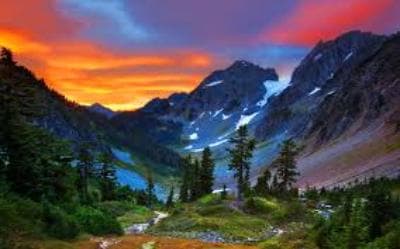
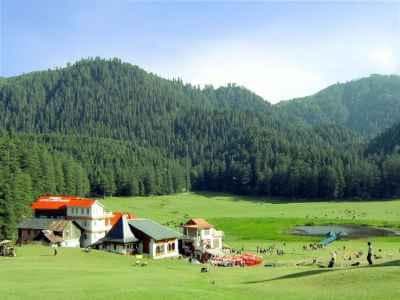
Pooh sits in Upper Kinnaur on the old Hindustan-Tibet road, with the Sutlej carving through deep valleys, villages clinging to slopes, and a landscape that changes quickly from apple orchards to dry, high-altitude terrain. If you are looking for a journey that feels remote but still manageable by road, this region gives you exactly that.
Where Pooh and Upper Kinnaur Fit Into a Himachal Trip
Upper Kinnaur is the higher, drier part of Kinnaur district in Himachal Pradesh, above the greener lower belt around Rampur and Reckong Peo. Pooh is one of the key stops in this stretch, lying on the route toward Tabo, Nako, and eventually Spiti, depending on road conditions and seasonal access.
For many travellers, Pooh works as an overnight halt on the way to Kalpa, Nako, or Spiti Valley. It is not a large tourist town, and that is part of the appeal. You come here for the views, the mountain villages, the sense of distance from crowded circuits, and the chance to experience Kinnauri culture without rushing through it.
Why You Should Consider This Route
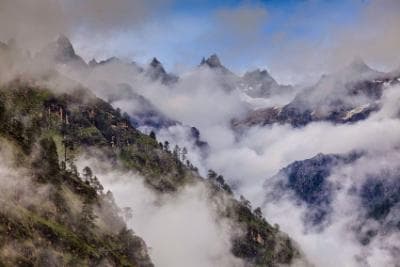
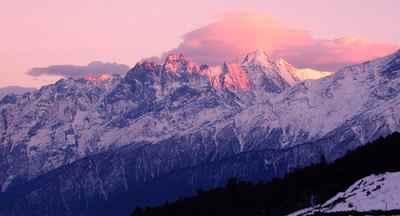
The biggest reason to plan a trip to Pooh and Upper Kinnaur is the road itself. The drive from Shimla to Pooh takes you through changing Himalayan landscapes, from pine slopes and market towns to dry, cliff-edged gorges and open mountain deserts. It is one of those journeys where the route is as memorable as the destination.
Another reason is pace. In Kinnaur, you are not trying to tick off ten attractions in two days. You are more likely to spend time at viewpoints, stop in villages, eat local food, and adjust to altitude at a sensible speed. That makes this region ideal for travellers who prefer fewer places and better experiences.
It also suits repeat Himachal visitors. If you have already done the usual Shimla-Manali circuit, Upper Kinnaur feels more raw, more spacious, and less commercial. You get mountain views, monasteries, apple country, and traditional architecture without the heavy tourist traffic seen elsewhere in the state.
How to Reach Pooh
By road from Shimla
The most common route is Shimla to Pooh via Narkanda, Rampur, Wangtu, Karcham, Reckong Peo, and then onward into Upper Kinnaur. The drive can take around 10-14 hours depending on roadwork, traffic, weather, and how many stops you make. In real terms, this is best done with an overnight halt, most often in Kalpa, Reckong Peo, or Sangla.
Road conditions can vary a lot. In summer and autumn, the drive is usually straightforward for experienced hill drivers, but landslides and slow-moving traffic can still add hours. In monsoon and early spring, check road updates carefully before you leave.
By bus or shared transport
HRTC buses and shared taxis connect Shimla, Reckong Peo, and parts of Upper Kinnaur, though timings can change seasonally. For budget travellers, this is a practical option, especially if you are flexible and not trying to cover too much in one day. If you are heading deeper toward Nako or Spiti, confirm the latest service pattern before setting out.
By private taxi or self-drive
Private taxis give you the most control, especially if you are travelling with family or planning photo stops. A Shimla-Pooh taxi can cost roughly ?12,000-?20,000 or more one way depending on vehicle type and season. If you are self-driving, make sure your vehicle is well-maintained, your brakes are in top condition, and you have enough daylight for mountain roads.
| Common route | Approx. travel time | Best for |
|---|---|---|
| Shimla to Pooh | 10-14 hours | Road trippers, long-haul travellers |
| Reckong Peo to Pooh | 3-5 hours | Shorter Kinnaur itineraries |
| Kalpa to Pooh | 3-4.5 hours | Travellers combining views and transit |
Best Time to Visit Pooh and Upper Kinnaur
The most comfortable months are usually April to June and September to November. In spring and early summer, the weather is pleasant and the roads are generally more reliable. September and October are especially good if you want clear skies, crisp mountain air, and cleaner visibility after the monsoon.
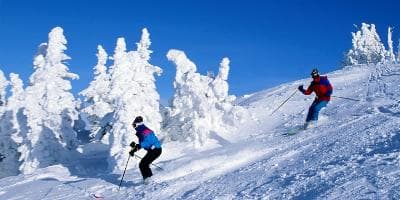
July and August can be tricky because of rain-related road issues in Himachal, even though Upper Kinnaur is drier than many other parts of the state. Winter, especially from December to February, brings cold conditions and the possibility of snow or road disruption at higher points. If you are planning a winter journey, keep buffer days and confirm local access before you book anything non-refundable.
What the climate feels like
In summer, days are pleasant but evenings stay cool. In autumn, the air turns sharper, and you will want warm layers at night. At altitude, the temperature can change quickly after sunset, so pack a jacket even if the afternoon feels warm.
What to See Around Pooh and Upper Kinnaur
Pooh itself is more of a route stop than a sightseeing town, but the wider Upper Kinnaur area has a lot to offer if you are travelling slowly. The appeal lies in scenery, village life, monasteries, river views, and the drive through the valley.
Village views and Kinnauri culture
Spend time in the villages around the route and you will notice the traditional wooden architecture, stone houses, and terraced fields. Kinnauri culture has a distinct identity, and even a short stop can show you how life here is shaped by altitude, season, and the mountain economy.
Monasteries and spiritual stops
Depending on your route, you can combine Pooh with stops at nearby monasteries and older religious sites in Kinnaur and beyond. The region has strong Buddhist influences, especially as you travel closer to the Spiti side, and the atmosphere becomes more contemplative as the landscape opens out.
River valleys and viewpoints
The Sutlej valley dominates much of the journey. There are frequent pull-offs where you can stop for photographs, tea, or simply a break from the road. Try not to rush these moments; mountain travel here is not just about reaching a point on the map.
Suggested Itineraries for Different Travel Styles
3-day quick trip
If you are short on time, you can do Shimla to Kalpa or Reckong Peo on day one, move toward Pooh on day two, and return or continue depending on your larger plan. This version works best if your main aim is a road experience and a taste of Upper Kinnaur rather than deep exploration.
5-day comfortable itinerary
A better plan is 5 days: Shimla to Sangla or Kalpa, then a day around Kinnaur, an overnight halt near Pooh, and a return or onward movement toward Nako/Spiti if roads allow. This gives you enough room for slow driving, meals, and altitude adjustment without feeling pressed.
7-day immersive circuit
With a week, you can combine Shimla, Sarahan, Sangla, Kalpa, Pooh, and possibly Nako or Tabo, depending on road access. This is the most satisfying way to experience Upper Kinnaur because the trip becomes about the whole valley rather than one stop.
Where to Stay and What It Costs
Accommodation in and around Pooh is usually simple, practical, and locally run. You will find guesthouses, homestays, and small hotels in nearby towns and villages rather than large resorts. Expect clean basics, hot meals, and warm hospitality more than polished luxury.
Typical stay costs can range from ?1,200-?2,500 per night for homestays and simple guesthouses, while better-equipped rooms or hotel stays in nearby hubs may run from ?2,500-?5,000 per night. Prices rise in peak season, during holidays, and when road access is uncertain. Confirm current rates and whether meals are included before booking.
If you want more choice, stay in Kalpa, Reckong Peo, or Sangla and use Pooh as a day stop or overnight halt. If you prefer to stay closer to your onward route, ask locally about the safest and most reliable options based on current road conditions.
Food, Packing, and Practical Tips
Food in Upper Kinnaur is usually simple North Indian fare, with dal, rice, roti, vegetables, and tea widely available. In some places, you may also find local dishes and seasonal produce. Carry some snacks for road sections where food stops are limited, especially if you are travelling with children or elderly family members.
- Pack warm layers: even in summer, evenings can be cold.
- Carry cash: digital payments may not work everywhere.
- Keep medicines handy: especially for altitude discomfort, motion sickness, and basic first aid.
- Start early: mountain roads are safer and easier in daylight.
- Check fuel: do not assume petrol stations will be frequent on remote stretches.
For a trip like this, a realistic daily budget can be around ?2,500-?5,000 per person if you are using shared transport and staying in simple accommodation. If you hire a private taxi and choose better rooms, it can easily become ?6,000-?12,000 per person per day or more, depending on group size and season.
Frequently Asked Questions
Is Pooh a good place to stay overnight?
Yes, if you want to break the journey and avoid very long driving days, Pooh can work as an overnight halt. That said, availability is limited compared with bigger Kinnaur towns, so it is wise to confirm rooms in advance. Many travellers also prefer nearby options such as Kalpa or Reckong Peo.
Do I need a permit to visit Pooh and Upper Kinnaur?
Indian citizens generally do not need a special permit for most of this route, but rules can change for certain border-adjacent or restricted stretches. Foreign travellers should check local requirements carefully before planning. Always confirm with the district administration or your hotel before you travel.
Can I combine Pooh with Spiti in one trip?
Yes, many travellers use Upper Kinnaur as the entry or exit corridor for Spiti. The route can be rewarding, but you should build in enough time for altitude acclimatisation and road delays. Do not try to overpack the itinerary if you want the trip to feel comfortable.
Is the road suitable for first-time mountain travellers?
It can be, if you are patient and do not try to drive long distances in one stretch. The roads are winding and can be affected by weather, so first-time travellers should prefer an experienced driver or a well-planned self-drive with daylight arrival. Avoid night driving in the hills.
What should I do if roads are blocked?
Keep one buffer day in your plan and stay in a place with multiple stay options, like Reckong Peo or Kalpa. Road closures are not unusual in Himachal during landslides or bad weather. Check local updates, avoid arguing with weather, and adjust your route rather than forcing it.
How many days do I need for Upper Kinnaur?
Three days is the bare minimum if you are just passing through. Five to seven days is a better range if you want to enjoy the route, stay in a couple of places, and move at a relaxed pace. The more time you give it, the more rewarding the journey becomes.
Pooh and Upper Kinnaur are for travellers who enjoy the road as much as the destination. If you plan well, keep your expectations realistic, and leave room for weather and mountain time, this part of Himachal can become one of your most memorable trips. If this guide helped you shape your itinerary, share the post with someone planning a Himachal journey.
Planning a Himachal trip?
Tell us your dates and who is travelling. Up to three local travel companies send you their itinerary and price.
Get free quotesDisclaimer: The information in this blog is for general information only. We try to keep it accurate and up to date, but TravelSetu accepts no liability for errors or omissions. If you believe any part of it infringes your rights, please write to info@travelsetu.com.